Product Launch Strategy: How to Build Buzz Before Launch Day (Like a PR Badass)

TLDR:
- A product launch isn't a surprise party. If nobody knows it's coming, nobody shows up.
- Strong pre-launch marketing drops hints in stages, so people get curious and start asking questions.
- Your PR strategy should start before launch, with the right journalists, podcasters, and creators hearing a story, not a generic press release.
- Early access, waitlists, and unexpected collabs build brand awareness by making people feel like insiders, and insiders talk.
- The launches people remember sell a why, not just a product.
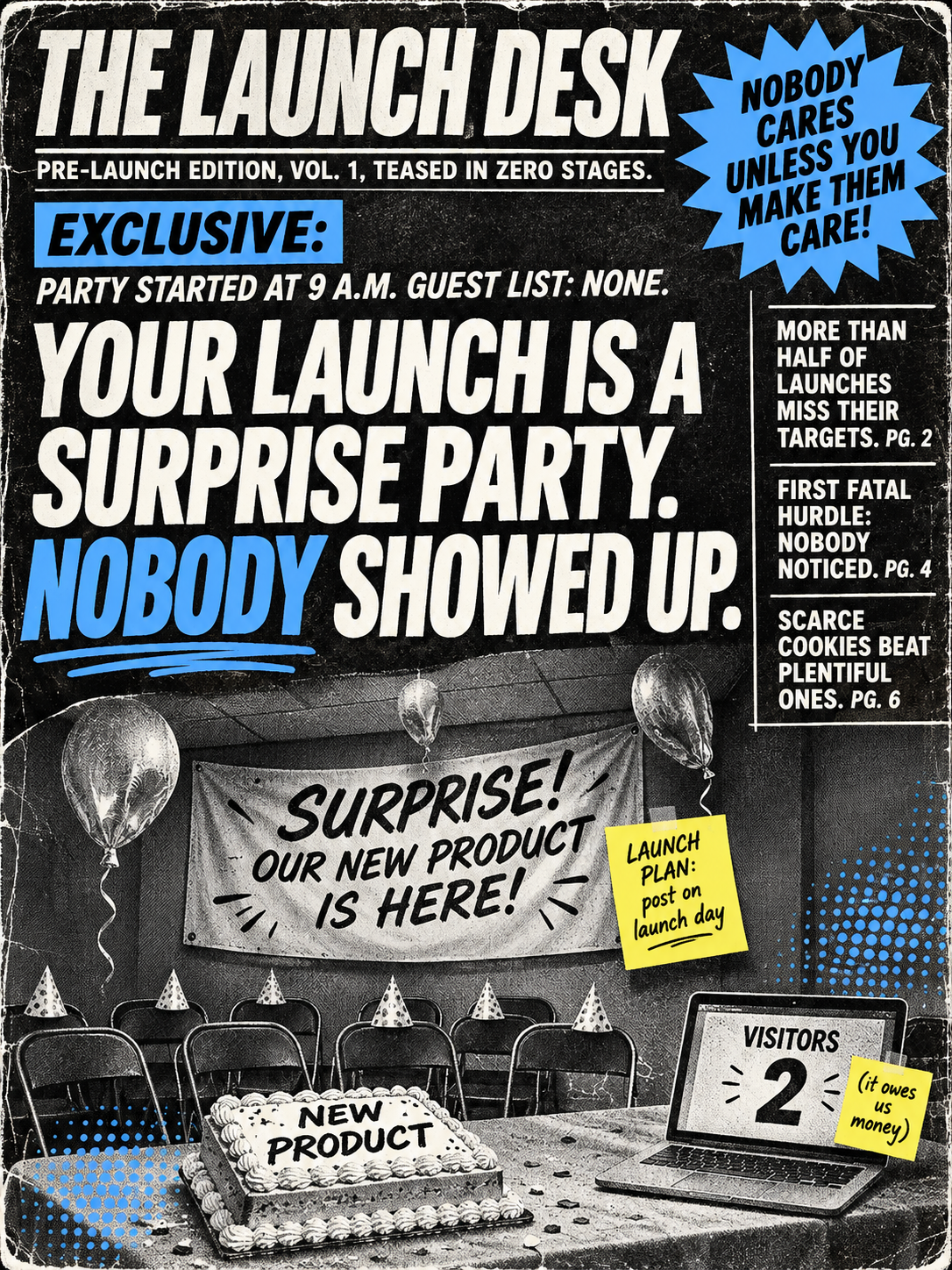
I used to sit in product launch meetings where the entire plan was:
"We'll post on launch day.
"That's it. That was the strategy.
One post. Maybe two if someone felt spicy. Then everyone stared at the analytics dashboard like it owed them money.
We really said this with a straight face.
Here's what I wish someone had screamed at me back then: most brands treat launches like surprise parties. Drop the product, cross your fingers, hope people show up. They won't. Nobody cares about your launch unless you make them care.
The brands that win start building brand awareness and curiosity way before the big reveal. By the time they launch, people are already waiting.
Why Most Product Launches Flop Before They Even Start
This triggered something in me when I read it. McKinsey research found that more than half of all product launches fail to hit their business targets. The capabilities that mattered most were team collaboration, using market insights, and rigorous launch planning.
Rigorous planning. Not "post and pray."
And the biggest reason launches flop isn't even the product. The Pragmatic Institute calls lack of interest the first, and often most fatal, hurdle: nobody notices. In other words, a brand awareness problem. (They also point out that the famous "95% of products fail" stat is hotly debated. Either way, the vibe is not great.) Think about the last product you saw go viral before it even hit shelves. That wasn't luck. Someone built that hunger on purpose.
Our founder put it bluntly:
"If you think a campaign starts on launch day, you're already behind. Before anything goes live, we put in the hard work, researching, analyzing competitors, and identifying what truly makes our clients stand out." He added, "Every campaign is built with strategy and purpose, designed for long-term success, not just a brief moment of attention." – Bryce North, Founder & CEO of Don't Be A Little Pitch
So yeah. If your launch plan fits on a sticky note, we need to talk.
Pre-Launch Marketing: How to Build Anticipation Before a Product Launch
People are nosy. Honestly? Use it.
Drop cryptic hints. Post blurred product shots. Share the behind-the-scenes chaos. Give people just enough to make them go "wait, what is this?"
Katie Breaker, the brilliant mind behind Birdieball, explained how she does it:
"We build anticipation by revealing details in stages. Social media teases small bits that get people asking questions. Emails go deeper into what makes the product special. Paid ads make sure new audiences find out about it at the right time. Each step gives people another reason to stay interested."
That's real pre-launch marketing. Layers. Not one big info dump.
Hard pill to swallow: posting "We're launching soon!" with zero intrigue does nothing. I've seen it. I've approved it. (I'm in therapy.) A good mystery makes people lean in, ask questions, and basically market your product for you. If people are talking about your launch before it happens, you're already winning.
How to Get Media Coverage Before Your Product Launch
The media doesn't care that another product exists. Sorry.
What they do care about: a rule-breaker. A brand filling a real gap. Something that changes how things are done. Your job is to show them why your story matters, and that's where your PR strategy comes in.
Find the right journalists, podcasters, and creators before you launch. Pitch them a sharp angle, not a generic press release that reads like a terms-and-conditions page. The right story turns your brand from "who?" into a conversation starter. (Working with a tiny budget? Here's how to make a press release for startups actually get noticed.)
And don't forget the real world. Josh Qian, COO and Co-Founder of Best Online Cabinets, shared his approach:
"We engage with local communities through partnerships with home improvement expos or workshops that can help spread the word. Attending these events allows us to connect with potential customers in person, share samples, and generate excitement around our brand." He added, "Combining these efforts will enable us to create a multi-faceted buzz that resonates with our audience and drives anticipation leading up to the launch."
Online buzz plus offline presence. Both. Every time. Need the bigger picture? Here's how to build a PR strategy that actually gets you coverage.
How to Build Brand Awareness and Community Before Launch Day
The most iconic brands don't just have customers. They have believers. People who feel like they're part of something before it even exists.
The secret sauce is exclusivity, status, and belonging.
Burak Özdemir, Founder of Online Alarm Kur, shared what worked for him:
"To get more people involved early, I gave a few users early access and asked them to invite friends. When people feel like they're part of something new, they naturally talk about it." He added, "Instead of relying on big promotions, I focused on conversations. By launch day, people were already talking about it, which made everything easier."
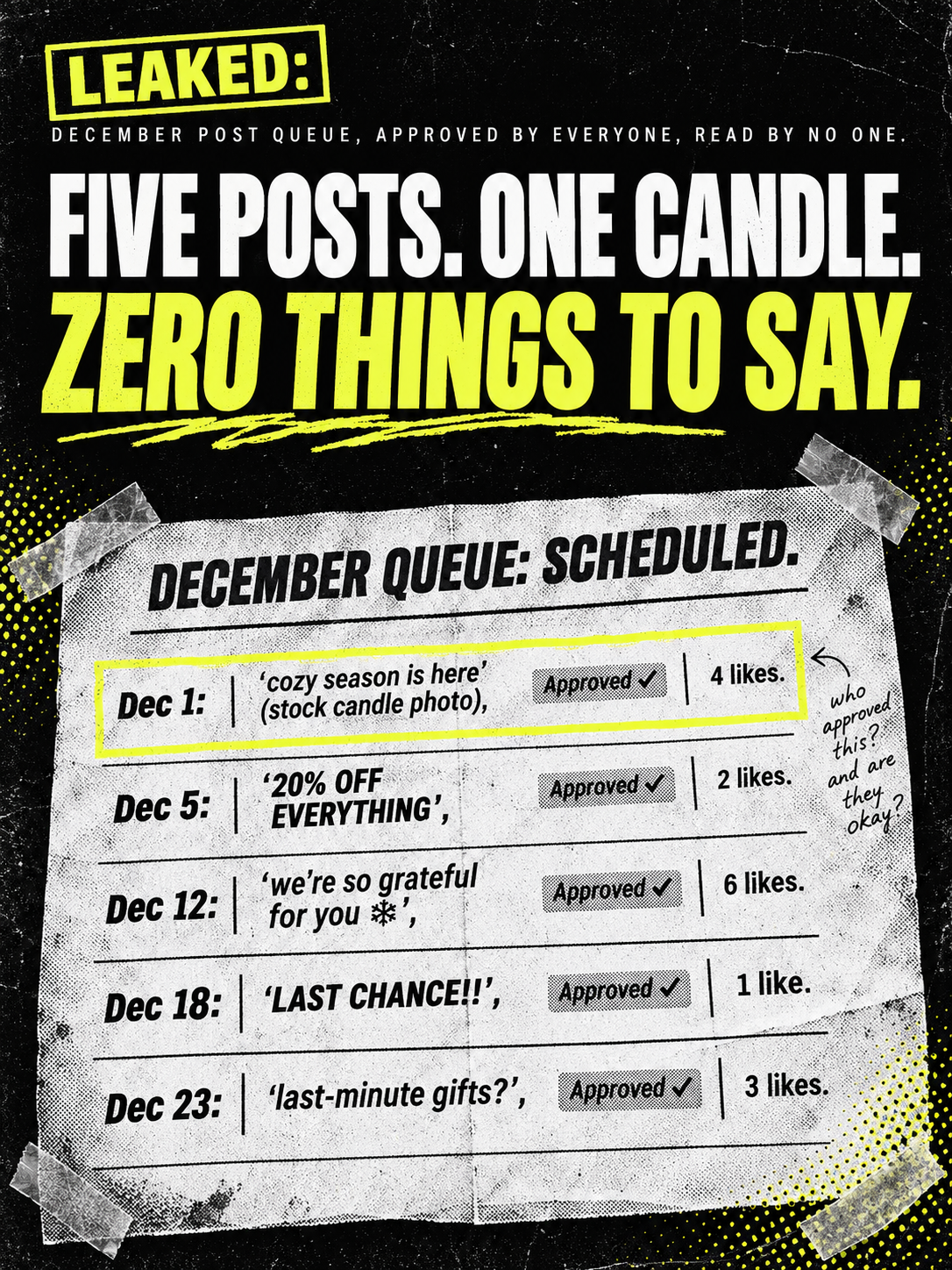
I used to sit in meetings where "community" meant adding a hashtag to the bottom of a post. Who approved that, and are they okay?
A real, engaged community is your most valuable asset. When your audience becomes ambassadors instead of just buyers, they spread brand awareness for you, and your product launch turns into a movement.
How Brand Collaborations Create Pre-Launch Buzz
Predictable partnerships are boring. Boring doesn't get attention.
The smartest brands team up with unexpected allies: brands that share their values but live in completely different industries. When two worlds collide, people stop scrolling.
Think cross-industry activations, limited-edition mashups, or out-of-left-field collabs that make people say "wait, those two?" Done right, a collaboration puts you in front of a whole new audience, boosts brand awareness fast, and gives everyone a reason to talk about you.
How to Use Exclusivity and Waitlists to Build Demand
By now people are curious and engaged. Now you push that into a full-blown obsession.
How? Scarcity.
People want what they can't have. It's human nature, and it's actually been studied. The British Psychological Society's The Psychologist describes Stephen Worchel's famous "cookie study," where scarce cookies were rated as more valuable than abundant ones. Even more interesting, cookies were valued more when supply shifted from plenty to scarce than when they were scarce all along.
Basically: make access feel like a privilege, not a given.
Limited drops, waitlists, and invite-only launches make people feel like they're getting in before everyone else. And when people feel special? They don't just buy. They brag.
Joe Troyer, Founder of Review Grower, has seen it work firsthand:
"We've found that offering early access to a select group of customers can generate exclusivity-driven buzz. This not only builds anticipation but also provides valuable user feedback before the full-scale launch."
Hype and free feedback. Love that for you.
How to Build a Brand Story That Outlasts Your Product Launch
Here's the realization I wish I'd had way earlier.
A great product launch isn't really about the product. It's about why it matters. The brands that last don't just push stuff. They tell stories people actually connect with.
Your goal isn't just to launch. It's to build something people remember, follow, and keep talking about after the hype dies down.
Hype Isn't an Accident. It's Engineered.
Every launch that "came out of nowhere" didn't come out of nowhere. Someone planned the teasers, pitched the press, built the community, and made people feel like they'd be missing out if they weren't there.
So stop treating your product launch like a surprise party. Start treating it like the main event.
Don't Be A Little Pitch builds launches people hear about long before anything hits the shelves. Got something big coming? Let's make sure people care.
FAQ
How do you create buzz before a product launch?
Start by teasing details in stages through social media, email, and ads. Reach out to journalists and creators with a strong story angle, build a community through early access or waitlists, and consider collaborations that introduce your brand to new audiences.
What is pre-launch marketing?
Pre-launch marketing is everything a brand does to build awareness and anticipation before a product is available. It can include teaser content, email waitlists, influencer outreach, media pitching, beta programs, and community building.
How do you build brand awareness before a product launch?
Share teaser content consistently, pitch your story to relevant media, partner with creators or complementary brands, and offer early access to build a community. The goal is for your target audience to recognize your brand before your product is available.
How do I get press coverage for a product launch?
Identify journalists, podcasters, and creators who cover your industry, then pitch them a clear, newsworthy angle before launch. Explain what makes your product different, offer samples or interviews, and provide assets like images and key facts.
What should a product launch strategy include?
A product launch strategy should include target audience research, clear positioning, key messaging, a pre-launch content plan, PR and influencer outreach, community building, launch day activities, and ways to measure results.
Why do most product launches fail?
Common reasons include low awareness, unclear positioning, poor market research, and weak planning. Many launches struggle simply because not enough people know about the product or understand why it matters.
60-Day Performance Guarantee
PR only works if it builds momentum fast. If we do not secure 2 meaningful earned media features and line up 3 additional opportunities within 60 days, you get a full refund.

Free Authority Score Checker
Check your online reputation and authority score for free and see how you stack up and get custom tips to improve instantly.