Press Release for Startups: How to Get Noticed Without a Big Budget

TLDR:
- A press release still works for startups when it's short, specific, and written for the journalist rather than the founder
- A PR agency can give you time and perspective back, but only if it's honest about what it can deliver
- A good PR strategy starts with a relevant angle, not a bigger announcement
- Startup PR is one of the few places a small company can compete with a large one on equal footing
- Relevance beats reach, and most startups confuse the two
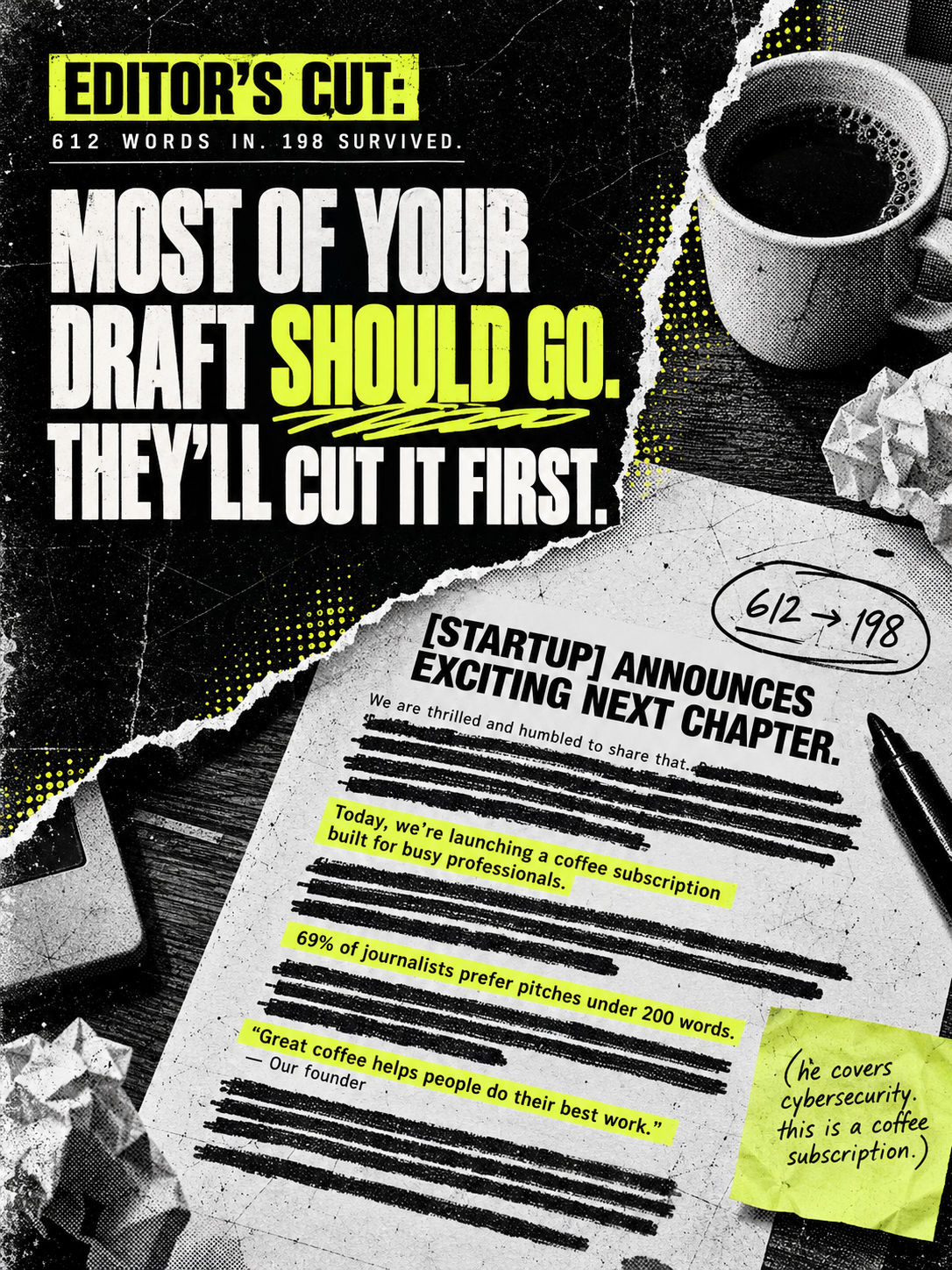
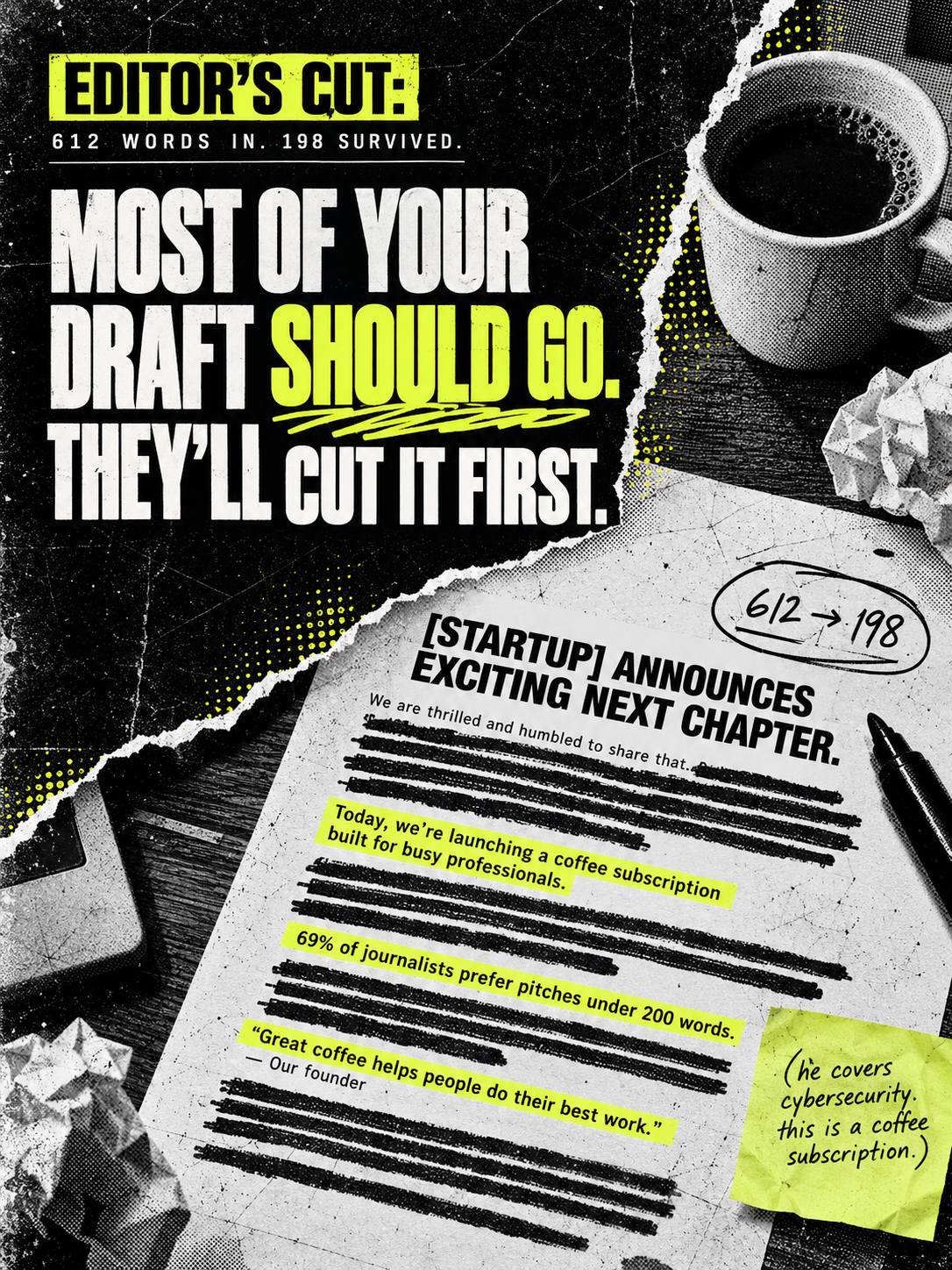
Interestingly, the startups that get noticed rarely have the biggest budgets. They have a clearer story, a more specific angle, and a press release written by someone who bothered to read what the journalist actually covers. It remains unclear why so many founders assume visibility is something you purchase, but the evidence suggests it's something you earn.
This is where startup PR comes in. Done well, it takes a small, unknown company and gives it a voice people trust. Done poorly, it's one more announcement nobody opens.
Why a Press Release Still Matters for Startups
Large corporations can pour money into marketing. A small company can't match that, and shouldn't try. What it can do is use a sharp PR strategy and a well-written press release to look credible next to bigger names, and to stand apart from larger companies that feel distant and inaccessible.
Journalists haven't given up on the format. According to Cision's State of the Media findings, as reported by PRSA, 72 percent of journalists say they prefer to receive press releases from PR professionals. Sources might interpret this as permission to send more of them. A more accurate reading is that the format is fine, and the execution is usually what fails.
The benefit goes beyond the announcement itself. Coverage tells customers, clients, and partners that someone independent thought you were worth mentioning. DigitalOcean's guide to PR for startups describes press coverage as word of mouth at a larger scale, and notes it can support everything from customer acquisition to hiring and investor attention.
How to Write a Press Release for a Startup That Gets Read
Resist the urge to say everything. A concise message stays compelling, and it keeps people from closing the tab before you've made your case.
Start with the subject line. Give the reader something that turns heads, whether that's something unique, something exciting to an outsider, or something mildly controversial. Then lead with the news and why it matters, in the way a journalist would write it.
Keep it short. Muck Rack's research found that 69 percent of journalists prefer pitches under 200 words, which is a polite way of saying most of your draft should go. If you're unsure what belongs in the package around the release, this breakdown of press releases, press kits, and media kits explains what to send and what gets deleted.
And follow up. Sometimes all it takes is showing that you're more than an automated email tool. Once is enough.
Build a PR Strategy Around One Relevant Angle
If you're doing this in-house, begin with your unique selling point and your attitude. Both are more useful than a budget.
Find unique, relevant angles for you and for anything you want to say. The goal is content people want to engage with, which is also what separates you from the many similar companies in your category. SeedLegals' list of startup PR mistakes is direct on this point: getting coverage is about relevance, not reach.
The numbers agree. In PR Daily's survey of more than 1,100 journalists, 79 percent said a lack of relevance is the single biggest reason they deny a pitch. Not subject lines. Not timing. Relevance.
Then build relationships with the people who shape attention in your industry:
- Journalists
- Contacts from other companies
- Social media influencers
- Community leaders in your target market
Each one offers a new route to potential customers, along with word of mouth and a direct line to the audience. The campaign appears to work best when the relationship comes first and the ask comes later.
Match your channels to your audience too. Social media, blogs, email, and advertising each have strengths and drawbacks, and it remains unclear why so many teams use all four without asking where their audience actually responds.
You can also tie a story to current events or widely shared holidays, but be careful. Saying the wrong thing about something people care about is worse than saying nothing. For a closer look at the broader game, read how to get media coverage for your business.
Is a PR Agency Worth It for a Startup? What a Good One Does
The blunt reality is that most founders don't have the time to run PR properly. The big publicity stunt is appealing, and also a reliable way to lose the attention the product needed.
A good PR agency gives that time back, and the right one can change your trajectory because it brings:
- Specialized knowledge. An agency in your field arrives with industry-specific expertise.
- Fresh perspective. They aren't you, so they can give unfiltered feedback on your ideas, favorable or not.
- Scalability. As you grow, they can keep pace without you hiring more people.
Just as important is what to check before you sign. According to Entrepreneur's guide to hiring a PR agency, you should ask for proof of real results, be wary of any firm that guarantees outcomes, and favor one that's transparent about its process and willing to share its work. Put plainly, look for an agency that:
- Is honest about its capabilities
- Communicates transparently
- Has low staff turnover
- Doesn't come with hidden fees
For the gap between what clients expect and what agencies deliver, read what to expect from a PR agency.
Start Your Startup PR Before Nobody Is Listening
Get involved in marketing before you find yourself talking loudly about your business to an empty room. Startup PR is a significant part of a growth strategy, and one that many overlook to their detriment.
Try the strategies above. If that sounds like more effort than you can spare, bring in a professional. Don't Be A Little Pitch offers expert help, starting with a consultation, and can show how a PR agency and a sharper PR strategy move a startup to its next level.
FAQ
How do you write a press release for a startup?
Lead with the news and why it matters, write it the way a journalist would, and keep it concise. Use a strong subject line, include relevant facts, and make it easy to find your contact details.
How long should a press release or pitch be?
Shorter is better. Most journalists say they prefer pitches under 200 words, and a concise message is less likely to be ignored.
Do journalists still read press releases?
Yes. Research from Cision reported by PRSA found that most journalists say they prefer to receive press releases from PR professionals. The format works when the news is relevant to the journalist's beat.
Is a PR agency worth it for a startup?
It can be, particularly if founders lack the time or industry knowledge to run PR themselves. The value depends on the agency being honest about what it can deliver, transparent about fees, and experienced in your field.
What should I look for in a PR agency for a startup?
Look for demonstrated results in your industry, honest communication, transparent pricing with no hidden fees, and low staff turnover. Be cautious of any firm that guarantees specific coverage.
Can a startup do its own PR strategy?
Yes. Start by defining your unique angle, identifying relevant journalists and outlets, and writing short, personalized pitches. Many founders do this in-house before hiring an agency.
How do startups get media coverage?
They pitch journalists whose beat matches their story, lead with a specific and newsworthy angle, build relationships before asking for anything, and follow up once. Relevance matters more than the size of the outlet.
60-Day Performance Guarantee
PR only works if it builds momentum fast. If we do not secure 2 meaningful earned media features and line up 3 additional opportunities within 60 days, you get a full refund.

Free Authority Score Checker
Check your online reputation and authority score for free and see how you stack up and get custom tips to improve instantly.