Reputation Management After Bad Press: How to Respond Without Making It Worse

TLDR:
- Reputation management in a crisis comes down to owning the story fast instead of hiding, spinning, or going quiet
- Good crisis communication is short and honest, and covers what you know, what you don't, and what you're fixing
- Bad press can build trust if the response is real, and the Johnson & Johnson case proves it
- Recovery means leaning on the people who stayed and listening to the ones who didn't
- Handling negative PR is easier with help, so get it before the panic posting starts
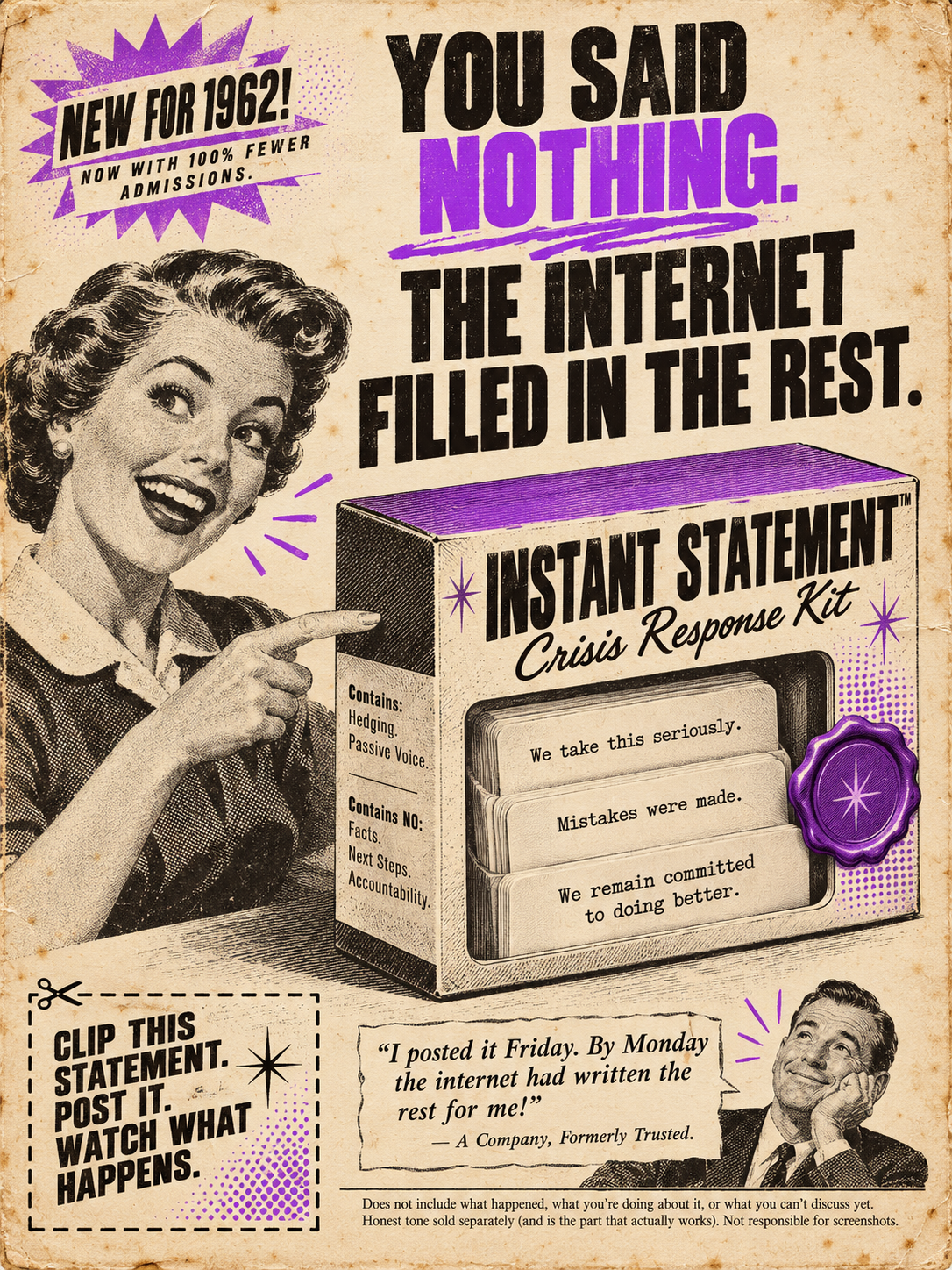
I used to sit in meetings like this. Someone's post is going around, legal wants a statement, and three executives are arguing about whether "we take this very seriously" counts as an apology. This triggered something in me, and I'm not even in those meetings anymore.
So let's talk about reputation management when it actually matters. Maybe you really messed up. Maybe someone is dragging you for sport. Either way, the internet doesn't wait for the facts. What matters is what you do right away, and whether the story gets told by you or by a stranger with a screenshot. That's crisis communication in one sentence.
Reputation Management in a Crisis: Own the Story Before It Owns You
First rule: take charge before this spirals. If you're not the one writing the story, somebody else is, and they won't be kind about it.
Be transparent about what happened, even if it wasn't entirely your fault. Acknowledge the issue directly, set the tone of the conversation you want to have, and don't take the bait from people who just want to drag it somewhere else. Take the high road and look like the adult in the room. Who approved the "no comment" strategy and are they okay?
Speed and place matter more than you'd think. In a Sprout Social survey of 2,250 social media users, 84 percent said how fast a brand responds directly affects how they view the crisis, and 64 percent said it matters that brands respond publicly on social media instead of hiding behind a press release or a website statement. Translation: the place where it blew up is the place you need to show up.
Also, "all publicity is good publicity" is a lie told by people who've never read their own comments. Bad press doesn't help you by default. It helps you when you handle it well.
Crisis Communication That Actually Works: Skip the Corporate Nonsense
Put out a clear, short statement about the core issue. No corporate fog, no "we regret any inconvenience." We really said this with a straight face, in actual press statements, and the public noticed every time.
Here's the order that works:
- Say what you understand about the situation, including the parts that make you look bad
- If you don't know all the facts yet, say that too, because pretending is worse
- Explain what you're doing to fix it, and if there's an investigation, be clear about how it works
- If you can't share something for privacy or legal reasons, say so up front, and people will be far more forgiving about what's missing
When it's ready, post it everywhere it needs to be. If you're on a platform with limited text, like X (formerly Twitter), use a branded image so your statement still looks like you. For more on why plain honesty beats polish, read why spin is costing you more than you know.
An apology can help too, when it's real. PRSA's guidance on crisis apologies notes that a genuine apology can go a long way in rebuilding trust with key stakeholders, because it shows you value the relationship. The keyword there is genuine. Nobody forgives a sentence a committee wrote.
Can Bad Press Help Your Brand? Yes, If You Respond Like Johnson & Johnson
A rough situation can show off your strengths. When criticism comes in, keep engaging with the people who still have your back and let them see how resilient your brand actually is.
Humor can defuse tension and make you look human, but it's risky. If your brand has never been funny, a joke in the middle of a crisis reads like you don't care. If you've already built a funny, self-aware voice, it's more likely to land. Know which brand you are before you reach for the meme.
For the extreme example, look at how Johnson & Johnson handled the Tylenol crisis, where capsules were laced with cyanide. According to Everything PR's case study, the company recalled roughly 31 million bottles, halted national advertising, worked directly with authorities, put its CEO in front of the cameras, and introduced tamper-evident packaging that became an industry standard. It treated safety as the problem first and the brand as the problem second. That's why people trusted it, and why it eventually reclaimed its spot as market leader.
Your crisis probably isn't cyanide. The same instinct still applies: fix the actual thing, show up in person, and let your values make the decisions.
How to Recover From Negative PR: Rebuild Your Reputation With the People Who Stayed
Once things simmer down, you can use the bigger audience you now have. Yes, you'll still have a few naysayers. If anything, they'll engage with your brand more, which boosts your visibility. If it fits your brand identity, you can even respond to them directly and reinforce your values while you do it.
Tell a comeback story. Unless a lawyer advises otherwise, share a series of updates about the steps you're taking. You may not be able to discuss specific individuals, but you can talk about your active attempts to fix what people raised. This is where a good negative media coverage strategy earns its keep.
Then rally the loyal customers. Ask them to leave reviews, share honest testimonials, and talk about you with their peers. Make sure they understand your values, and reward the people who stay with exclusive offers or content. In the Sprout research, about half of surveyed consumers said they'd consider buying from a brand again once its crisis was properly addressed, so those people are very much available to you.
And don't cut anyone off. Take in feedback from everybody who chooses to engage, good and bad, and use it to make real changes in your business and processes. If you use your followers' opinions to get better and you're upfront about it, you show you value your customers and can adapt. Done well, this can even turn people swayed by negative PR into advocates.
Don't Panic: Get Reputation Management Help Before Bad Press Takes Over
The most important thing is keeping your head. Don't let a crisis drag you down, and don't answer it while panicking.
If it all feels like too much, we don't blame you. It's overwhelming, and having someone in your corner can stop it from taking over your whole life. Once the dust settles, here's how to fix what Google says about you, because the search results will outlast the news cycle.
Don't Be A Little Pitch helps people in exactly this position. Let's crush that shitty PR into dust and get you owning the narrative before it owns you.
FAQ
What is reputation management?
Reputation management is the practice of shaping and protecting how people perceive a brand or person, especially online. In a crisis, it means responding honestly and quickly, then rebuilding trust through consistent action.
How do you handle negative PR?
Respond quickly, acknowledge the issue directly, and share a short statement that covers what you know, what you don't yet know, and what you're doing about it. Post it where the conversation is happening, and stay honest even when the facts don't flatter you.
What is crisis communication?
Crisis communication is how a brand communicates with its audience, the media, and employees when something threatens its reputation. It focuses on speed, honesty, and clear next steps rather than defensive messaging.
Should you respond to bad press or ignore it?
In most cases you should respond. Surveyed consumers say response speed shapes how they view a crisis, and silence tends to let other people fill in the story. Respond to the core issue, and skip the people who are only trying to pull the conversation somewhere else.
How do you recover from bad press?
Share updates on the steps you're taking to fix the problem, engage the customers who stayed loyal, encourage honest reviews and testimonials, and listen to feedback from everyone. Recovery is about showing the changes, not just announcing them.
Can bad press actually help a brand?
It can, but only if the response is honest and the problem gets fixed. Johnson & Johnson's handling of its Tylenol crisis is a well-known example of a brand building trust through a transparent, safety-first response.
Should a brand apologize publicly during a crisis?
When the brand is at fault or people were genuinely affected, a sincere apology can help rebuild trust with key stakeholders. It needs to be authentic and specific, and it should come with actions rather than just words.
60-Day Performance Guarantee
PR only works if it builds momentum fast. If we do not secure 2 meaningful earned media features and line up 3 additional opportunities within 60 days, you get a full refund.

Free Authority Score Checker
Check your online reputation and authority score for free and see how you stack up and get custom tips to improve instantly.