Brand Positioning Doesn't Take a Holiday, Even When You Do

TLDR:
- Every piece of holiday messaging a brand sends right now is quietly a brand positioning decision, whether anyone treats it that way or not
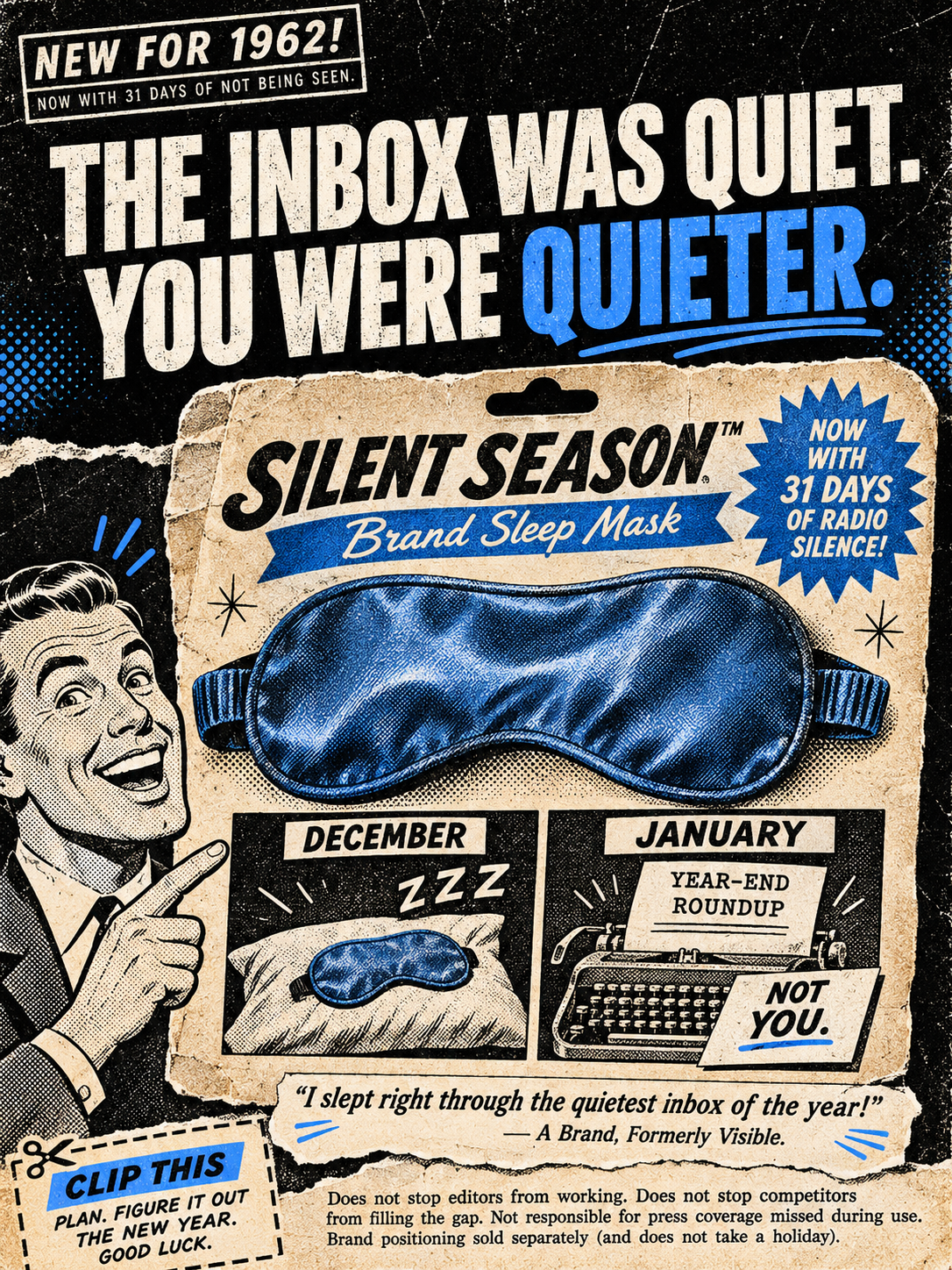
- Brands that go dark in December disappear right when trust is easiest to build
- Forced holiday copy, last-minute urgency, and promotion with zero substance are the same mistake in three outfits
- Brand trust compounds fastest exactly when everyone else stops trying
- December isn't slow, it's when real brand positioning actually gets built or quietly falls apart
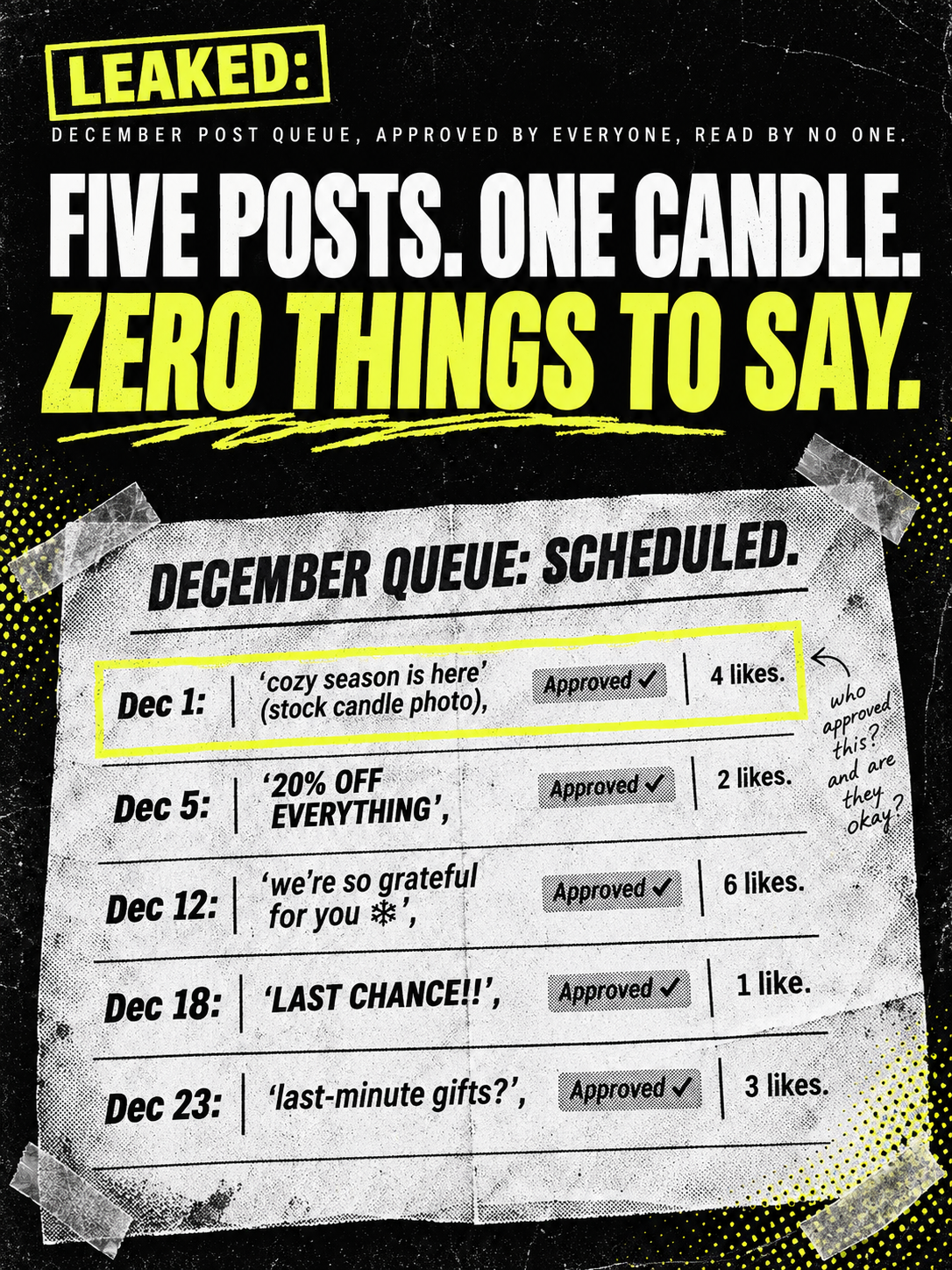
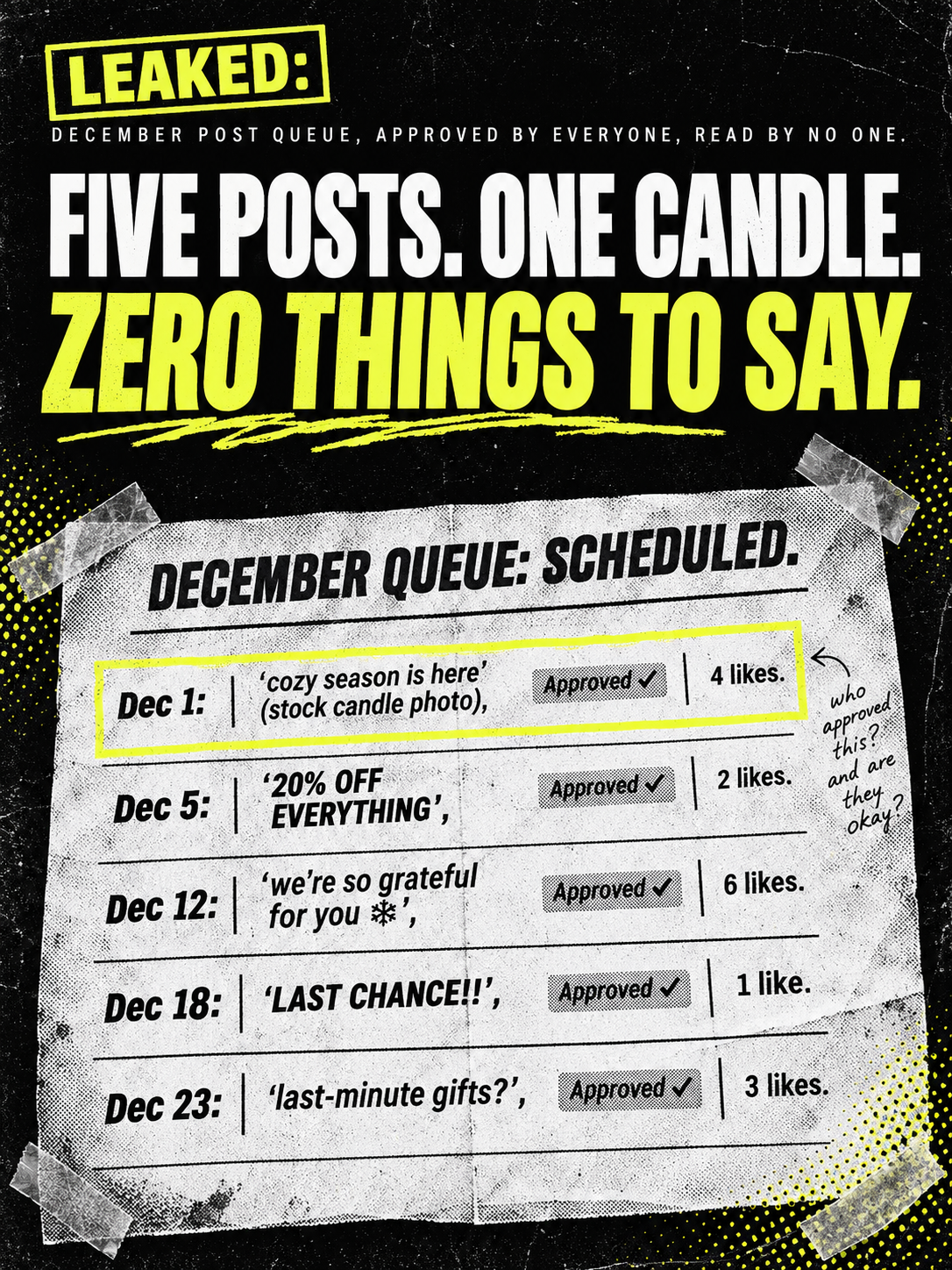
I used to sit in meetings like this. Someone pulls up the December content calendar and it's just... discount codes. Snowflake graphics. A carousel post that says "cozy season is here" over a stock photo of a candle nobody bought. And then everyone acts shocked when engagement drops, like the audience owed us attention for showing up with nothing to say.
This triggered something in me, honestly. Every single piece of holiday messaging a brand puts out is a brand positioning decision, even the lazy ones, especially the lazy ones. Audiences aren't gone in December. They're just done clicking on anything that smells like forced cheer, and what a brand chooses to say instead is doing more work than most teams realize.
Brand Positioning Doesn't Take a Holiday Just Because You Did
Here's the part that actually clicked for me. Media coverage shifts toward reflection and outlooks this time of year, hard selling underperforms, and insight quietly starts doing the heavy lifting instead. Which means the brands going quiet right now aren't just missing a sales window, they're letting their brand positioning go undefended at the exact moment it's cheapest to build.
We really said this with a straight face in a planning meeting once: "people just aren't buying in December." Two thirds of consumers report holiday marketing fatigue by early November, and by December, 81 percent say they feel outright overwhelmed by brand messaging, according to holiday marketing research covered by the US Chamber of Commerce.
People aren't disengaged. They're exhausted by the same five brands screaming the same five things, which leaves a very clear opening for the ones willing to say something real.
Why Holiday Messaging Feels Slow (It's Not, Everyone's Just Annoying)
Who approved the version of holiday messaging where every brand says "we're so grateful for you" in the exact same font over the exact same twinkle-light background? And are they okay?
Generic seasonal language actively weakens credibility instead of building it, since it tries to say everything and ends up saying nothing specific at all, according to brand experience research from CustomerThink. Customers don't need a perfect holiday copy. They need honesty, which is apparently the one thing most December marketing skips entirely in favor of a snowflake emoji.
If your messaging is still leaning on spin instead of saying anything real, this piece on why radical honesty beats spin in PR is basically the extended version of this exact point.
How to Avoid Holiday Marketing Fatigue Without Going Silent
There's a difference between pulling back on forced promotion and going completely dark, and most brands can't seem to find it. 43 percent of consumers actually want more messages from brands they already trust, they're just done hearing from the ones they don't, according to the same US Chamber holiday marketing data. The fatigue isn't about volume. It's about relevance.
Journalists haven't gone anywhere either. They've just moved on to year-end analysis and forward-looking commentary, which creates real space for a brand willing to show up with something worth reading instead of another "shop now" push, according to PR strategy research from PR News Online.
How to Build Brand Trust When Everyone Else Is Shouting Buy Now
Brand trust doesn't compound during the loud months. It compounds during the quiet ones, when a brand chooses clarity over urgency and actually means it. Year-end analysis, honest positioning, and a little restraint do more for a brand's credibility right now than any last-minute discount code ever will.
If you've ever wondered whether the campaigns you did run actually built anything lasting, this breakdown on why brand trust matters more than reach in PR is the exact gut check worth running before the next messaging meeting.
The Bottom Line on Brand Positioning, Since Someone Had to Say It
December isn't slow. It's strategic, whether a brand treats it that way or not. Every message sent or skipped right now is quietly shaping brand positioning for whatever comes next, and the brands still shouting into a fatigued inbox are the ones who'll wonder later why nothing landed.
Don't Be A Little Pitch exists because most brands can spot forced holiday cheer from a mile away in everyone else's marketing and somehow still run it themselves. If that sounds a little too familiar, that's usually the actual thing worth fixing.
FAQ
How does holiday messaging affect brand positioning?
Holiday messaging is a direct reflection of a brand's positioning, since the tone, honesty, and specificity of seasonal communication shapes how a brand is perceived well beyond the holidays themselves.
Why does holiday messaging feel slow this time of year?
It often feels slow because engagement drops on forced promotional messaging, not because audiences disengage entirely. Media and consumer attention shifts toward reflection and year-end content, which rewards clarity over hard selling.
What is holiday marketing fatigue?
Holiday marketing fatigue refers to the exhaustion consumers feel from repetitive, high-volume promotional messaging during the holiday season, which can lead to lower engagement and higher unsubscribe rates.
How can brands build trust during the holiday season?
Brands build trust during the holidays through honest, specific messaging and thoughtful year-end content rather than generic seasonal language or forced urgency, since consumers respond better to relevance than volume.
What should brands avoid doing with holiday messaging?
Brands should avoid forced holiday copy, last-minute urgency tactics, and promotions that offer no real value, since these tend to underperform compared to clear, trust-focused communication.
60-Day Performance Guarantee
PR only works if it builds momentum fast. If we do not secure 2 meaningful earned media features and line up 3 additional opportunities within 60 days, you get a full refund.

Free Authority Score Checker
Check your online reputation and authority score for free and see how you stack up and get custom tips to improve instantly.