How to Build a PR Strategy That Actually Gets You Coverage

TLDR:
- Most brands treat PR like a press release factory. That is not a PR strategy. That is expensive noise.
- A real strategy is built on a story people actually want to hear not one you are forcing on them.
- PR narrative is what gets you into Forbes. Polished fluff is what gets you ignored.
- Earned media follows the story. The story has to exist first.
- Read this if you are tired of being invisible and ready to stop waiting for permission to do something about it.

Most brands think a PR strategy starts with a pitch. It does not. It starts with a story worth telling and the two are not the same thing. One is a tactic. The other is the reason the tactic works.
This is the part most agencies skip explaining, because it is harder to sell than a retainer and messier than a press release template. But it is the only part that actually determines whether you end up in the publications your audience respects or in someone's deleted folder.
How Founder-Led PR Builds Real Media Coverage
Most founders think PR means firing off a press release and crossing their fingers. It does not work like that. Founder PR is about owning your PR narrative before someone else writes it for you and if you leave that gap open, someone will fill it.
Have you ever felt like you were on top of the world, only to realize you were climbing the wrong mountain? That was me.
I co-founded TrapTap, an IoT device that hit a million dollars in sales across 20 countries, landed features in TechCrunch and Popular Mechanics, and secured a deal on Dragons' Den. On paper, a complete win. Under the surface, I was running on fumes and disconnected from everything that actually excited me. The product was performing. I was not.
The thing that lit me up was never the device. It was how we got people to care about it. The storytelling. The media angles. The PR strategy that made journalists put down their coffee and actually pick up the phone. That was the part I could not shut up about. So I made the call that made everyone around me visibly nervous: I walked away from the startup world and built Don't Be A Little Pitch a PR agency built on one thing: stories that earn attention instead of begging for it.
When TrapTap took off, it was not because the product was objectively better than everything else on the market. It was because the story behind it was specific, human, and hard to ignore. People bought into the "why" long before they cared about the "what." That buy-in is what earns media coverage in outlets that actually move the needle.
The founders who figure this out stop pitching features and start pitching meaning. They stop chasing journalists and start handing journalists something worth writing about. There is a massive gap between those two approaches, and most brands fall straight into it without noticing. Knowing whether your current PR efforts are actually working is the first question worth asking and the answer is usually not what you expect.
Why Most PR Strategies Fail Before the First Pitch Goes Out
Most PR fails because it is designed to look busy, not to produce anything real.
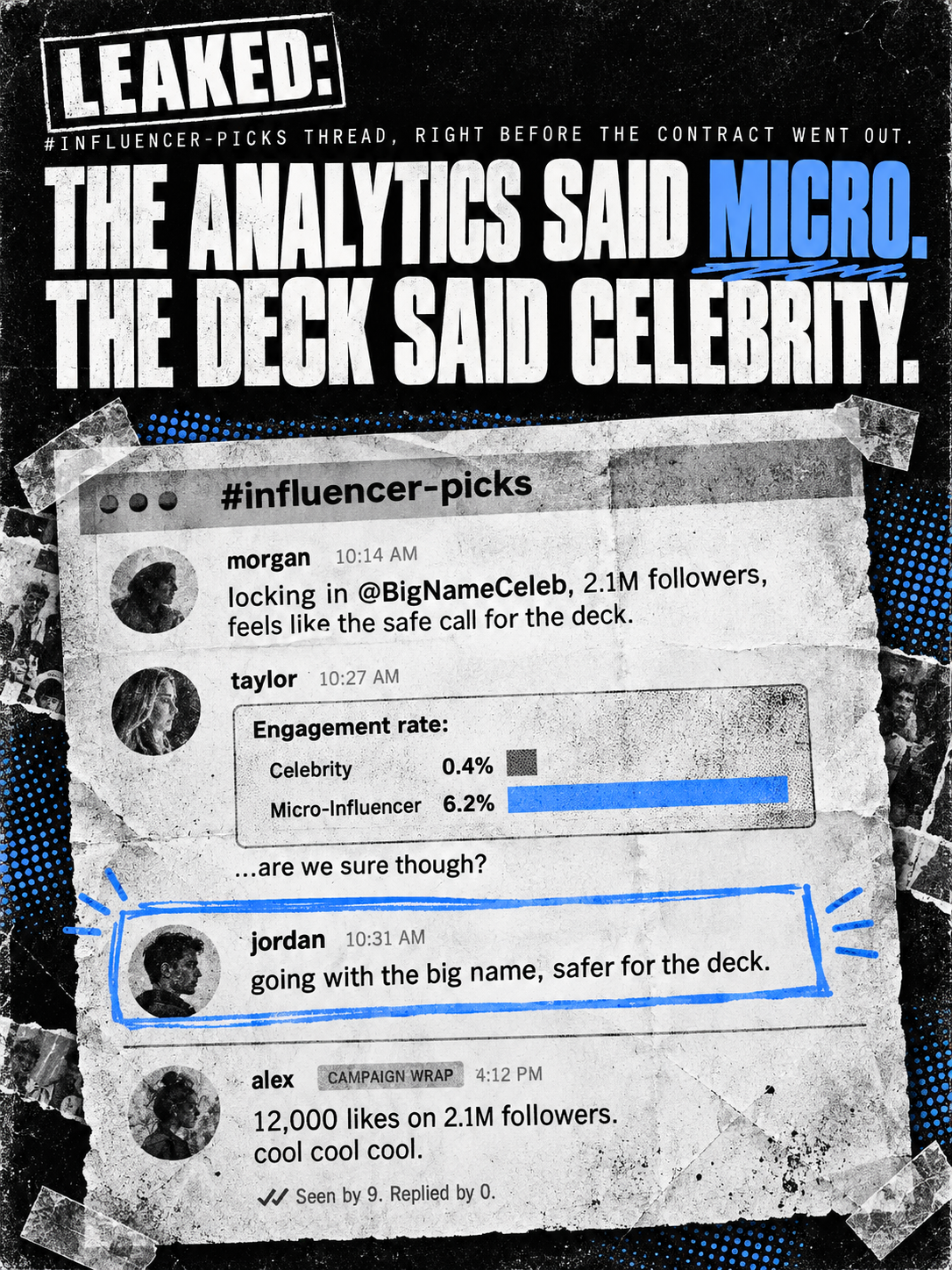
Brands dump money into press releases written by committee, pitch templates recycled from three clients ago, and retainers that generate monthly reports full of "outreach activity" but zero placements that matter. They measure success in volume, but their audiences measure success in trust. Those are not the same thing.
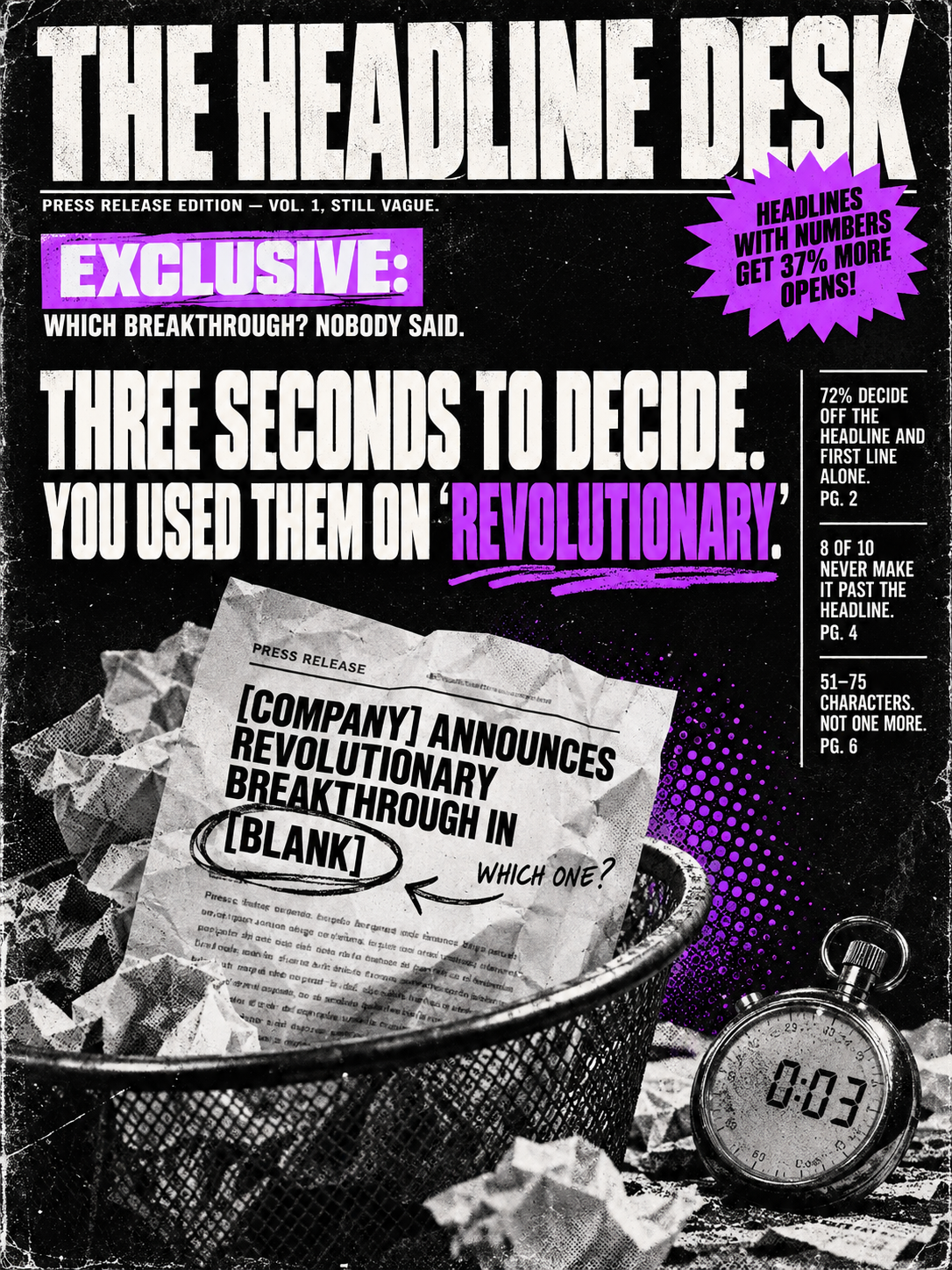
According to Muck Rack, nearly half of all journalists seldom or never respond to pitches, and close to three quarters reject them simply because the pitch does not match their coverage area. Nearly half receive six or more pitches every single workday. More outreach is not the fix. A better story is.
A real PR strategy reframes the whole question. Instead of "how do we get coverage," the question becomes "what story do we have that a journalist would actually want to tell?" That one shift changes who you pitch, what you lead with, and which rooms you end up in.
Getting into Forbes, Inc, or TechCrunch is not about having the biggest budget or the most impressive deck. It is about having a story clear enough to stand on its own. That clarity is a choice, not a circumstance. It is the result of a deliberate personal branding strategy built before anyone ever sends a pitch.
How to Use Your Origin Story as a PR Narrative That Journalists Actually Want
Switching industries is terrifying. I know because I did it, and I had people in my corner who thought I was making a serious mistake. But the pivot itself was not the problem, and the story around it was the asset. Here is what actually made it work, and what applies to any founder building their PR narrative from scratch:
Use what you already have. The skills that helped scale TrapTap building hype, earning media coverage, crafting a brand people talked about did not disappear when I changed direction. They found a better home. Stop treating your past like a liability. It is your sharpest asset.
Reframe, don't restart. A pivot is not starting from zero. It is showing a new audience the version of you that already exists but has not been properly introduced yet. Every founder has a story. The pivot itself is usually the most interesting part of it.
Build your room carefully. The people you bring along either accelerate the mission or quietly drain it. You will not always know which is which at first, but you will figure it out faster than you expect.
Go before you have all the answers. If I had waited until everything was sorted, I would still be sitting on that idea. The plan never survives contact with reality anyway. You start, you adjust, you go again.
If you are holding a pivot idea and waiting for the perfect window, that window is not coming. Stop waiting for permission you don't need.
The Personal Branding Moves That Built a Credible PR Agency From Scratch
When I left the startup world, there were stretches where I genuinely did not know if the call I had made was the right one. Every rough patch taught me something that no course, no mentor, and no business book had managed to land.
Three things shifted everything:
Authenticity is not a marketing angle it is table stakes. Audiences have gotten sharp. PR that feels manufactured gets ignored before it even registers. The brands that build real trust are the ones that show up honest, even when honest is uncomfortable. Especially then.
Resilience is the actual competitive advantage. Every rejection, dead-end pitch, and slow stretch either sharpens you or finishes you. The founders who build things that last are not the ones who avoid setbacks. They are the ones who don't quit when the setbacks hit.
Your network is not a vanity metric. The mentors, collaborators, and partners you choose early compound over time in ways that paid ads never will. Those relationships show up in your results long after the initial investment.
The thing I would change? The months I spent second-guessing a decision I had already made. There is no perfect plan. There is execution and there is iteration. That is it. The PR trends shifting how founders are building visibility right now are worth understanding before you send another pitch.
What a Real PR Strategy Looks Like When It Is Actually Working
Don't Be A Little Pitch exists because most PR agencies are, honestly, boring in a way that actively hurts their clients. Generic pitches, invisible results, monthly reports that substitute activity for outcomes.
The story comes first. The pitch comes second. We work with founders, coaches, executives, and personal branding-focused clients who are done being the best-kept secret in their space and ready to show up in the publications their audiences actually respect.
If you have ever wondered how to pitch journalists in a way that actually gets a response, the answer starts long before you write the email. It starts with knowing what makes your story worth telling in the first place.
A great story will always outpunch a great ad budget. That is not a trend. That is just how earned media has always worked.
If you are building something real and struggling to get the world to notice, the problem is almost never the product. It is the story around the product.
Figure out what your PR narrative is missing. Don't Be A Little Pitch will tell you straight, no fluff.
FAQ
What is a PR strategy and why do founders actually need one?
A PR strategy is the plan for how your brand earns media attention, builds credibility, and controls its own narrative. Without one, someone else writes your story and they usually get it wrong. Visibility without strategy is expensive noise.
How do I get media coverage as a startup founder with no connections?
Stop pitching your product. Journalists are not shopping for announcements. They are looking for stories with a real point of view, a compelling origin, or a take on something their readers genuinely care about. Lead with that. Media coverage follows the story, not the other way around.
What is a PR narrative and why does it matter more than a press release?
A PR narrative is the through-line that makes your brand's story coherent, specific, and worth a journalist's time. A press release is a formatted announcement. One produces features. The other produces deletes. Traditional PR leads with the brand and hopes the journalist finds it interesting. Story-first PR leads with something the journalist already wants to tell and makes the brand part of it.
Can I do my own PR as a founder without hiring an agency?
Yes, and some founders do it well. You need to understand what makes a story pitchable, how to build real relationships with journalists, and how to position your brand with enough specificity that it stands out in an inbox that gets hundreds of pitches a day. If you have that bandwidth, go for it. If you don't, work with people who do.
How do I know if my brand story is strong enough to earn press coverage?
If you can explain what makes your brand different in one sentence and it does not sound like every other brand in your space, you are getting close. If your answer sounds like a mission statement or a LinkedIn headline, there is more work to do. Fix the story before you send a single pitch.

60-Day Performance Guarantee
PR only works if it builds momentum fast. If we do not secure 2 meaningful earned media features and line up 3 additional opportunities within 60 days, you get a full refund.

Free Authority Score Checker
Check your online reputation and authority score for free and see how you stack up and get custom tips to improve instantly.




.png)