PR Trends in 2026: The Industry Is Lying to You and Has Been for Years

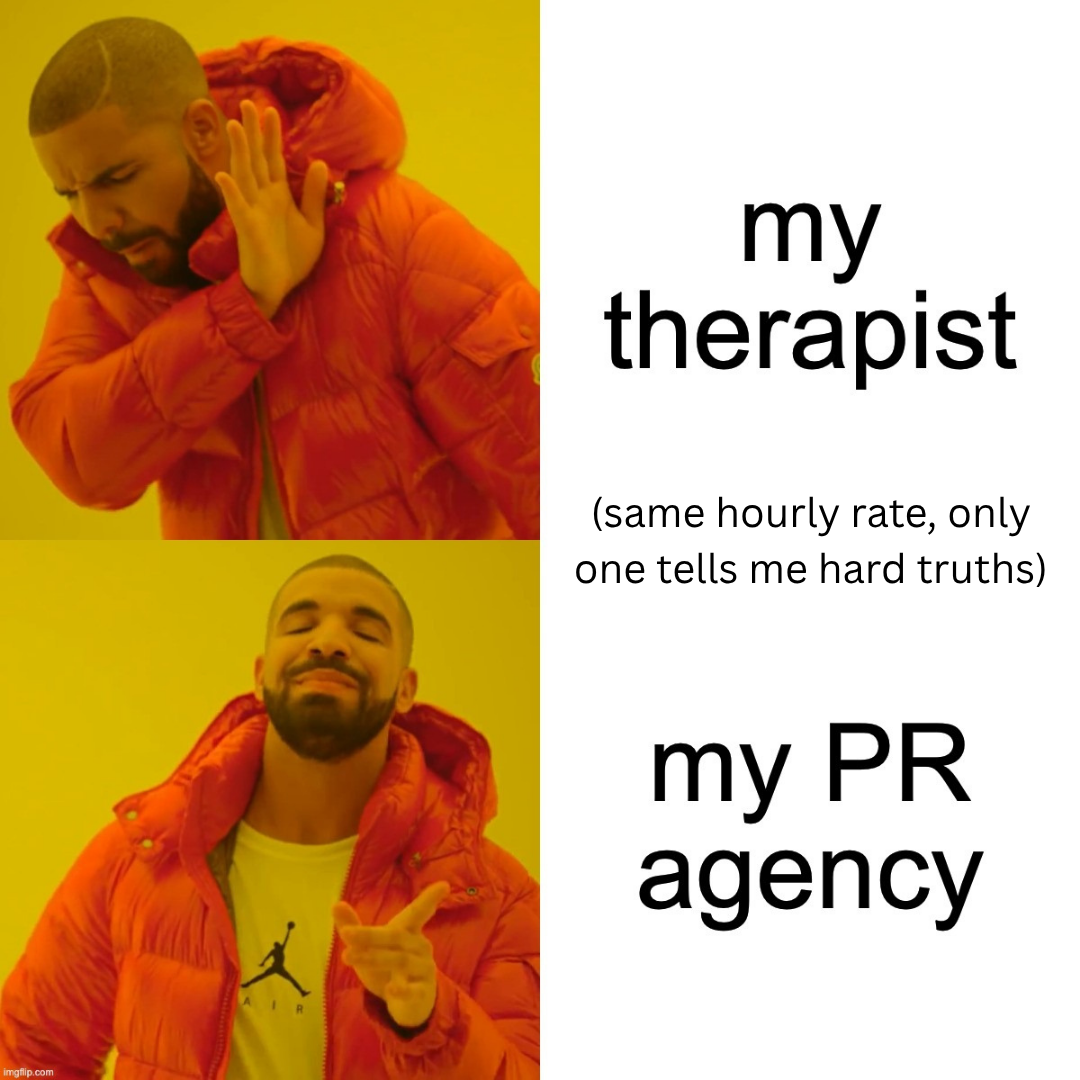
A founder wired $25,000 to a PR agency. The campaign ended. One quote. Buried in a newsletter with 400 subscribers. The agency sent a victory slide deck. WITH PIE CHARTS. The founder celebrated on LinkedIn. Zero needles moved.
This is what bad PR trends look like in practice. And in 2026, it is not a cautionary tale. It is Tuesday. It is every Tuesday. It is the whole industry. If your PR strategy still looks like this, keep reading.
PR Trends in 2026: The Journalist Inbox Is a Crime Scene
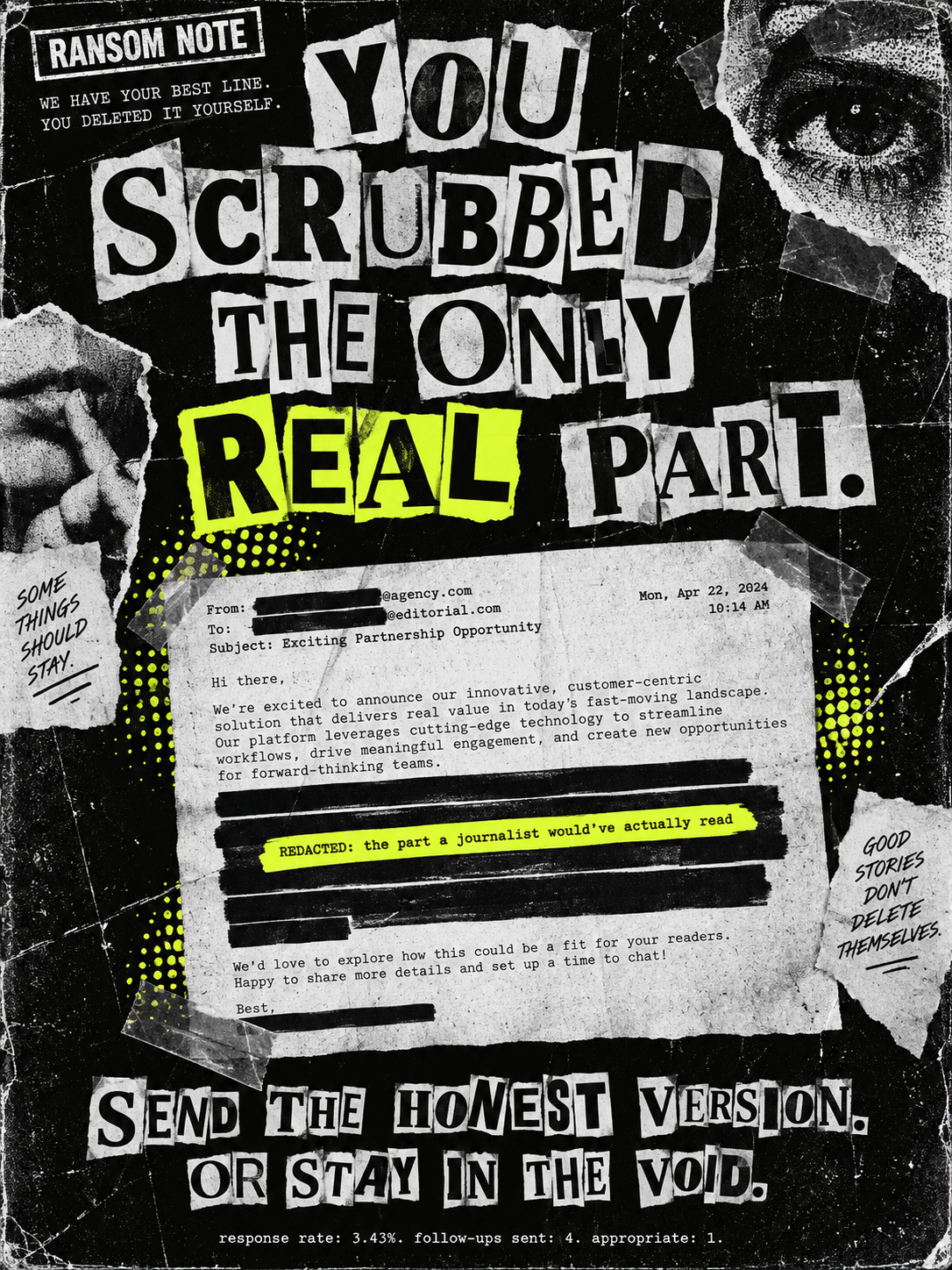
Reporters are getting 300+ pitches per day. A significant chunk are AI-generated and they are IDENTICAL.
Every founder is a "visionary." Every product is "revolutionary." Every pitch ends with "It’s not x, it’s y.”
Journalists have developed pitch blindness. Delete, delete, block, delete. Studies show journalists respond to just 3% of pitches they receive, and nearly half say they seldom or never get pitches relevant to what they actually cover.
The agencies still measuring success by monthly pitch volume are doing more than wasting your money. They are actively getting you blacklisted by the exact reporters you want to reach.
You are paying someone to make your situation worse. Sit with that.
The volume game is dead. We are standing over the corpse and the PR industry is still charging you for it.
What Do Journalists Actually Want From a PR Pitch in 2026?
A real story. Specific data, a counterintuitive take, a named human who experienced something interesting. Short. From someone they have heard of, or someone who clearly did the work of being a real person before showing up with an ask.
That is it.
Agencies will bill you $15,000 a month to deliver this insight inside a document that uses the phrase "earned media ecosystem" forty times.
Your Founder Talking Honestly Is Worth More Than Your Entire Retainer
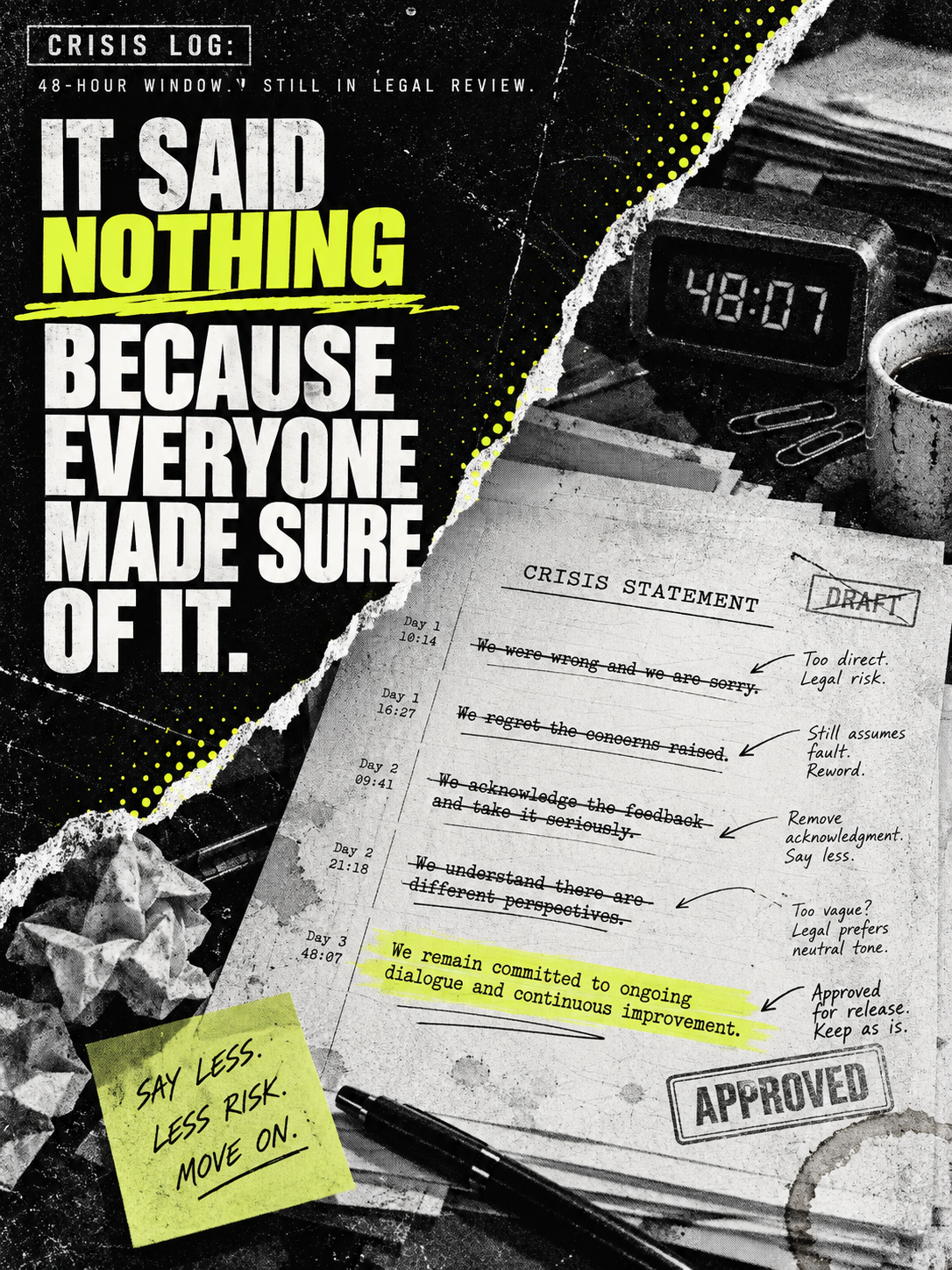
The single most powerful PR asset you have in 2026 is a founder willing to say something real without it passing through three rounds of legal first.
Not polished. Not "on-brand." A founder with opinions, who has made mistakes, who can say "here is what I got wrong" in a 47-second video filmed in a parking lot.
That video will outperform your six-week-approved press release. Every time. No exceptions.
The Founder-Led PR Strategy
You do not need a media coach. You need something you actually believe and the willingness to say it consistently. A weekly LinkedIn post. A handful of podcasts. An email newsletter that sounds like a human wrote it.
This is founder-led PR and it works because it is RARE. Most companies are hiding their founders behind carefully managed blandness because someone decided being interesting was a liability. Those companies are losing ground to founders who just... talk. Like people.
That is the strategy, and it’s working right now.
PR Exposure vs Brand Trust: Exposure Is Not Credibility and You’re Confusing Them
The Forbes logo. The TechCrunch mention. The screenshot with the fire emoji.
Exposure without credibility is a sugar hit. It looks incredible in a quarterly deck. It does almost nothing for long-term brand value.
I watched a brand rack up 40 placements in a month and then lose significant customer trust when one bad review thread surfaced. All that coverage provided ZERO protection. Did it give credibility? No. It was just noise with their name in it.
Credibility is what determines whether people give you the benefit of the doubt when something goes sideways. And something always eventually goes sideways. The question is whether you built enough trust to survive it.
You can’t buy trust in a campaign. You build it slowly and it saves you later.
How to Fix Your PR Strategy in 2026 (Without firing everyone)
Stop measuring PR by placement count. Measure whether you are building something that survives a bad news cycle.
Make your founder the primary voice. Every founder who speaks honestly is more interesting than any polished brand account following a content calendar.
Invest in fewer media relationships, not more pitches. One journalist who genuinely trusts you is worth more than 200 cold outreach attempts a month. It is just how media works.
Build credibility before you need it. The worst time to start is during a crisis. That is too late. You needed to start six months ago. The second best time is now.
Audit your pitch volume. If your agency leads with pitches sent as a KPI, that is not a selling point. It is evidence they are optimizing for activity instead of outcomes.
Final thoughts about PR Trends (Before this gets me blacklisted)
Your AI-generated press releases are not helping you. Your thought leadership series that reads identically to every other thought leadership series is not helping you. Your quarterly coverage deck is not helping you.
The game changed. Most PR people just have not told their clients yet.
Do fewer things. Say more honest things. Play a longer game.
You're welcome.
(Now go audit your retainer or at least make them earn it for once.)
If this post challenged how you think about your PR strategy, the next step is auditing if what your current approach is actually building exposure, or authority. The difference will determine how 2026 goes for your brand.
Frequently Asked Questions
What are the biggest PR trends in 2026? The most significant PR trends 2026 include the rise of founder-led PR, the decline of volume-based media pitching, and a major shift from exposure-focused PR to credibility and brand trust. Brands that adapt to these changes are seeing stronger long-term results than those relying on traditional placement strategies.
What is founder-led PR and why does it work? Founder-led PR is the practice of making a company's founder the primary public voice of the brand rather than relying on polished agency messaging. It works because audiences and journalists respond more strongly to authentic, direct communication than to corporate-sounding content that has been heavily managed or "optimized."
How is AI changing media relations and PR pitching? AI in PR has dramatically increased the volume of pitches journalists receive, leading most to be more selective and to block or ignore outreach that feels templated or generic. The result is that relationships, specificity, and genuine newsworthiness matter more now than at any prior point in the modern media cycle.
What is the difference between PR authority and PR exposure? PR exposure means being seen getting your brand name in publications and media. PR authority means being believed and trusted when it counts. Exposure without credibility provides limited long-term value and offers no protection when a brand faces negative attention. Authority, built through consistent and honest communication, compounds over time.
How do you build brand trust through PR? Brand trust PR is built through consistent, accurate communication; a visible and authentic founder or leadership voice; honest handling of mistakes or bad news; and a long-term commitment to communicating in ways audiences can verify. It is less about placement frequency and more about what you say and how you say it over time.


60-Day Performance Guarantee
PR only works if it builds momentum fast. If we do not secure 2 meaningful earned media features and line up 3 additional opportunities within 60 days, you get a full refund.

Free Authority Score Checker
Check your online reputation and authority score for free and see how you stack up and get custom tips to improve instantly.




.png)