Media Pitch Mistakes That Are Quietly Ending Your PR Career

TLDR:
- Journalists are not ghosting you. They are deleting you. Different things.
- Your press release is not the problem. The fact that you wrote it like a tax form is.
- Going quiet after a bad headline is not letting it die down. That is feeding it.
- Your brand voice sounds like the seven competitors on your own pitch deck. Read into that.
- A crisis is graded on speed. Your panic does not count as a response.
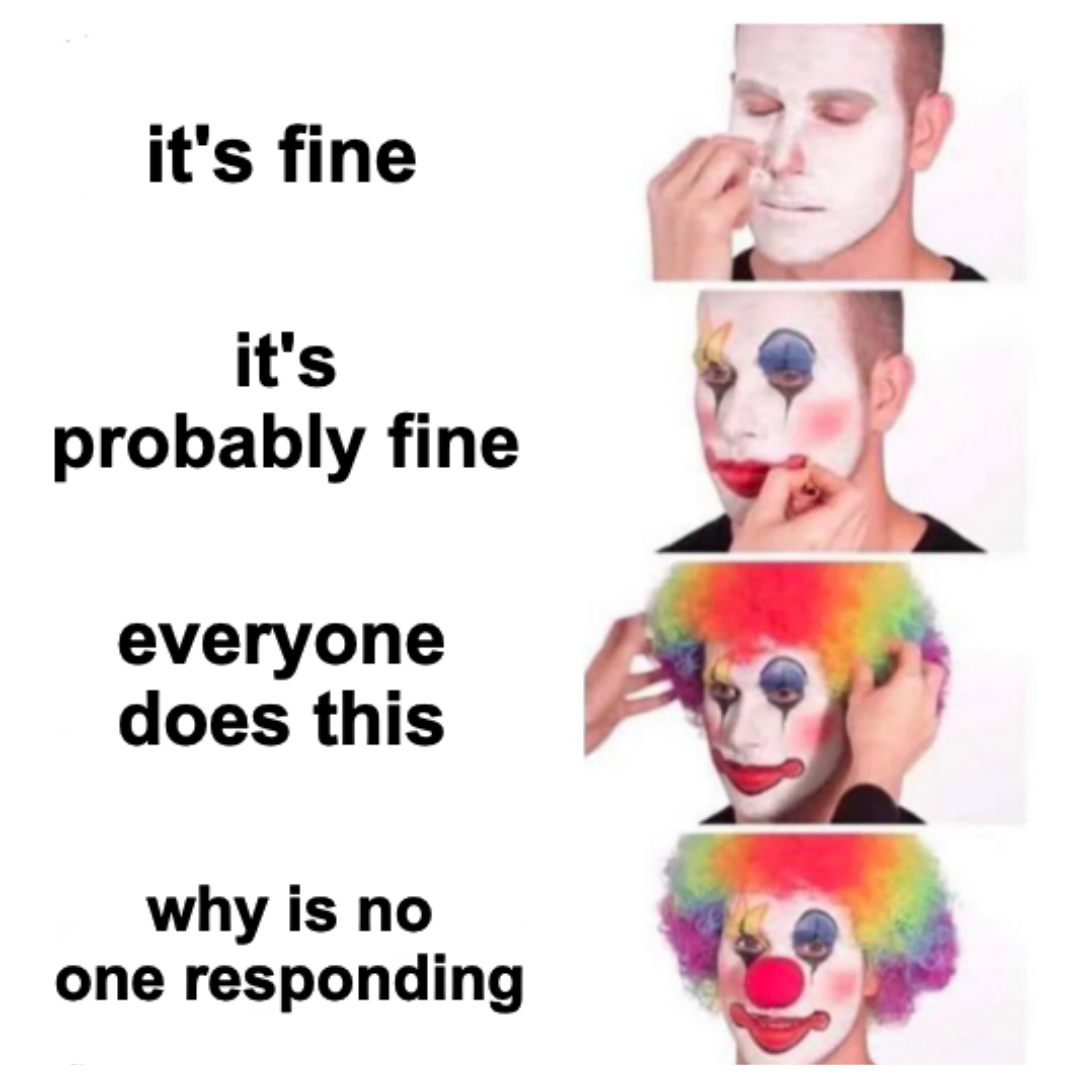
Wait. You actually thought "Hope this finds you well" was going to do it for you? The five media pitch mistakes I am about to walk through are not new discoveries. They are not nuanced industry secrets. They are the same five things every halfway competent PR professional has been documenting in plain English for years, and somehow brands keep treating them like a surprise ending. I am actually embarrassed for you. Let me explain very slowly.
Why Journalists Don't Respond to Pitches
Per Muck Rack's 2026 State of Journalism report, 49% of journalists seldom or never respond to pitches. Half. And nearly three in four reject a media pitch because the topic does not match their beat.
Did we think this through, or...?
You sent a 600-word email about your skincare brand to a reporter who covers commercial real estate. That is not ghosting. That is a journalist using the delete key correctly. The media pitch mistakes here have been documented with percentages for years. 91% of journalists prefer pitches under 200 words. Subject lines of one to five words outperform longer ones consistently. Pitches sent Monday or Tuesday between 5am and noon Eastern get better response rates than anything sent Thursday afternoon. None of this is hidden. It is in every industry report that anyone bothered to read.
The fix is not sending more emails. The fix is sending one good one. Stop opening with "Hope this finds you well." It does not find them well. It finds them annoyed with four hundred other pitches open in another tab.
What Journalists Want from PR Is Not a 600-Word Press Release
Every six months somebody publishes a piece arguing the press release is dead. Cision's 2026 State of the Media report says 72% of journalists still rank press releases as their preferred format from PR contacts. The release is fine. You are using it wrong.
Here is the thing nobody wants to say out loud. The advice "your release should support your story" assumes the brand has a story in the first place. Most do not. They have a product update, a funding round, a hire, a partnership announcement, and they are calling that a narrative. That is a memo. A press release has receipts. Without a real story underneath it, you are sending a stranger a paragraph of jargon and waiting to be thanked. This is basic.
What journalists actually want from PR is a story their readers would care about, with a real number, a named person, and a quote that sounds like a human being said it. That is the entire list. If you are not sure what a pitch that actually lands looks like, this is the field guide on how real PR hooks work without embarrassing yourself in the process.
How to Get Media Coverage for Your Brand When Your Bad Headline Is Still on Page One
That bad headline from three years ago is still ranking on Google because you decided silence was a "more measured response." Bold strategy. The 2026 Edelman Trust Barometer reports 84% of consumers say they need to share values with a brand before they buy from it.Translation: they are looking. They are searching the brand name. They are reading what comes up. And the brand is in a conference room debating whether responding might "draw more attention to it."
It will not draw more attention. The headline is already there. It has been there for three years.
Brand reputation management is not the absence of communication. It is publishing enough credible, current, specific content that the bad headline stops being the loudest thing about you. The internet does not forget. It only ranks who is talking. If you are not talking, the headline is. That is how this works.
Pitch Mistakes PR Professionals Make: Your Brand Sounds Like Your Three Closest Competitors
Open three of your competitors' About pages right now. Open yours. Be honest. Could you swap the logos and would anyone notice? Did we think this through, or...? You did not build professionalism. You built camouflage.
Brand reputation is built on differentiation, not polish. Authentic, specific, opinionated brand voices outperform neutral, hedged ones consistently. Consumers want a brand that sounds like a person with a position, not a 2014 LinkedIn post written by committee. The fix is not "finding your voice." The fix is stopping the performance of the safest possible version of your category. Use words your actual customers use. Have a take. Be willing to lose the audience that was never yours anyway.
Once you are showing up with something real to say, here is how to track whether any of it is actually working before you send the next pitch.
PR Crisis Management: You Have One Hour and Your Legal Team Is Already Too Slow
A bad post is not what destroys a brand. The hour after the bad post is. The Institute for Public Relations has reported that brands responding within the first hour of a PR crisis are roughly 60% more likely to recover. PRWeek found 43% of brands have suffered serious reputational damage from social crises that were handled badly. Nearly 70% of consumers expect a response within 24 hours.
The timeline for fixing it is shorter than the meeting brands schedule to discuss the timeline.
Real PR crisis management is owning what happened, clarifying it once, and fixing the actual underlying problem fast. Not deleting. Not deflecting. Not posting a screenshotted Notes app apology forty-two hours later. Audiences want accountability over perfection. They have said this clearly and repeatedly. The reason it still catches brands off guard is not a strategy problem. It is that most brands are constitutionally incapable of saying "we got that wrong" before legal rewrites it into something that means absolutely nothing.
That is the actual PR crisis. The post was just the occasion for it.
Stop reading about the mistakes and start fixing them. Don't Be A Little Pitch works with brands that are done being the cautionary tale.
FAQ
Why don't journalists respond to my media pitch?
Because 74% of pitches get rejected for not matching the journalist's beat, and the ones that do match are often too long, too generic, or arrive too late. Read what the journalist actually covers before you write. Send under 200 words. Lead with the news angle, not a greeting. That covers most of it.
How do I write a media pitch that gets a response?
One paragraph. A subject line of five words or fewer. A specific angle tied to what the journalist is already writing about. A quote from someone with a real name and a real position. Send it Monday or Tuesday morning. Do not follow up with nothing new to say. That is the entire formula and it works.
What do journalists want from PR contacts?
Relevance, brevity, and a story their readers would actually care about. They want a pitch that respects their beat, arrives at a reasonable length, and does not require them to ask six clarifying questions before they can decide if it is worth covering. A data point they cannot get elsewhere helps significantly.
How do I recover from a PR crisis on social media?
Respond within the hour. Own what happened in plain language. Clarify once. Fix the underlying issue publicly. Do not delete the post, deflect responsibility, or wait for a committee to approve language that has been softened into meaninglessness. Speed and directness are what rebuild trust. The instinct to wait until you have the perfect response is the instinct that makes things worse.
How do I get media coverage for my brand when I have no PR budget?
Start with what journalists are already writing about and find the genuine connection to your expertise or data. One well-researched, relevant pitch to the right journalist outperforms fifty generic ones every time. If you have internal data nobody else has, that is your pitch. Build from there before spending anything.

60-Day Performance Guarantee
PR only works if it builds momentum fast. If we do not secure 2 meaningful earned media features and line up 3 additional opportunities within 60 days, you get a full refund.

Free Authority Score Checker
Check your online reputation and authority score for free and see how you stack up and get custom tips to improve instantly.




.png)