Performance Marketing and PR Are Not Enemies, They're Roommates Who Split Rent

TLDR:
- Performance marketing and PR are not competing for the same budget, they're supposed to be splitting the workload
- Earned media stacked on top of paid ads can lift results in ways a single channel never will
- Journalists want a macro trend backing your pitch, not just a nice story with no data behind it
- Email deliverability is not an IT problem, it's a PR problem, and most people find out the hard way
- Cold pitching without checking your inbox placement is basically writing letters and mailing them to nowhere
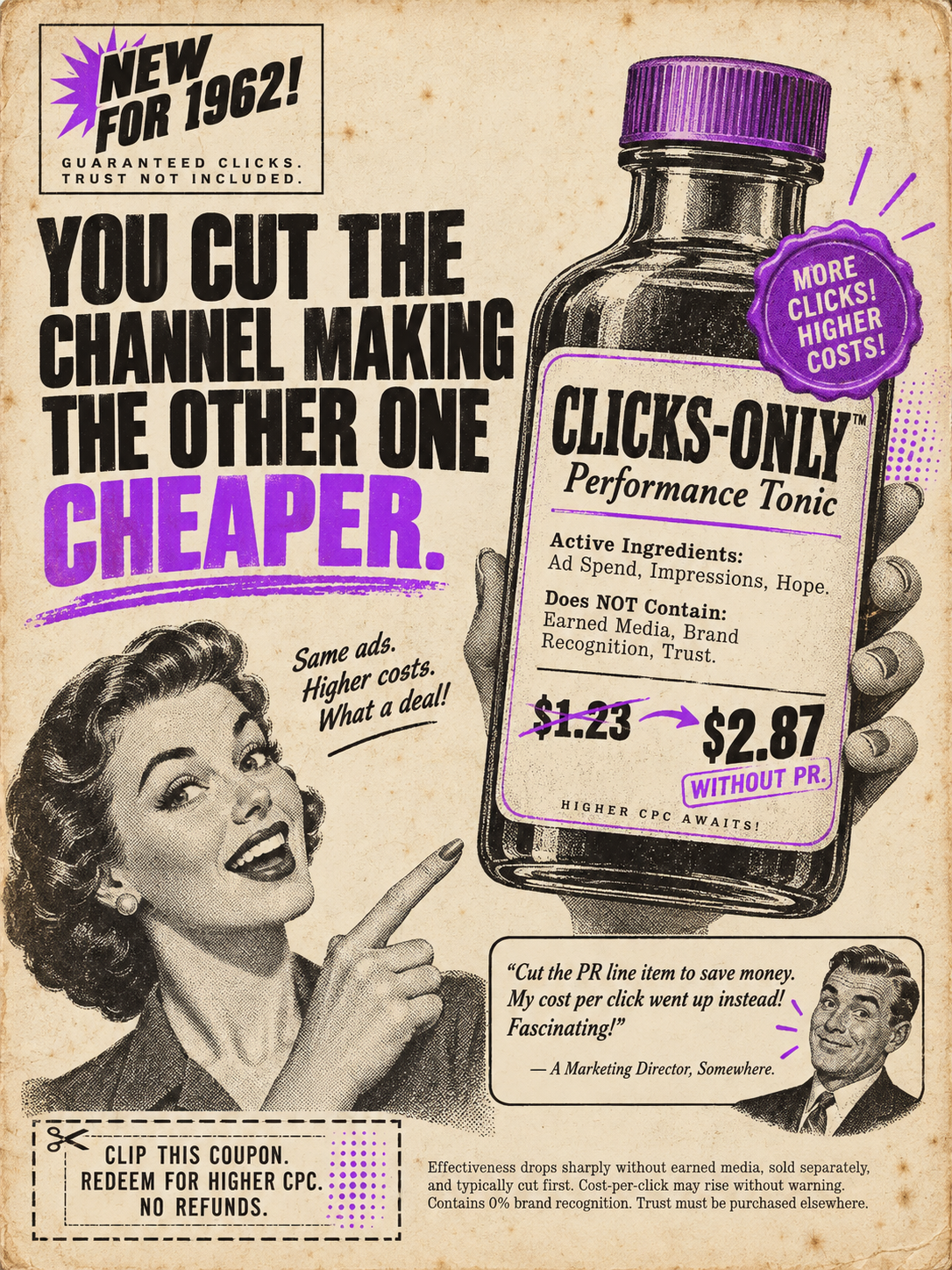
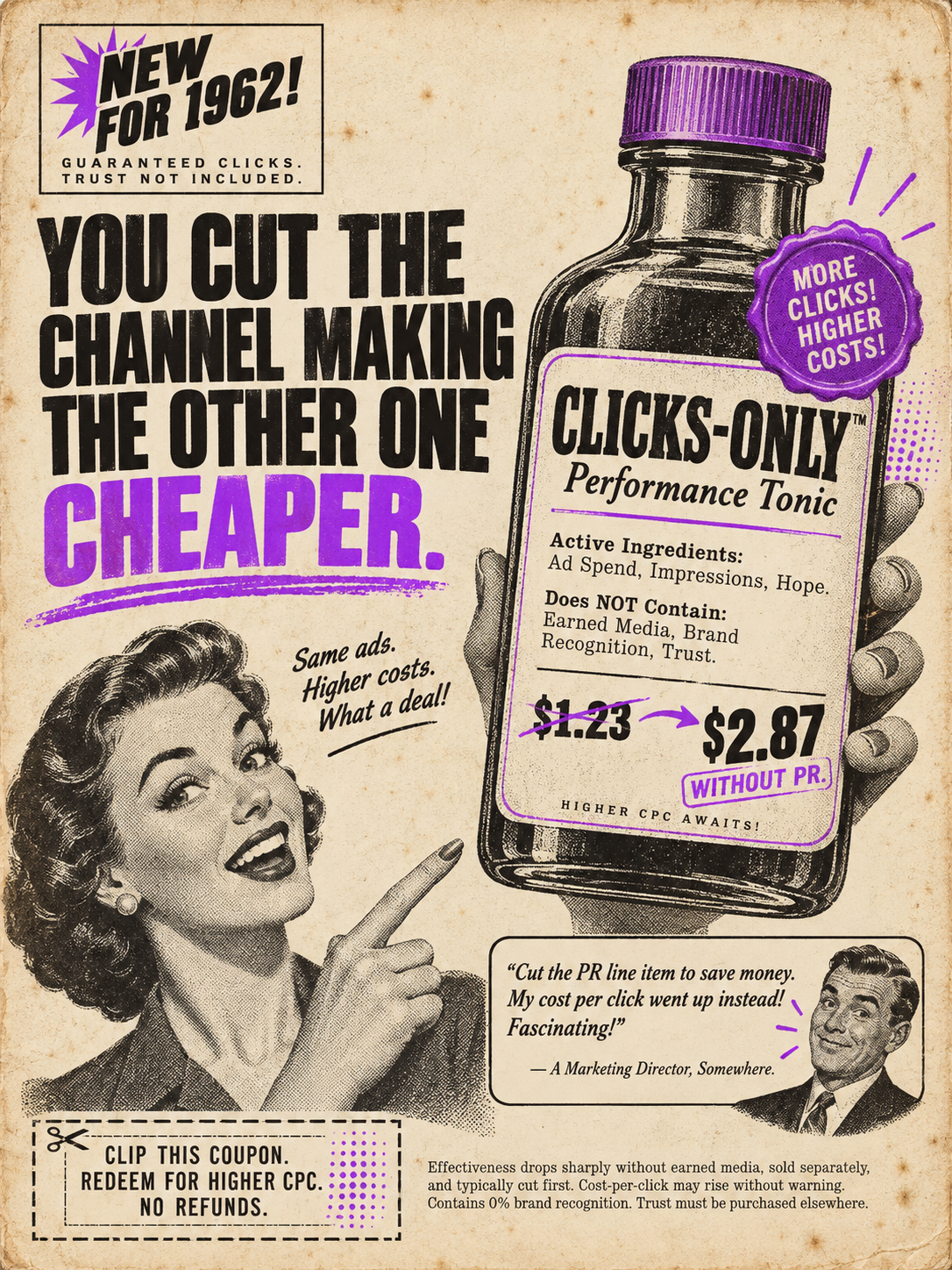
I used to think performance marketing and PR were fighting for the same slice of budget, so you had to pick a side and defend it in the quarterly planning meeting. That's not how any of this actually works. They're different tools intended to complement each other, like fine wine and cheese, except one of them also happens to make the other one cheaper.
This triggered something in me, honestly, because nobody explains this part clearly enough. Everyone wants a strong ROAS on paid campaigns, sure, but layering real coverage on top of a paid strategy can push that number considerably higher, and almost nobody's doing the math on why.
Performance Marketing and PR Are Not Enemies, They're Roommates Who Split Rent
We really said this with a straight face for years: PR and performance marketing are competing for the same budget, so pick one. Wrong from the start. PR builds the branded search volume and trust that lowers cost-per-click on the ads running right next to it, which means the two channels are quietly subsidizing each other the whole time.
PR-driven brand lift can meaningfully reduce customer acquisition cost by boosting the trust signals that make paid campaigns convert better, according to PR ROI research from PRSA. Couldn't hurt, right?
Earned Media Is the Cheat Code Performance Marketers Keep Ignoring
Here's the part that should make every performance marketer sit up. Earned media doesn't just look nice in a highlight reel, it does actual, measurable work underneath the paid campaigns everyone's obsessing over.
A brand that's been covered by real outlets converts better on the exact same ad spend as a brand nobody's ever heard of, because trust was already built before the ad even loaded. That's not a soft, feel-good claim, it shows up directly in cost-per-click and conversion rate the moment a prospect recognizes the name from somewhere other than the ad itself.
If your team is still treating PR as the "nice to have" line item that gets cut first when budgets tighten, that's the actual math error, not the ad spend. Cutting the channel that makes your other channel cheaper is not a savings, it's a delayed cost showing up somewhere else on the spreadsheet.
What Journalists Actually Want in a Pitch (Hint: It's Not Your Adjectives)
Speak the journalist's language, which is apparently math, not marketing copy. Journalists want to see a macro trend in a pitch, so do the research for them and hand them the number. Is anything actually real without a data point attached? Maybe. But it hits a lot harder with one.
91 percent of journalists say original research and data make a pitch more compelling, according to media relations research from AMW, which tracks with what journalists themselves keep saying, that a pitch is easier to write about when it ties into a real, current trend instead of floating on its own. Data is great. Data wrapped in a genuinely well-told story is what actually gets you the good kind of earned media.
If your pitches still read like a feature list wearing a trench coat, this breakdown of what a real PR pitch hook looks like covers exactly how to fix that before your next send.
Why Your Cold Pitching Keeps Landing in Spam
Who approved the plan where nobody checks deliverability until the response rate cratered for three straight months? And are they okay? Cold pitching at scale is genuinely one of the easiest ways to torch a domain's sender reputation if nobody's watching inbox placement, spam complaint rates, or authentication setup.
Only about 95.2 percent of cold emails even reach an inbox, meaning roughly 1 in 20 never make it at all, and authenticated domains are 2.7 times more likely to land in the inbox than unauthenticated ones, according to email deliverability research from Saleshandy.
If your email deliverability has been quietly tanking your pitch results and nobody noticed, this breakdown of why your pitch never made it to the inbox walks through exactly what's happening on the technical side, and it's not your writing.
The Bottom Line on Performance Marketing, Since Nobody Else Will Say It
Performance marketing works better with earned media underneath it, not instead of it. Give journalists the macro trend they're actually asking for. Fix the email deliverability plumbing before blaming the copy. And stop treating cold pitching like a numbers game when it's actually a reputation game.
Don't Be A Little Pitch exists because most people optimize one channel and never check whether the other one is quietly working against it. If that sounds familiar, that's usually the actual thing worth fixing first.
FAQ
How does PR affect performance marketing results?
PR can lower customer acquisition costs and improve paid ad performance by building brand trust and increasing branded search volume, which often reduces cost-per-click and improves conversion rates on paid campaigns.
What is earned media and why does it matter for performance marketing?
Earned media is coverage a brand receives without paying for placement, such as press features. It builds credibility that can make paid advertising more efficient by increasing trust before a potential customer even sees an ad.
What do journalists look for in a pitch?
Journalists consistently favor pitches that include relevant data or a macro trend, since it makes a story easier to write and gives it broader context beyond a single brand's announcement
Why do cold email pitches land in spam?
Cold pitches often land in spam due to poor domain authentication, high spam complaint rates, or sending patterns that trigger provider filters, rather than the content of the email itself.
How can I improve my email deliverability for cold outreach?
Improving deliverability typically involves authenticating your sending domain, keeping spam complaint rates low, warming up new domains gradually, and monitoring inbox placement rather than only tracking open rates.



60-Day Performance Guarantee
PR only works if it builds momentum fast. If we do not secure 2 meaningful earned media features and line up 3 additional opportunities within 60 days, you get a full refund.

Free Authority Score Checker
Check your online reputation and authority score for free and see how you stack up and get custom tips to improve instantly.




.png)