Beauty Standards Are Fake. Your Brand Doesn't Have to Be.

TLDR:
- Fake beauty standards aren't aspirational anymore. They're a liability.
- Ditch the over-edited images.
- Be upfront about AI retouching.
- Make inclusive beauty your default instead of a one-off campaign.
- Back your values with experts and proof.
- That's ethical PR, and it's how beauty brands stop getting dragged and start getting actual press. It's really not that deep.
Okay, wait. You still think a poreless, AI-smoothed model with zero texture is going to make people trust your moisturizer? Be so for real right now.
Unrealistic beauty standards are the thing everyone's mad at, and your brand is feeding them. Your customers can spot a fake face from three scrolls away, journalists are tired of brands preaching self-love while photoshopping someone's hips into oblivion, and regulators are literally writing rules about it. So yeah. Selling impossible beauty standards isn't edgy. It's lazy, it's risky, and honestly? It's a little embarrassing for you.
The good news (ugh, fine, there's good news): brands that get honest about AI retouching, make inclusive beauty the default, and use ethical PR to back it up don't just avoid getting roasted. They get covered. Let's go through it slowly, since apparently we need to.
Why Unrealistic Beauty Standards Are Killing Your Brand's Credibility
Here's the part you somehow missed. People aren't just annoyed by fake beauty standards. They're actually getting messed up by them. Dove's own research found that one in three women feel pressure to change how they look because of what they see online, even when they know the images are fake or AI-generated.
Nine in ten women and girls say they've seen harmful beauty content online. So when your brand pumps out another impossible face, you're not "aspirational." You're part of the problem everyone's complaining about.
And Dove didn't just tweet a sad emoji about it. They publicly committed to never using AI in place of real people in their ads. That's ethical PR with actual teeth, and it got them headlines everywhere. Meanwhile, your brand's still debating whether to blur the stretch marks. Did we think this through or nah?
Authentic Beauty Marketing That Breaks Unrealistic Beauty Standards
News flash: "authentic" isn't a font choice. Customers can smell a scripted testimonial like it's drugstore perfume in an elevator.
If you actually want to push back on fake beauty standards, it looks like this:
- Real customers, real skin. Texture, scars, hyperpigmentation, wrinkles. You know, faces.
- Real stories with actual stakes. The customer who stopped hiding her acne. The founder who built the brand because nothing worked on her skin. That's a story a journalist can use.
- Receipts. Before-and-afters that aren't secretly lit by a team of six.
Also? Pick a message and stay there. Preaching body positivity on Instagram while your website banners look like a wax museum is hypocritical. Brand consistency across every platform is what makes your values look real instead of rented. Editors notice when your campaigns contradict each other, and so do the people in your comments.
AI Retouching in Beauty Ads: Should Brands Disclose It? Obviously.
This isn't even a vibe thing anymore. It's a rules thing.
In the UK, the advertising regulator ruled that beauty filters that exaggerate what a product does are misleading, and the brand is on the hook for proving otherwise, not the influencer. Norway went further and passed a law requiring paid posts with retouched body shape, size, or skin to carry a label. Fines are on the table. So are worse things.
Rules vary by country, sure. But if your entire strategy depends on nobody noticing the AI retouching, that's not a strategy. That's a countdown.
Here's the bare minimum ethical PR move:
- Don't use filters or edits that fake product results. Ever. That's the line.
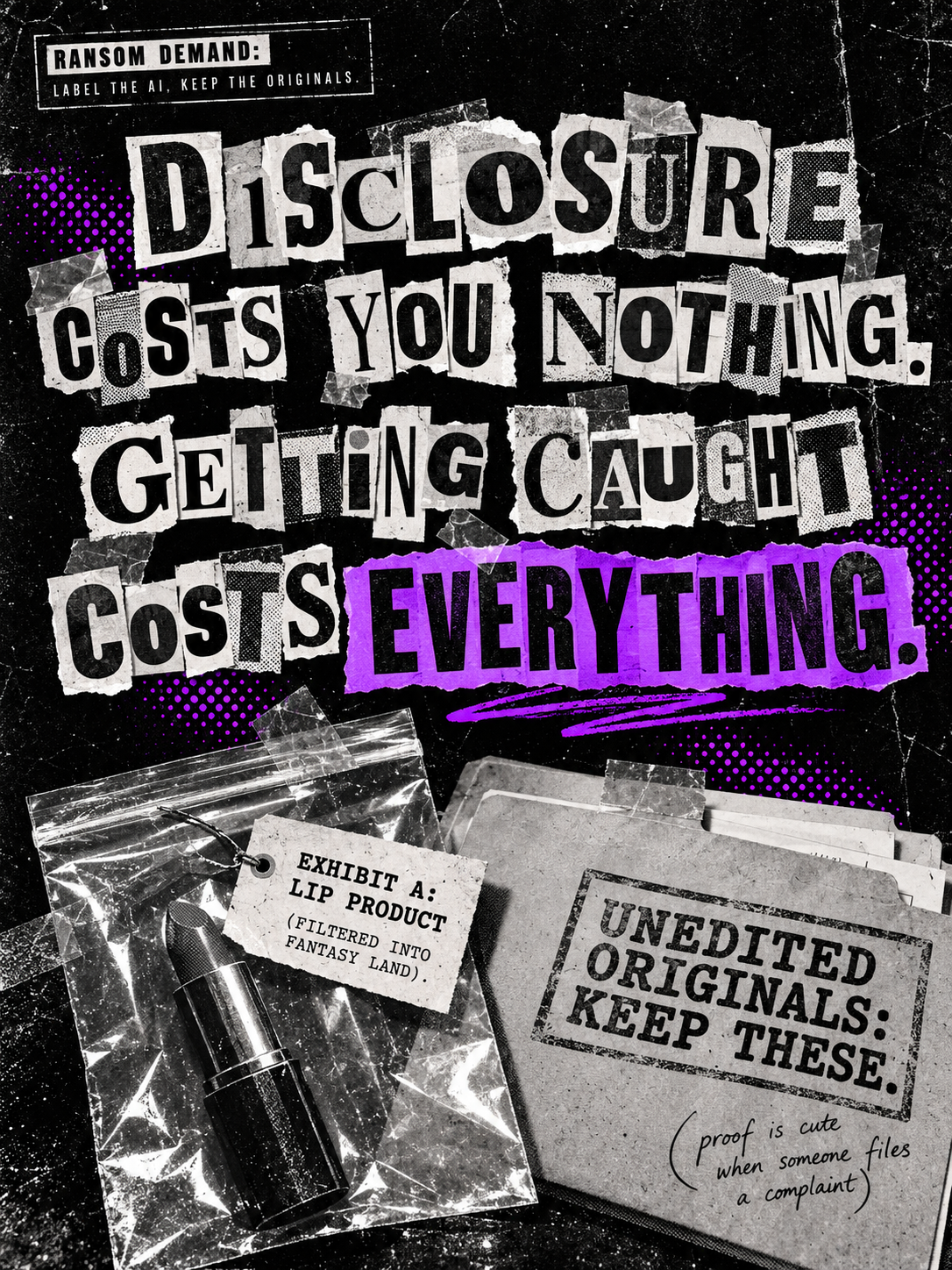
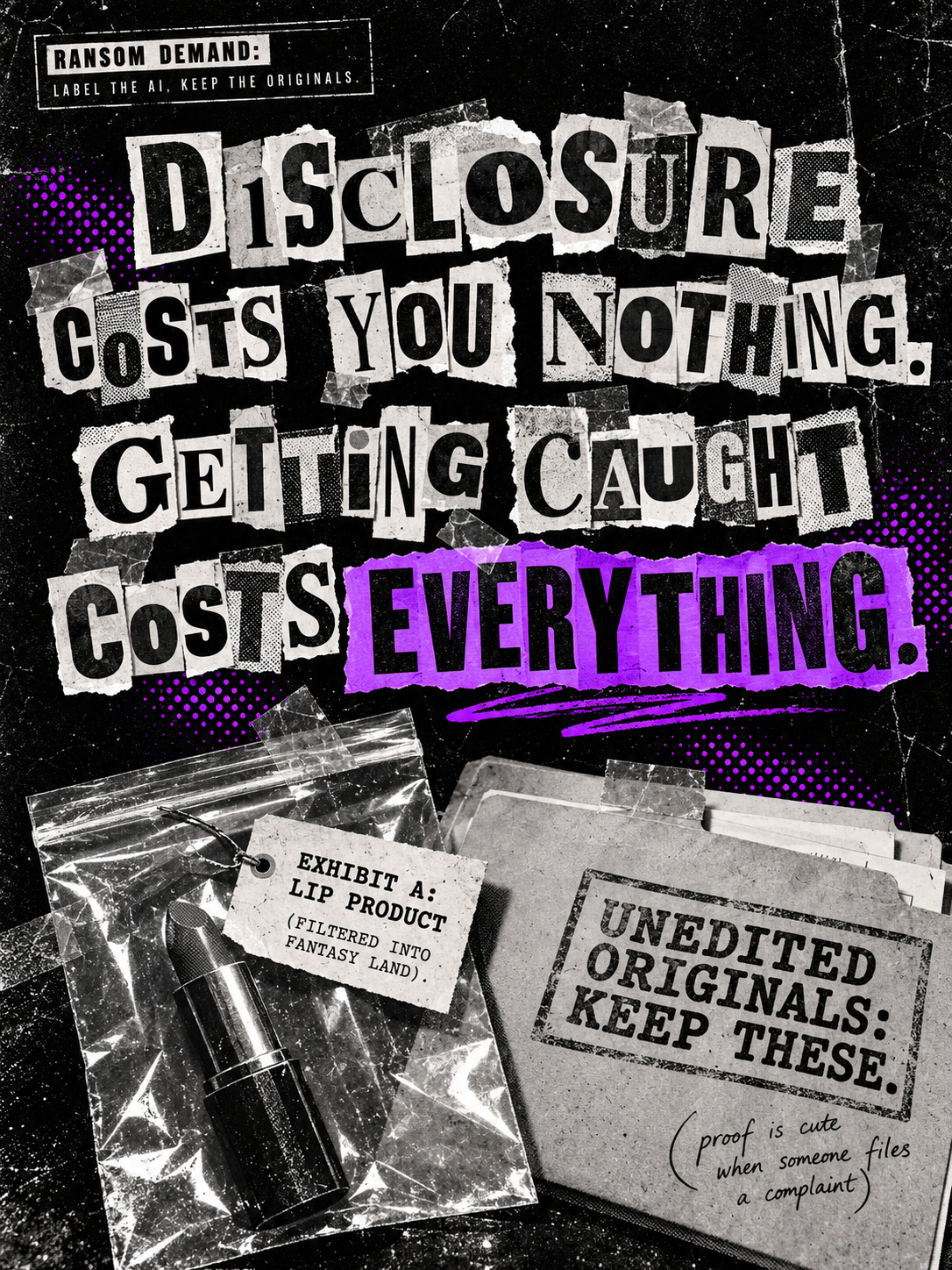
- Label AI-generated or heavily edited images. Disclosure costs you nothing. Getting caught costs you everything.
- Put it in your influencer contracts. If a creator filters your foundation into a miracle, you own that mess.
- Keep the unedited originals. Proof is cute when someone files a complaint.
Brands that go public with a no-distortion policy also hand journalists a ready-made story about beauty standards in advertising. Transparency literally pitches itself. I can't believe this saying.
Inclusive Beauty Campaigns That Actually Earn Press Coverage
One diverse campaign a year, then right back to the same three skin tones? Babe. Editors can see your Instagram grid.
Inclusive beauty only works when it's the default, not a seasonal costume. That means shade ranges that aren't an afterthought, models across ages, sizes, and abilities, and unedited photos of real customers, year-round. It also means your team, your product testing, and your partners reflect what your ads claim.
Why does inclusive beauty get press? Because it's specific and provable. A brand that can say "every image in our campaign is unretouched and approved by the person in it" has a hook. A brand that says "we celebrate all beauty" has a greeting card. If you want more ideas on turning that into a moment people actually show up for, read up on brand activation ideas that actually get your beauty brand covered.
How Educational Content Challenges Beauty Standards and Builds Trust
You want credibility? Stop saying "trust us" and start showing your work.
- Teach people something. Blog posts, short videos, and social content explaining how retouching and AI editing distort what skin actually looks like, and how social media shapes beauty standards. Brands that educate look like leaders. Brands that just sell look like everyone else.
- Bring in real experts. Dermatologists, psychologists, body image researchers. Their voices make your message more believable and more quotable, which is exactly what reporters need.
- Show up everywhere, but don't copy-paste. TikTok, Instagram, your site, in-store, events. Same values, adjusted for each platform. Posting the same caption five times isn't multi-platform. It's just tiring.
- Make it interactive. Unfiltered challenges, real-skin Q&As, customer polls. People trust what they get to be part of.
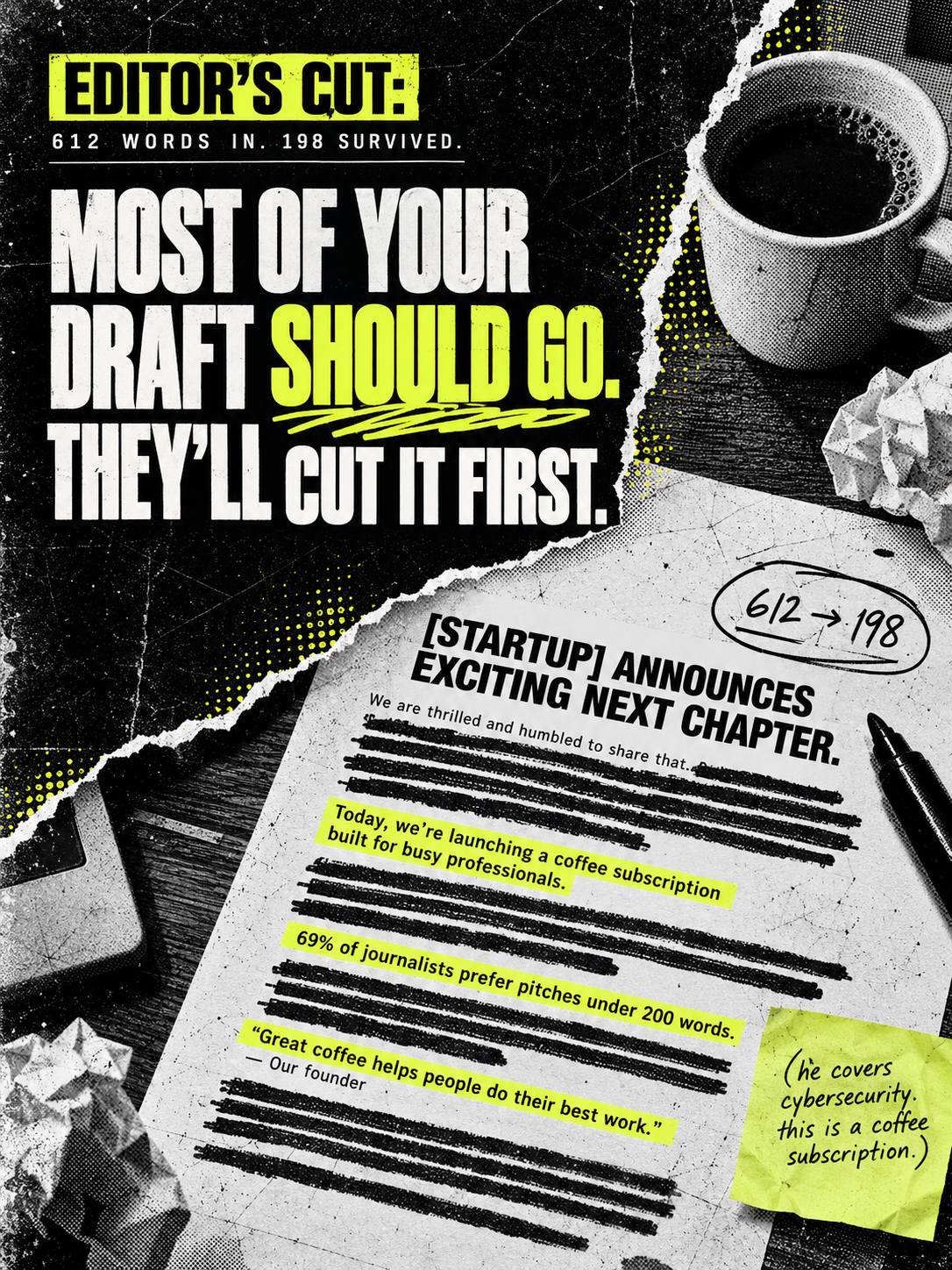
And when you've got all this, you still need to pitch it like a person, not a press release robot. Here's what a real PR pitch hook looks like.
How to Measure Ethical PR Results (Likes Aren't a Personality)
If your only metric is "the post did numbers," I'm actually worried about you.
Track what tells you if people believe you: earned media mentions, sentiment in comments and reviews, repeat purchases, and whether your audience actually connects with your values. Ask customers directly through surveys and social listening. Then adjust when something isn't landing, instead of blaming the algorithm like everyone else does.
Beauty Brand Crisis Management: When the Retouching Scandal Hits
Let's say the internet catches your brand filtering a lip product into fantasy land. What now?
- Respond fast and own it. No "we're sorry if anyone felt…" non-apologies. Everyone hates those.
- Explain what changes. New editing rules, new contracts, new review process. Specifics, not vibes.
- Follow through publicly. Show the fix. Then keep showing it.
The best crisis plan is having one before you need it. And if you're already in the mess, here's how a public relations reputation restoration strategy turns messes into masterpieces.
Don't Be A Little Pitch helps beauty brands get press for being real, not retouched. If yours is still hiding behind a filter, let's fix that.
FAQ
What are unrealistic beauty standards?
Unrealistic beauty standards are ideals of appearance that most people can't naturally achieve, like flawless poreless skin, very specific body shapes, or features created through retouching, filters, or AI. They often come from advertising and social media rather than real life.
How do beauty ads and social media affect beauty standards?
Heavy retouching, beauty filters, and AI-generated models show skin, bodies, and results that don't exist in real life. Seeing those images repeatedly can make people feel pressure to change how they look, even when they know the images are edited.
Do beauty brands have to disclose AI retouching or edited images?
It depends on the country. Norway requires labels on paid ads with retouched body shape, size, or skin, and the UK's advertising regulator treats filters that exaggerate a product's effect as misleading. Even where it isn't required, disclosure protects trust and reduces legal risk.
What is inclusive beauty, and how can a brand do it without looking performative?
Inclusive beauty means representing and serving people of all skin tones, ages, sizes, genders, and abilities. To avoid looking performative, make it consistent rather than campaign-based: offer full shade ranges, feature diverse real customers all year, and include diverse voices in product development.
What is ethical PR in the beauty industry?
Ethical PR in beauty means promoting products honestly. That includes using realistic images, being transparent about editing or AI, representing diverse customers, and making claims a product can actually back up.
What should a beauty brand do if it's accused of misleading advertising?
Respond quickly, acknowledge the issue clearly, explain what you're changing, and show that you followed through. Avoid vague apologies, and update influencer contracts and editing guidelines so it doesn't happen again.
60-Day Performance Guarantee
PR only works if it builds momentum fast. If we do not secure 2 meaningful earned media features and line up 3 additional opportunities within 60 days, you get a full refund.

Free Authority Score Checker
Check your online reputation and authority score for free and see how you stack up and get custom tips to improve instantly.