Your Brand Voice Is Giving Cringe, Not Confidence

TLDR:
- A brand voice does not mean posting whatever comes to mind and calling it honesty. That's not a voice, that's just a lack of a plan
- Cringe doesn't happen because a brand got too real. It happens because a brand got real with zero direction
- Real branding is consistent, clear, and intentional, not "unfiltered" as a personality trait
- If your brand voice feels awkward, the problem was never honesty, it was that nobody figured out who "yourself" even is
- Strategy is the thing making it work. Shocking, I know

Okay, so. Someone needs to explain to the entire internet what a real brand voice actually sounds like, because right now everyone's out here mistaking "unhinged" for "honest" and it is not the same thing. Did we think this through, or did we just see one brand go viral for being weird and decide that was the whole strategy?
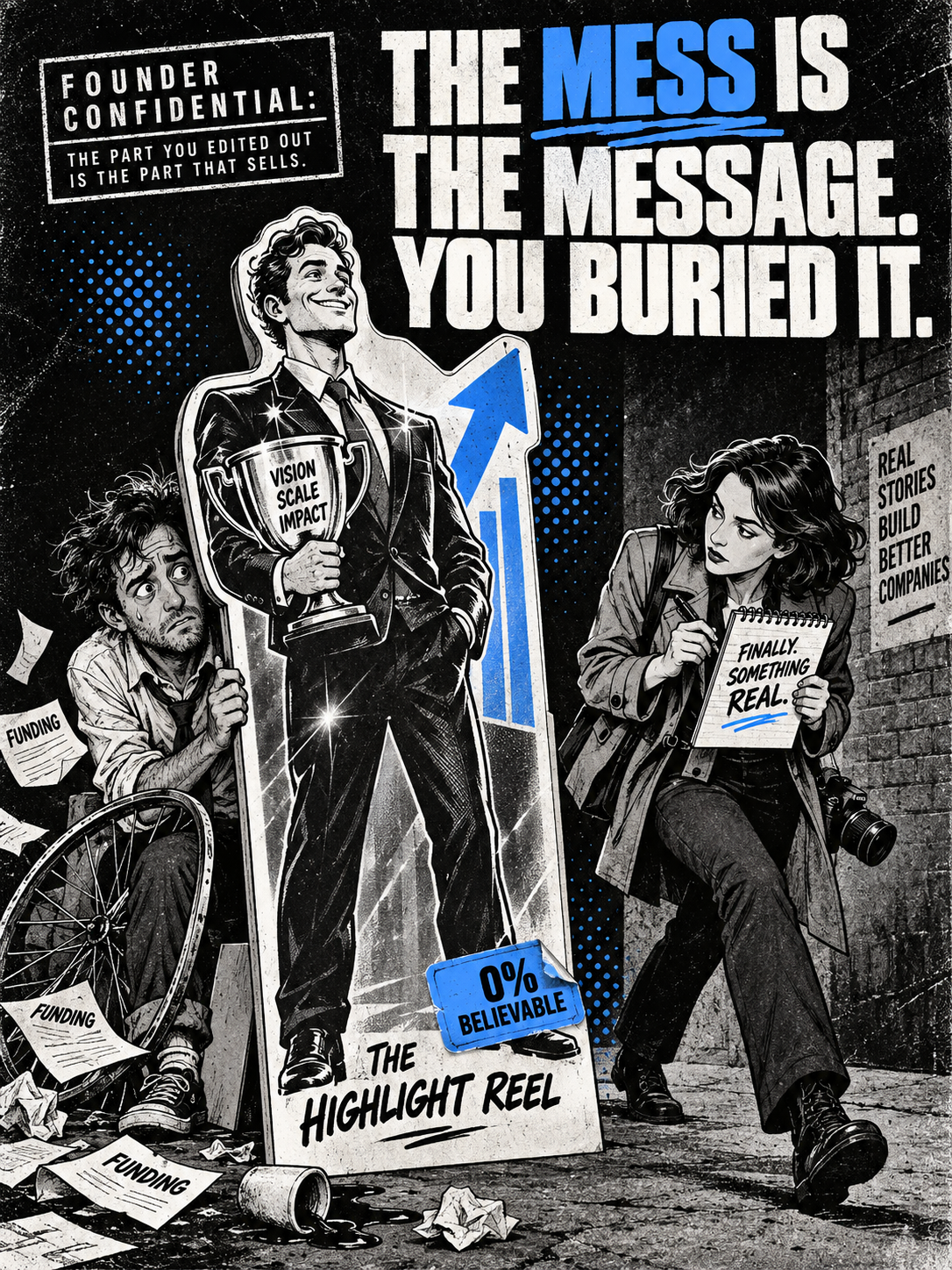
Here's the actual definition nobody bothered to look up: cringe is not caused by authenticity. Cringe is caused by forced authenticity, which is a completely different thing, and also extremely obvious once you say it out loud. Audiences do not reject brands for being real. They reject a brand voice that's performing "real" like it's a costume someone just found in the closet.
Wait, Your Brand Voice Sounds Like a Group Project and Nobody Told You?
I'm actually embarrassed for some of you. A brand voice turns into cringe specifically when a brand mimics a trend it has zero actual connection to, borrows language that clearly isn't theirs, or confuses "informal" with "honest," which, again, are not the same thing and I don't know why this needs a whole paragraph.
Audiences can spot the difference instantly. Not eventually. Instantly. That's the part that should terrify whoever greenlit the last "we're just like you guys" caption from a company that has never once, in its entire existence, spoken like a person.
This is basic. This is genuinely the most basic thing. And yet.
Brand Authenticity Is Not What You Think It Is, Bestie
Real brand authenticity is consistent, not performative. It's clear, not chaotic. It's honest, not unfiltered, which is a distinction apparently nobody explained to whoever runs half of these social accounts. Alignment is the whole game. Oversharing is not a personality, it's a symptom.
The data actually backs this up, which is annoying for anyone who wanted to keep pretending "vibes" was a strategy. 97 percent of consumers say authenticity is a key factor in deciding whether to support a brand, according to Clutch's 2026 brand authenticity research, and the same research found that 81 percent have stopped supporting a brand specifically because it stopped feeling genuine. So. Not a small stakes situation. A "your whole brand could just evaporate" situation.
Cringe Isn't Caused by Honesty, It's Caused by You Winging It
Be so serious right now. If your authentic marketing feels awkward, the problem was never that you were too honest. Nobody has ever been rejected by an audience for being clear about who they are. The rejection happens when a brand tries to look honest without doing any of the actual work of knowing what it stands for first.
When a brand voice is anchored in an actual strategy, the messaging feels intentional instead of accidental, the content compounds trust instead of confusing everyone, and visibility becomes something that lasts instead of a single lucky post that got lucky once and never again. 91 percent of consumers say they want the brands they follow to be authentic in their posts, according to brand statistics compiled by Energy PR, which means the audience is already asking for this. They're just watching most brands fail to deliver it in real time.
How to Actually Build a Brand Voice That Doesn't Embarrass Everyone
Step one. Know who you are before you decide how loudly to say it. This sounds insultingly obvious because it is, and also because most brands skip it anyway.
Step two, and this is the one people skip. If being real feels awkward, that's not a signal to stop. That's a signal you never actually built the direction in the first place. This one on why boring brands get ignored is basically the extended version of this exact point, for anyone who needs the longer explanation.
If your positioning still feels a little too safe to actually stand for anything, this breakdown of brand awareness without a point of view covers exactly why that's the quieter version of the same cringe problem.
Brand Consistency Beats Trendy, Every Single Time
Brand consistency beats trendiness every time, because audiences don't want a brand that reinvents its entire personality every trend cycle. They want brands that know who they are, messages that feel grounded, and perspectives that don't flip depending on what's popular this week. 94 percent of consumers say they're likely to stay loyal to a brand that offers complete transparency, per brand authenticity data from Gitnux, which is a number too large to keep ignoring.
The Bottom Line on Brand Voice, Since Apparently We Need One
Strategy is what makes a brand voice actually work. Not confidence. Not vibes. Not a caption that took four attempts to sound casual. A brand that knows what it stands for doesn't have to try to sound authentic, because it already is one, consistently, on purpose, every time.
If your team is still confusing "chaotic" with "honest," that's not a voice problem. That's a direct problem wearing an authentic costume.
Don't Be A Little Pitch exists because most brands can spot the cringe in everyone else's content and somehow never on their own. If that sounds familiar, it might be time for an outside read before the next post goes live.
FAQ
What is a brand voice?
Brand voice is the consistent personality, tone, and language a brand uses to communicate across every channel, distinct from its visual identity or one-off campaigns.
Why does my brand voice feel inauthentic or forced?
It usually feels forced when it adopts language, trends, or a tone that doesn't match the brand's actual identity or values, rather than because it's being too casual or too honest.
How can I build authentic marketing without oversharing?
By being clear and consistent about what the brand actually stands for, rather than sharing everything unfiltered. Authenticity is about alignment with real values, not disclosure volume.
Does brand consistency matter more than being trendy?
Yes, for long-term trust. Consumers consistently report more loyalty to brands with a stable, recognizable identity than to brands that chase every passing trend.
How do I know if my brand voice is actually working?
If your messaging holds up the same way across every platform and every campaign without needing constant tonal shifts, the voice is working. If it changes depending on what's trending, it likely isn't grounded yet.

60-Day Performance Guarantee
PR only works if it builds momentum fast. If we do not secure 2 meaningful earned media features and line up 3 additional opportunities within 60 days, you get a full refund.

Free Authority Score Checker
Check your online reputation and authority score for free and see how you stack up and get custom tips to improve instantly.




.png)