Personal Branding Strategy: Why Boring Brands Get Ignored (And How to Fix Yours)

TLDR:
- Brand credibility is not built by posting more. It's built by being consistent, specific, and actually useful every time you show up.
- Choosing the wrong platforms doesn't just waste time, it actively dilutes your online presence. Be excellent in two places instead of forgettable everywhere.
- Your visuals communicate your standards before anyone reads a single word.
- The most common personal branding mistakes have nothing to do with effort. They're about strategy: wrong platform, borrowed voice, inconsistent presence, no clear positioning.
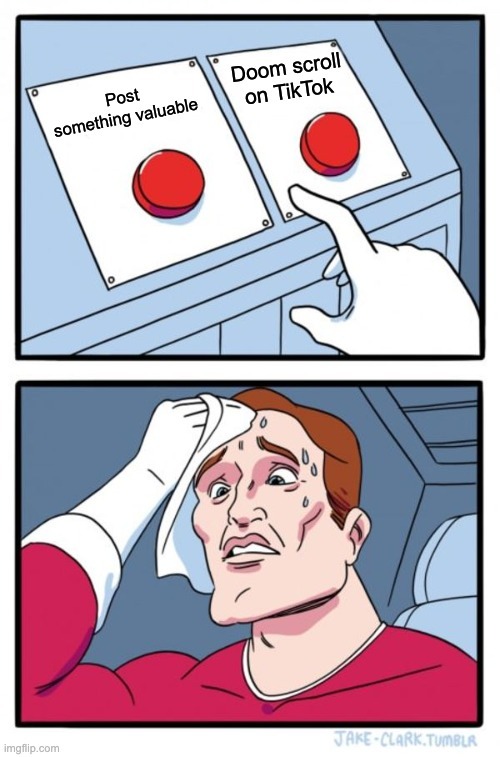
Let's be very clear about something. You already have a personal brand. The question is whether it's doing something useful for you or just floating around the internet like an untagged photo from 2014.
Everyone’s got a personal brand these days, whether they’re aware of it or not. But if you're not taking control, then you’re letting everyone else write your story for you. And trust me, those stories are probably not flattering. Here’s the truth: not all personal brands are created equal. It’s not just about having a cool headshot and a LinkedIn account. Some are fake, some are desperate, and some are just... yikes.
A real personal brand builds an online presence that means something. It establishes brand credibility before you ever get on a call with someone. It makes people want to work with you before you've said a single word. And it absolutely does not look like everyone else.
Whether you're a founder, a PR pro, or someone who's just realized their digital footprint is working against them, this is your blueprint. If you want help that goes further than a blog post, check out what we do at DBALP. But first, let's talk strategy.
Personal Branding Strategy Starts With Radical Honesty
A Solid Personal Branding Starts With Being Brutally Honest About Who You Are
Nobody asked for your curated highlight reel. Not your clients, not your audience, and definitely not the algorithm. What people actually want is the version of you that has opinions, has made mistakes, and has something real to say about it.
Authenticity in personal branding strategy isn't a buzzword, it's a business decision. The founders and professionals who build brand credibility fast are not the ones performing success. They're the ones willing to say something that might make someone uncomfortable, because they know it's true.
That doesn't mean oversharing your entire origin story in a LinkedIn post every Monday. It means showing up with a consistent point of view. Let people know what you stand for and what you won't stand for. That's how you build a personal brand that people actually remember, and trust.
Common personal branding mistake to avoid: confusing vulnerability with weakness. Showing the real process behind your work is not the same as having no filter. There's a difference between being human and being an open wound on main.
Brand Credibility Beats a Sales Pitch Every Single Time
Stop Selling, Start Building Brand Credibility That Does the Selling For You
The irony of personal branding is that the second your personal brand starts feeling like a sales pitch, it stops working. Nobody follows someone who makes them feel like a lead.
Brand credibility is built through value. Not the performative "giving back" kind where you share a five-point listicle and call it thought leadership. Real value. The kind where someone reads something you wrote and thinks "okay, this person actually knows what they're talking about."
What does that look like in practice? Share an insight from a client situation that didn't go perfectly. Give away the framework you use that actually works. Write the honest take on an industry trend instead of the safe one. Your personal branding strategy should be built around making your audience smarter, not just more aware that you exist.
Value equals credibility, and credibility equals trust. Trust means people hiring you, referring you, and coming back. That's the whole funnel, and it starts with actually being useful.
Build Online Presence Where It Actually Counts
Choose Platforms That Build the Online Presence You Actually Want
“You do not need to be everywhere. That advice was bad when it was given and it has aged terribly.
Being present on every platform with mediocre content is worse than being excellent on two.”
Your online presence should be concentrated where your audience actually lives and where the format plays to your strengths. A few guidelines:
- LinkedIn is where your personal branding strategy gets the most professional mileage. Post with authority, share real insights, and engage like someone who has something to contribute, not like someone trying to win a visibility contest.
- Instagram and TikTok reward personality and consistency. If you're building a personal brand in a visual or creative space, these platforms are non-negotiable. Show your work, your process, your real opinions.
- Wherever you choose, brand credibility is built by showing up with the same voice and the same standards every time. Consistency is not boring. Disappearing for six weeks and coming back with a motivational quote is boring.
Pick the platforms that fit where you want your personal brand to live. Build your online presence there, and make it impossible to ignore. If you're not showing up, someone else is.
The Only Personal Branding Strategy That Works
The Personal Brands That Win Are Playing a Long Game
No one built a credible personal brand in a month. The personal branding tips for founders who are just starting out always skip this part, which is why so many people give up three weeks in because the follower count isn't moving fast enough.
Your personal branding strategy is not a sprint metric. It's infrastructure. Every post you write, every piece of content you put out, every conversation you show up for consistently is a brick. You're building something that compounds over time, not something that goes viral once and then disappears.
The people with real brand credibility in their space have been showing up, consistently and with quality, long before you noticed them. That's not an accident. That's a strategy.
Stay consistent. Stay recognizable. Keep your eyes on what you're building, not on who's watching. The right audience finds the personal brands that don't quit.
Visuals Are Non-Negotiable for Your Personal Brand
Your Visuals Are Part of Your Personal Brand, Whether You Like It or Not
Blurry event photos, inconsistent color palettes, and selfies taken in fluorescent light are all brand credibility killers. Your visuals communicate your standards before anyone reads a single word.
This is not about spending a lot of money. It's about paying attention. A strong online presence means your visual identity matches the energy of everything else you're putting out. If your content sounds sharp and your photos look like an afterthought, people notice the disconnect.
What this looks like in practice:
- Learn how lighting and framing work. A good photo taken on a phone beats a careless photo taken on a camera every time.
- Keep your color choices, fonts, and overall aesthetic consistent across platforms. Your personal brand should be recognizable without your name on it.
- Invest in skills, not just equipment. Understanding how to present yourself visually is part of your personal branding strategy, not an optional extra.
Your brand deserves a visual identity that matches the quality of what you actually do. That doesn't require a big budget. It requires intention.
Personal Branding Mistakes
Since we're here: a few things that are quietly destroying personal brands right now.
- Posting only when you want something. If your online presence only materializes when you have something to sell or announce, people notice. Brand credibility requires presence that isn't transactional.
- Copying the tone of whoever is popular right now. Personal branding strategy that is built on mimicking someone else's voice is not a strategy. It's a placeholder. Your brand credibility depends on your audience being able to tell you apart from everyone else.
- Treating every platform identically. Repurposing content is smart. Pasting the same caption on LinkedIn and Instagram without adapting it is lazy and it shows.
- Ignoring your existing audience to chase a new one. The people who already follow you, engage with you, or check in on your content are your warmest brand advocates. Treat them accordingly.
- Waiting until everything is perfect to start. Your personal brand is not a product launch. You build it by being in it, not by planning it forever from the sidelines.
If you're looking at this list and recognizing a few things, that's not a problem. It's a starting point. Get in touch with our team and let's build a personal branding strategy that actually works for where you want to go.
At Don't Be A Little Pitch, we don't do fluffy advice and we don't do cookie-cutter strategy. If you're ready to build a personal brand that commands attention and earns real brand credibility, we're ready to get into it with you.
See what we offer or reach out directly. Either way, "I'll start next month" is not a personal branding strategy.
FAQ
How do I build a personal brand?
The honest answer: stop trying to be likeable and start being credible. A personal brand that earns respect is built on a consistent point of view, real expertise, and an online presence that shows up with the same standards every time. People respect personal brands that say something meaningful, show their work, and don't disappear the moment things get quiet. Brand credibility is not about being popular. It's about being trusted.
What makes a personal brand credible?
Brand credibility comes from three things: consistency, specificity, and proof. Showing up consistently tells people you're serious. Being specific about what you do and who you help tells people you know your lane. And proof means your content, your track record, and the people who talk about you actually back up what you're claiming. A personal brand that checks all three is one people refer and return to.
What are the most important personal branding tips for founders?
First, start before you think you're ready. Your personal brand builds while you build your business, not after. Second, your company has a brand. You also need one, separately. People invest in people, not just products. Third, your personal branding strategy should reflect where you want to go, not just where you are. Build the brand that represents the founder you're becoming, and grow into it.
Why does personal branding matter for PR professionals?
Because you're in the business of building credibility for other people. If your own personal brand is inconsistent, invisible, or generic, that says something. PR professionals with strong personal brands attract better clients, command better rates, and have stronger networks to leverage when campaigns need it. Your online presence is part of your portfolio whether you treat it that way or not.
What are the most common personal branding mistakes to avoid?
The big ones: only showing up when you want something, copying someone else's voice instead of developing your own, treating all platforms identically, and waiting until everything is perfect to start. Also, confusing activity with strategy. Posting a lot is not the same as posting with intention. A personal branding strategy that doesn't have a clear point of view is just noise with a name attached.

60-Day Performance Guarantee
PR only works if it builds momentum fast. If we do not secure 2 meaningful earned media features and line up 3 additional opportunities within 60 days, you get a full refund.

Free Authority Score Checker
Check your online reputation and authority score for free and see how you stack up and get custom tips to improve instantly.




.png)