What Does a Publicist Do? The Media Relations Secrets You Clearly Needed

TLDR:
- A publicist builds relationships with journalists so your brand gets real media coverage, not just a press release nobody opens.
- Good media relations is a two-way relationship. Mass emails and “just checking in” spam don’t count.
- Publicists win at media pitching because they personalize, keep it short, and send it to the right person.
- They also bring exclusives, fast responses, smart follow-ups, and calm crisis handling when things go sideways.
- If you’ve been DIY-ing your PR and getting nothing back, that’s your sign.
Wait. You’ve been running your own PR, sending the same press release to every journalist on the internet, and you’re still wondering whether you need a publicist?
Be so serious right now.
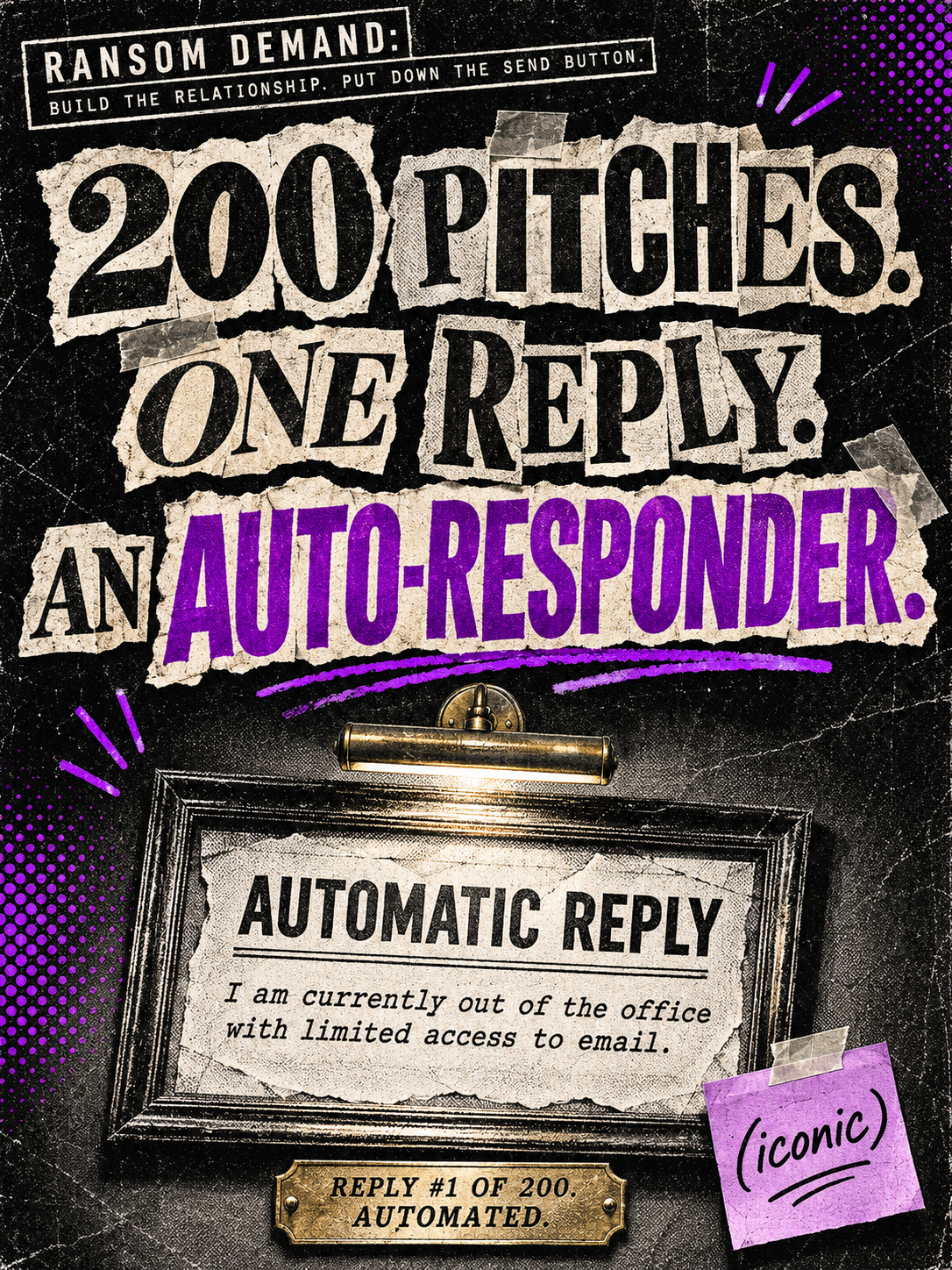
Look, I get it. Hiring someone feels like a big step. Way easier to “just handle it yourself.” And how’s that going? One reply? From an auto-responder? Iconic.
Here’s what nobody told you: getting press is a relationship thing, not a send-button thing. And publicists are the people who’ve already built those relationships while you were busy writing “FOR IMMEDIATE RELEASE” in all caps. So let’s go over what a publicist actually does, since apparently it’s a mystery.
What Is a Publicist? (No, Not Just Someone Who Sends Press Releases)
A publicist is the person who manages how you or your brand shows up in the media. They pitch your stories to journalists, build relationships with the press, land you coverage, and keep you looking good when things get messy.
Basically, they’re a matchmaker between you and the media, pulling strings behind the scenes so your brand actually gets seen.
And the thing they’re best at? Media relations. That’s the skill most DIY brands completely skip. Did we think that through or…?
What Is Media Relations? The Part of PR You Keep Getting Wrong
Media relations is how brands build real relationships with journalists so their stories get told. Think of it like a tango. You have a partner, there’s a rhythm, and you have to move with them. Stomp on their feet enough times and they’ll leave you on the dance floor alone. Embarrassing.
Done right, it shapes the story people tell about you, influences how people see your brand, and gets your message to the right audience at the right moment.
It’s way more than blasting press releases. It’s knowing how to tell a story, keeping up as the media keeps changing, and being genuine and interesting at the same time. (Hard for some brands, apparently.) It also means watching trends, seeing where audiences are heading, and jumping on chances to put your brand in the middle of the conversation.
Is it a walk in the park? Absolutely not. Every interaction either strengthens the relationship or quietly ruins it. If yours keeps going nowhere, here’s why your media relations stopped working.
How Publicists Build Media Relations (aka What You Should’ve Been Doing)
Here’s what a good publicist does every day. Read it and either feel inspired or feel called out. Honestly, both work.
They Personalize Every Media Pitch
A publicist doesn’t send the same pitch to two hundred journalists. That’s like tossing a coin into a fountain and hoping your wish comes true. Cute. Useless.
Good media pitching is more like pairing wine with dinner. It’s matched to the person. Publicists read a journalist’s past articles, learn what they cover, and write something that actually fits.
Because journalists notice. Muck Rack’s State of Journalism findings, summarized by the University of Minnesota, show 43% of journalists say relevant pitches are rare, and 69% want pitches under 200 words. Two hundred words. Your current pitch has an intro paragraph about your founding values.
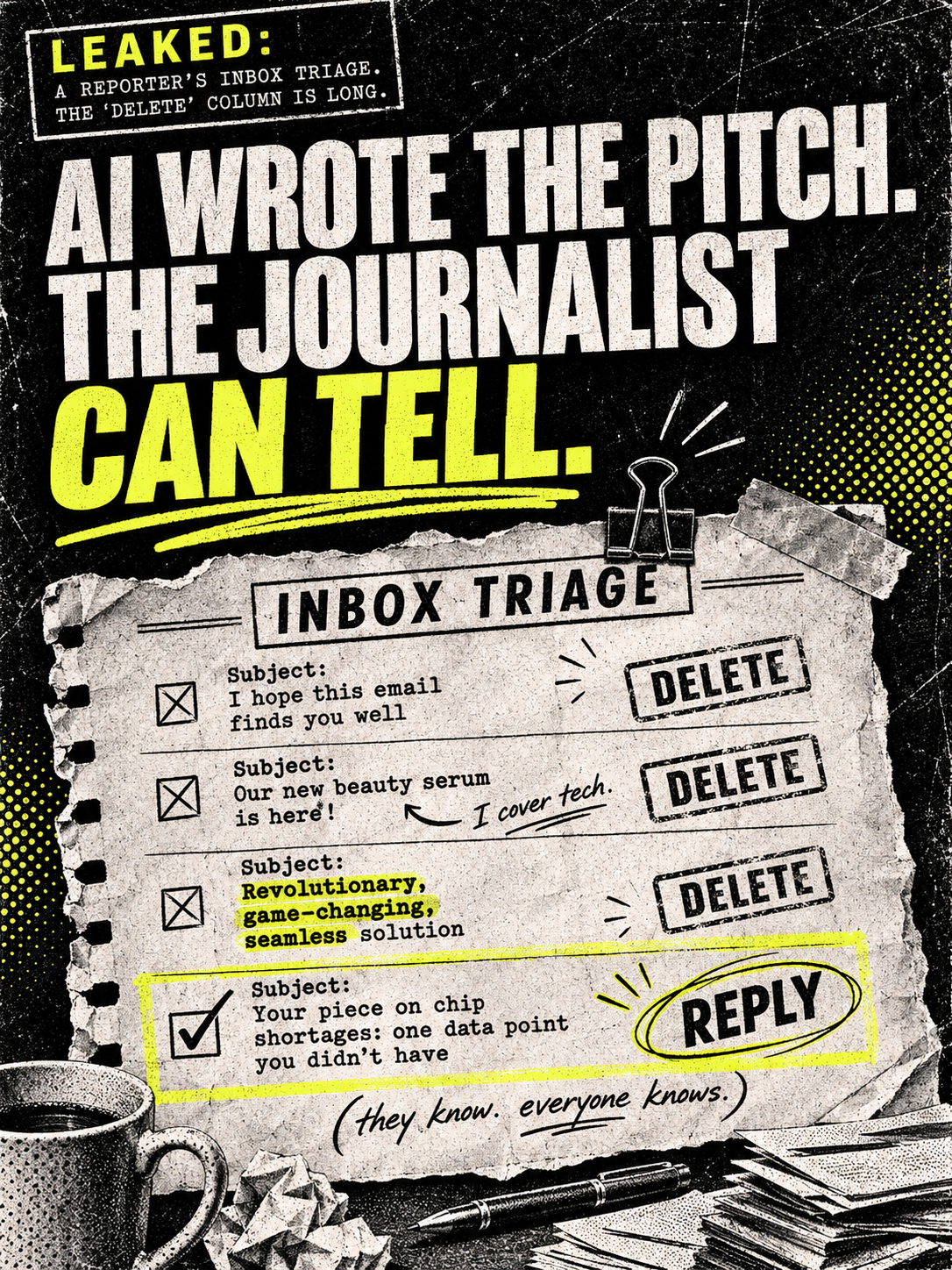
Send irrelevant stuff and it gets worse. Cision’s State of the Media research found 77% of journalists will block a PR pro who spams them with irrelevant pitches. Blocked. Gone. I’m actually embarrassed for you.
Once a pitch is relevant, a good publicist adds personality: a bit of humor, a clever line, something that doesn’t sound like a software license agreement. Journalists are people (shocking), and they like being entertained too. And of course, a publicist makes sure the pitch actually lands.
They’re the Reliable Source Journalists Call First
Think of a good publicist as a great plumber. They show up when needed and never leak bad info.
They share accurate, useful details. They bring experts, insights, and fresh takes on industry trends. They make a journalist’s job easier, so that journalist keeps coming back.
And journalists need that help. Cision’s research, covered by PR Daily, found 49% of reporters call shrinking budgets, staff cuts, and heavier workloads a major challenge. They’re overworked. A good publicist helps. Bad PR adds to the pile.
They Use Social Media to Connect With Journalists
Yes, publicists slide into DMs. Smoothly. There’s a difference.
They follow journalists, engage with their posts, leave real comments, and maybe drop an emoji or a well-timed meme. Social media isn’t only for dog videos and vacation pics. It’s how a publicist shows they’re a real person with a personality, not another faceless inbox.
One witty reply on X or a fun clip on Instagram can turn “who is this?” into “oh, I know them.” What a good publicist doesn’t do is pitch in a DM thirty seconds after following someone. That’s a choice. A bad one.
They Respond Fast
The media moves fast. Take too long to answer a journalist and they’ll float away like a balloon at a kid’s party. Gone. Forever.
Publicists keep their inboxes tidy, keep notifications on, and have the details ready before anyone asks. Fast, complete answers show you’re serious, and journalists remember who saved their deadline.
They Offer Exclusives
Everyone wants VIP treatment. Journalists are no different.
Publicists know how to offer things nobody else gets: behind-the-scenes access, insider info, a backstage pass to an event, a one-on-one with the CEO. It makes journalists feel like the special guests at the party who got the good appetizers.
And it works. According to PR Newswire’s breakdown of Cision’s research, 61% of journalists want original research reports, and 55% want exclusives. So sending every outlet the same announcement at the same moment? You thought that would work? Bold.
They Host Media Events Worth Attending
When publicists throw a media event, they go all out. The kind of party reality TV royalty would be jealous of.
Great food. Good drinks. An actual experience. Red carpet (literally, if that’s the vibe), live music, killer lighting, maybe a surprise guest. Guests should feel like the stars of the show.
Do it right and journalists leave raving and excited for the next one. Do it wrong (warm wine, a forty-slide presentation, nowhere to sit) and they’ll still talk about you. Just not nicely.
They Follow Up Without Being Clingy
Follow-ups are basically dating. Show interest. Don’t turn into a stage-five clinger.
A good publicist writes follow-ups like a short, sweet note: grateful, available, a little charming. No desperate “did you see my last three emails?” No flooding their inbox like a jilted ex.
That same Cision research found 64% of journalists only want one follow-up. One. Write that down somewhere.
Media relations is a dance, not a sprint. Patience and respect win every time. Inner Casanova, yes. Creepy Casanova, no.
Why Hire a Publicist? Contacts, Crisis Skills, and Real Media Coverage
If you read all that and thought “this sounds exhausting,” congratulations, you’ve figured out why publicists exist.
They have the contacts. A good publicist knows journalists, editors, and creators everywhere, and has a network most influencers would be jealous of. They get your story to the right people, not just any inbox with a pulse.
They handle disasters. When something goes wrong and you’re suddenly in a PR crisis, who do you call? Not your nephew who’s “good at socializing.” A publicist stays calm, writes the right message, picks the right channels, and steers you through the storm like a seasoned sailor. (Already mid-disaster? Here’s how to handle reputation management after bad press without making it worse.)
They know where to aim. Publicists know which outlets fit you, which angles will land, and how to keep you relevant after your first piece of media coverage. This is basic. Yet somehow most brands just guess.
If staying visible matters to you, build a real relationship with a publicist you trust, then actually let them do their job.
Working With a Publicist at Don’t Be A Little Pitch
When you work with us, you get an edgy PR team that knows how to cut through the media chaos and make sure your brand stands out instead of blending into the beige.
We bring the connections, the pitching skills, and an allergy to boring. So if you’re finally ready to stop DIY-ing your PR (proud of you, honestly), we’re here.
Don’t Be A Little Pitch helps turn your story into something the media actually wants to open, read, and respond to. Ready to stop guessing and start getting seen? Let’s talk.
FAQ
What does a publicist do?
A publicist manages how a person or brand appears in the media. They pitch stories to journalists, build relationships with the press, secure media coverage, prepare clients for interviews, and help manage communications during a crisis.
Do I need a publicist for my business?
You may benefit from a publicist if you want consistent media coverage but don’t have the time, media contacts, or experience to pitch effectively. A publicist can also help shape your story and protect your reputation if negative press comes up.
What’s the difference between a publicist and a PR agency?
A publicist is an individual who focuses on getting media attention for a client. A PR agency is a company that usually offers a broader range of services, such as strategy, media relations, crisis communications, and content. Many agencies have publicists on their team.
How much does a publicist cost?
Costs vary based on experience, scope of work, and the type of arrangement. Common models include monthly retainers, project-based fees, and pay-per-placement pricing. It’s best to ask for a clear breakdown of what’s included before signing.
How do I find a good publicist?
Look for a publicist with experience in your industry, a track record of placements in outlets you care about, and clear communication about their process. Ask for examples of past results and how they measure success.
How do publicists build relationships with journalists?
Publicists research the journalists who cover their clients’ industries, send personalized and relevant pitches, engage on social media, respond quickly to requests, offer exclusives, and follow up respectfully.

60-Day Performance Guarantee
PR only works if it builds momentum fast. If we do not secure 2 meaningful earned media features and line up 3 additional opportunities within 60 days, you get a full refund.

Free Authority Score Checker
Check your online reputation and authority score for free and see how you stack up and get custom tips to improve instantly.