Thought Leadership Is Why You're Not Getting Press Coverage

TLDR:
- Your thought leadership is the reason journalists skip you. Not your subject line, not your timing, not the news cycle.
- 88% of journalists delete a pitch the moment it misses their beat, per Muck Rack's State of Journalism 2026 report. More pitches won't out-run that.
- Press coverage chased as a goal gets you a logo on a page. Earned as a byproduct of authority, it gets you a pipeline.
- A PR strategy without a public point of view is just a contact list with ambition.
- Real authority means saying something someone could disagree with. If nobody can argue with it, nobody will quote it either.
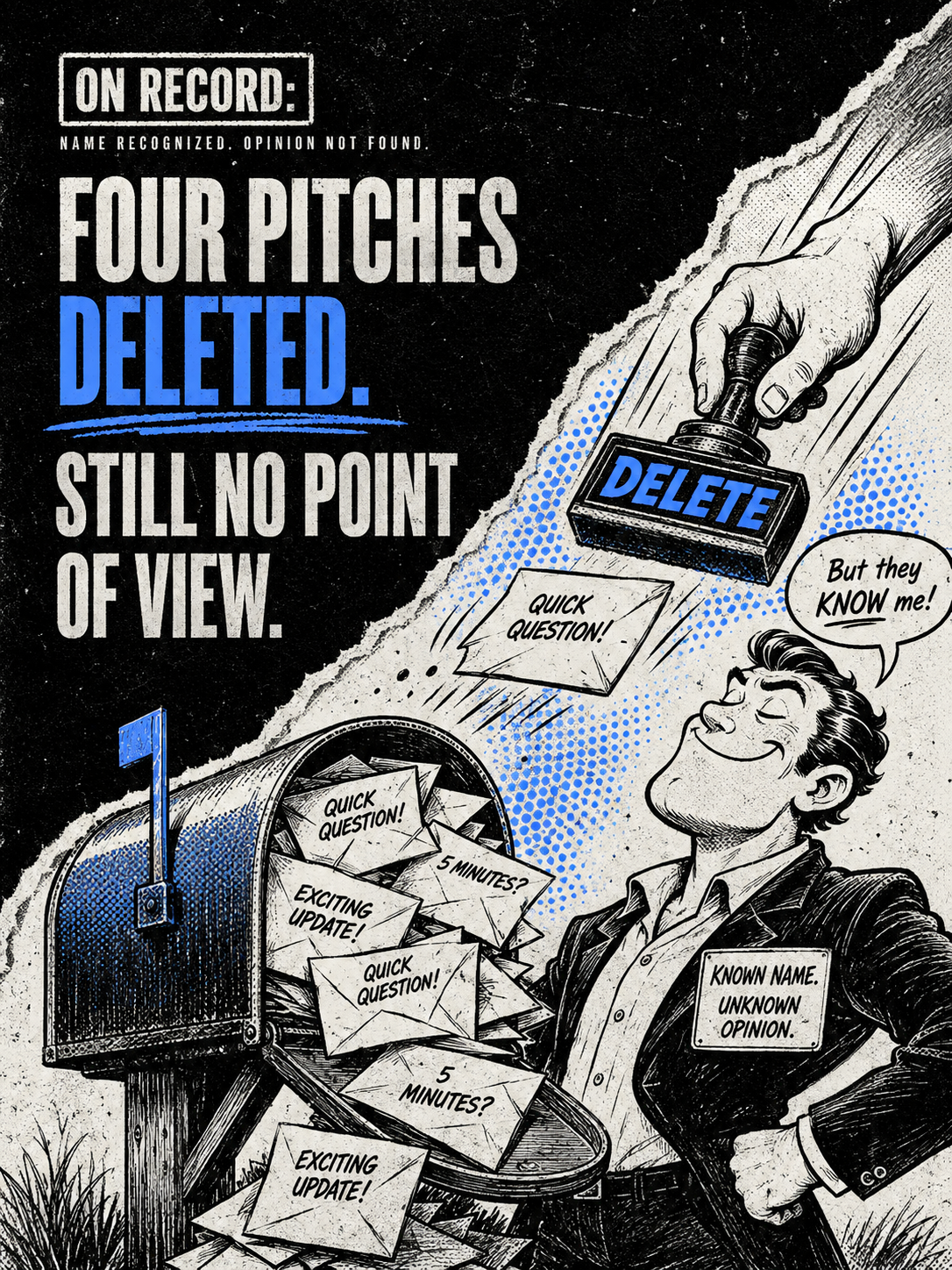
Here's the part that stings: the journalist who's ignored your last four emails probably recognizes your name by now. They just have no idea what you actually think.
That's a thought leadership problem wearing a media relations costume. Most brands diagnose it as an inbox problem instead, which is understandable, because the inboxes are genuinely brutal. Cision's State of the Media research, built on more than 3,000 journalists across 19 markets, found over half of them receive 50-plus pitches a week. But crowding isn't why you're invisible. You're invisible because there's nothing on the record that tells a reporter what you'd say if they called.
Let me translate the silence for you. It isn't rejection. It's a filing decision made in about four seconds by someone who has never had a reason to file you anywhere.
Why Thought Leadership Beats Pitching for Press Coverage
Thought leadership sounds like a phrase invented by a LinkedIn ghostwriter, and honestly, half the time it was. But the underlying mechanic is real and it's ruthlessly practical: journalists don't quote companies, they quote people who have already said something interesting in public.
That's the whole trick. When your position exists before the pitch does, the reporter isn't evaluating a cold claim from a stranger. They're evaluating whether to use a source they've already seen being right about something.
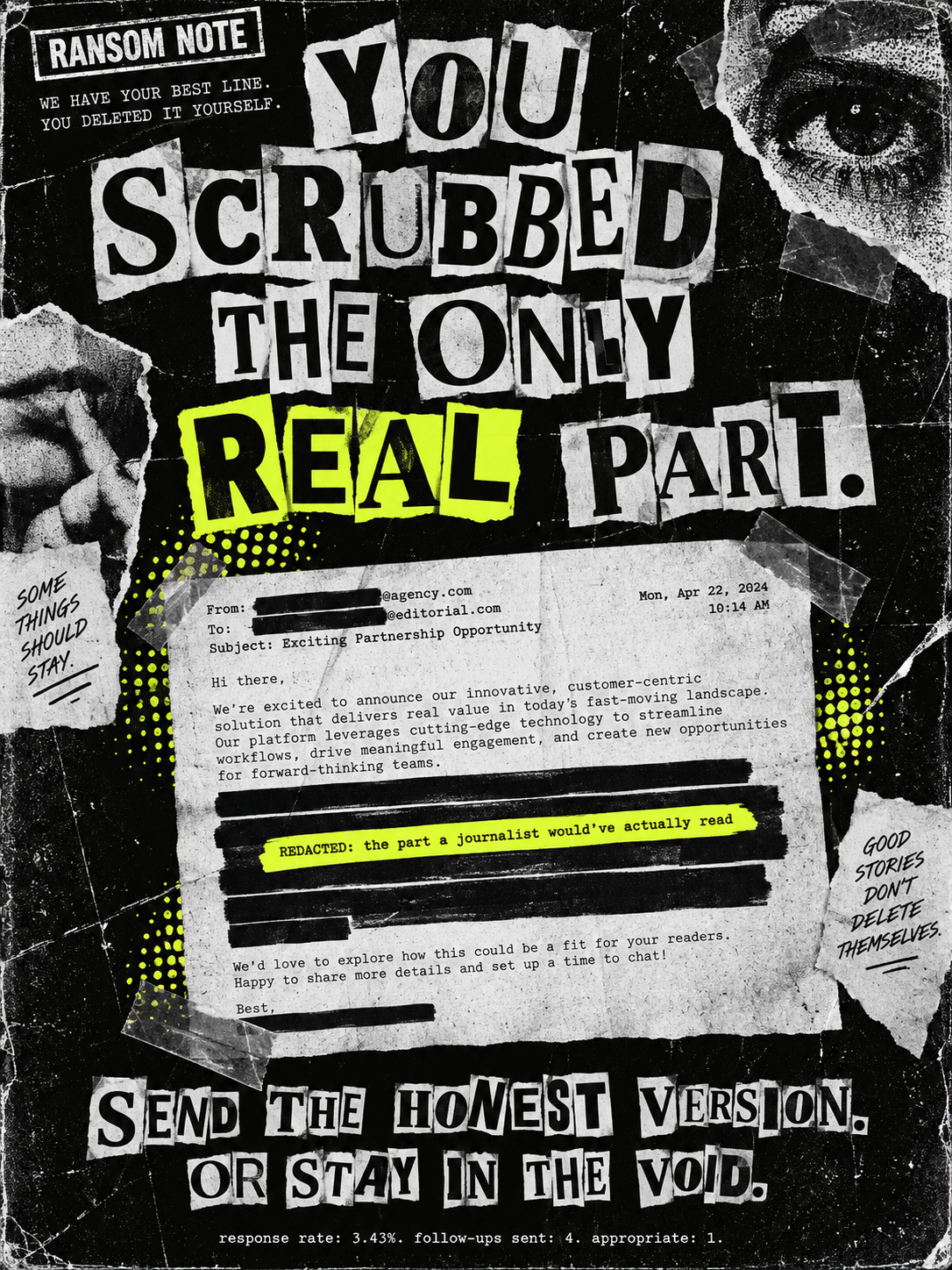
Muck Rack's State of Journalism 2026 report puts a number on the alternative. 88% of journalists delete pitches that miss their beat. Not skim. Not a flag. Delete.
Then comes the twist that should make you hopeful rather than miserable: 86% of those same journalists say PR pitches inspire at least some of their stories. The door's open. It's just narrow, and most people are trying to walk through it sideways while yelling about a funding round. If you want the forensic version of what gets deleted, here's the breakdown on why even polished pitches get skipped.
Why Media Coverage Without a PR Strategy Doesn't Convert
Plenty of brands land the placement and then absolutely nothing happens. No calls. No pipeline. Just a screenshot in a group chat and a slow, creeping suspicion that this was supposed to feel different.
That's what media coverage looks like when it's treated as the finish line instead of a signal:
- One-off mentions nobody follows up on
- Traffic spikes with the staying power of a sneeze
- Visibility that never converts into trust
Coverage is not credibility. It's evidence of credibility that already existed. If there's nothing underneath, the placement just tells a larger audience that there's nothing underneath, faster and with better typography.
This is the line between a PR strategy and a media list. One is a decision about what you're known for. The other is a spreadsheet you paid for.
What Real Thought Leadership Actually Looks Like
Not the beige posts. Not the "excited to share" genre. The real version is narrower and more uncomfortable than most brands are ready for:
- A position with a real edge, including the one that will annoy someone in your category
- Founder commentary on industry shifts, published consistently, not when a launch happens to need it
- Original data or a specific lens a journalist can build a story on top of
- Repetition. The same point of view, held long enough that people start associating it with you
That last one is where most authority programs quietly die. Everyone wants the media coverage at the end of it. Very few want the long stretch of saying the same true thing to a small audience first. The founder-specific version of this is broken down here.
The trust math backs it up. The Edelman Trust Barometer, surveying roughly 34,000 people across 28 countries, found seven in ten are unwilling or hesitant to trust someone whose values, background, or information sources differ from their own. Nobody's handing trust to strangers anymore. They extend it to names they already recognize. A cold pitch is, structurally, a stranger with a request.
How Thought Leadership Turns Press Coverage Into Something Automatic
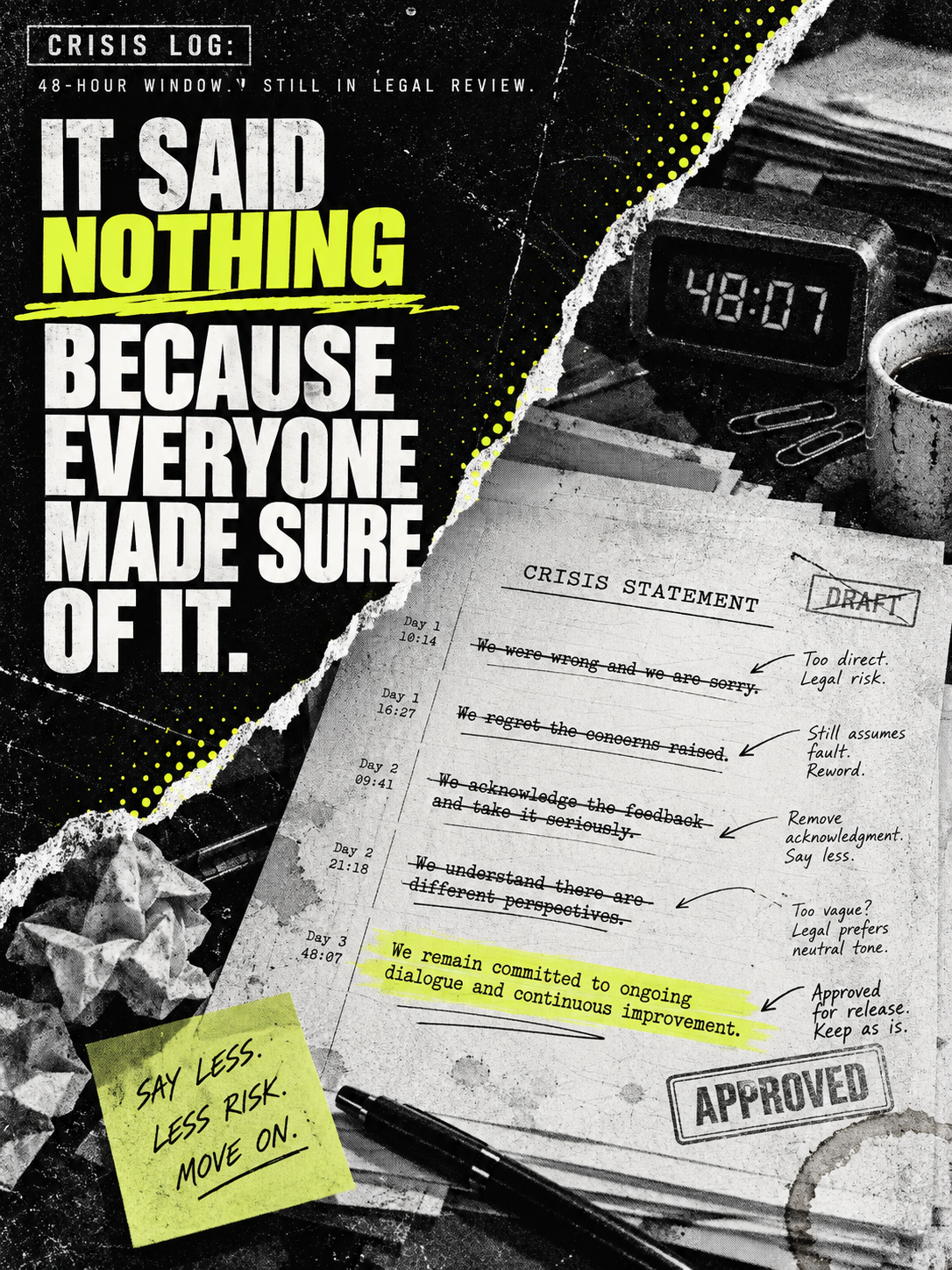
When the point of view is public and consistent, the sequence flips:Journalists reference your insight without being asked, because you're already inside the conversation they cover
- Journalists reference your insight without being asked, because you're already inside the conversation they cover
- AI answer engines surface your material in summaries. Muck Rack's analysis of more than a million cited links found that earned media accounts for the overwhelming majority of AI citations, not brand-owned pages
- Audiences start attaching your name to a specific expertise rather than a vague category
That middle point deserves a longer pause than it usually gets. Every AI-generated answer your buyers now read is assembled from third-party credibility signals, not your homepage. Which means press coverage stopped being a vanity metric and became infrastructure. Brands with no editorial footprint don't just lose the article. They lose the summary the article feeds.
How to Fix a PR Strategy That Isn't Getting Press Coverage
None of this requires a rebrand. It requires a decision about what you're willing to be known for, and then the patience to keep saying it.
- Sending more pitches won't help. You can't out-volume a relevance filter, and every extra email to the wrong beat teaches that reporter to skim past your name faster next time.
- Position first, pitch second. Always that order. The PR strategy works when the reporter already has context on you, and context can't be manufactured inside a subject line.
- Pick the take you're slightly nervous to publish. That's usually the one worth publishing. Safe opinions don't get quoted, they get scrolled past.
Stop chasing the press. Build a point of view worth quoting and let the press coverage come looking for you.
Most brands don't have a visibility problem, they have a point of view problem. Don't Be A Little Pitch fixes the second one first.
FAQ
What is thought leadership in PR?
It's publishing a consistent, specific point of view so journalists, buyers, and search engines can identify what you're an authority on. It's the difference between a company that sends pitches and a source reporters call when a story breaks in your category.
Does thought leadership actually get you press coverage?
Yes, indirectly. It doesn't replace outreach, it makes outreach work. Muck Rack's research shows 88% of journalists delete pitches that miss their beat, and a documented point of view proves relevance before you ask for anything.
How long does thought leadership take to work?
Longer than most people budget for. What produces results is consistent publishing over time, not a burst around a launch. Brands with existing visibility convert faster because the journalist isn't evaluating a cold claim.
How do I start thought leadership if I don't have an audience yet?
Start with a position you can defend and publish it where your industry already gathers. Audience size matters less than specificity. A small following that includes three reporters on your beat beats a large, generic one.
What's the difference between thought leadership and content marketing?
Content marketing is built to attract and convert an audience. Thought leadership is built to establish authority, which is also what earns media coverage. Content marketing can succeed while saying nothing controversial. This can't.
How do I measure thought leadership?
Track inbound quote requests, referral traffic from third-party placements, backlink quality, and whether your brand shows up in AI-generated answers for your category. Impressions tell you. These tell you whether the authority is real.


60-Day Performance Guarantee
PR only works if it builds momentum fast. If we do not secure 2 meaningful earned media features and line up 3 additional opportunities within 60 days, you get a full refund.

Free Authority Score Checker
Check your online reputation and authority score for free and see how you stack up and get custom tips to improve instantly.




.png)