Thought Leadership Is the Only Future-Proof PR Strategy Left, and I Have Receipts

TLDR:
- Thought leadership and founder visibility compound over time. A single campaign doesn't, no matter how good the launch deck looked
- PR systems beat one-off stunts because they don't require reinventing the wheel every single quarter
- AI can draft and structure. It cannot replace the human judgment that makes a pitch actually land
- Brand trust is quietly outperforming attention-chasing, and the data backs it up
- Real brand authority is the result of all of this done consistently, not a separate move on its own
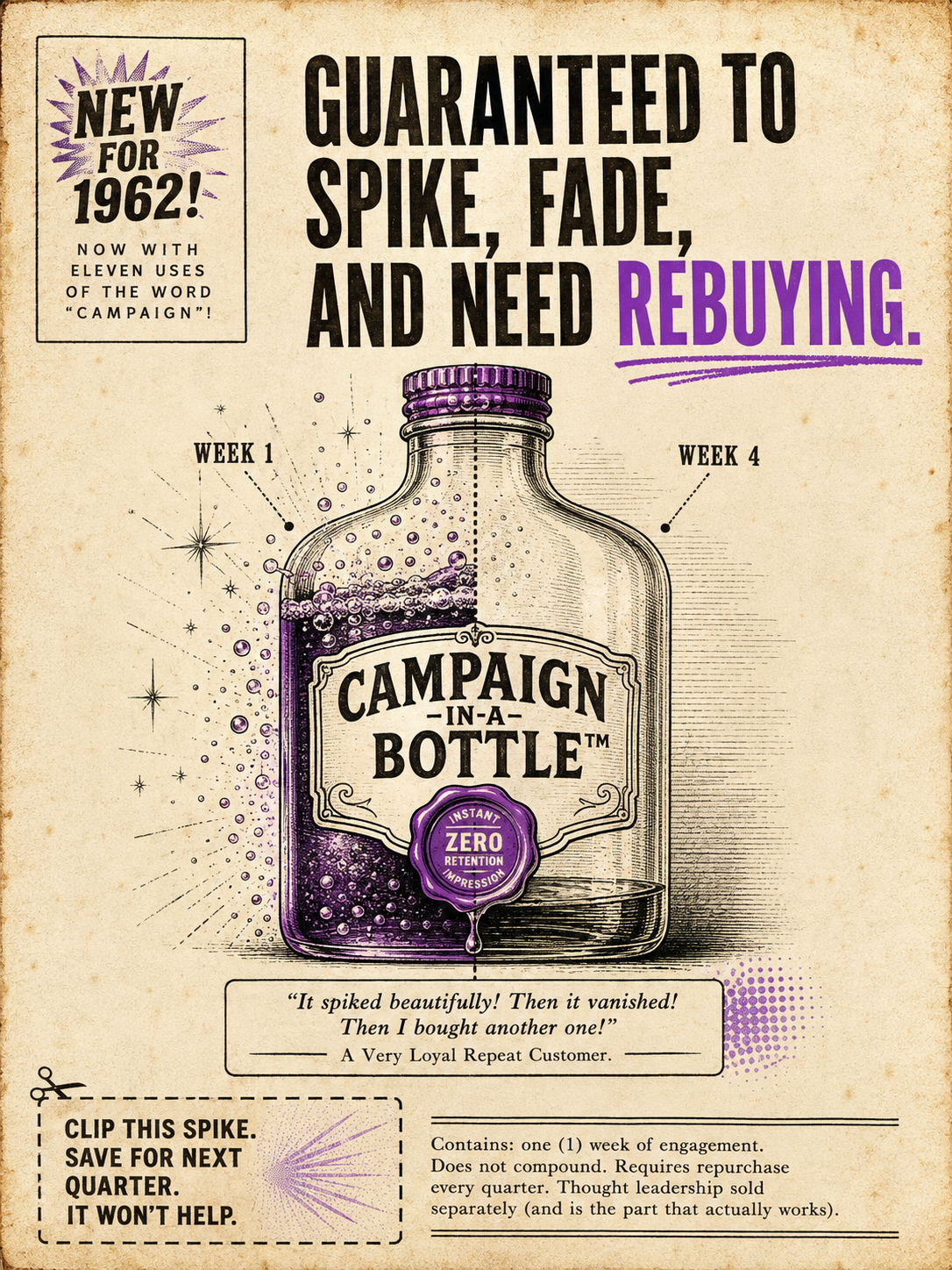
I used to sit in meetings like this. Someone pulls up a deck, says "campaign" eleven times in twenty minutes, and everyone nods like we haven't done this exact campaign before under a slightly different name. Three months later the results roll in, engagement spikes for a week, and then it's gone, and nobody in that room ever asks why nothing carried over.
This triggered something in me, honestly, because I've watched brands treat every quarter like day one. No memory. No compounding. Just a fresh campaign built to be forgotten right on schedule. Meanwhile the brands actually winning aren't doing more campaigns. They're building thought leadership, and they stopped being loud about it a while ago because they didn't need to be.
Build Thought Leadership, Not Another Campaign
Here's the thing nobody says with a straight face in a strategy meeting: campaigns don't compound. Consistent, credible expertise does. A brand that shows up with a real point of view, again and again, builds something a single flashy launch never will.
Thought leadership and founder visibility are the actual engine here, not a nice-to-have bolted onto the media plan. 76 percent of business decision-makers say thought leadership content genuinely helps them make better decisions, and 73 percent trust it more than a brand's own marketing materials, according to thought leadership research compiled by DSMN8 and B2B thought leadership statistics from CO Consulting.
That's not a branding nicety. That's the audience directly telling you what earns their trust, and it's not the launch video.
PR Systems Beat Reactive Tactics, Every Time
This is the part that finally clicked for me after enough of those campaign meetings. Sustainable PR is not a series of clever, disconnected stunts. It's a system: content, positioning, and distribution, built once and repeated on purpose instead of reinvented under deadline every single time something needs to ship.
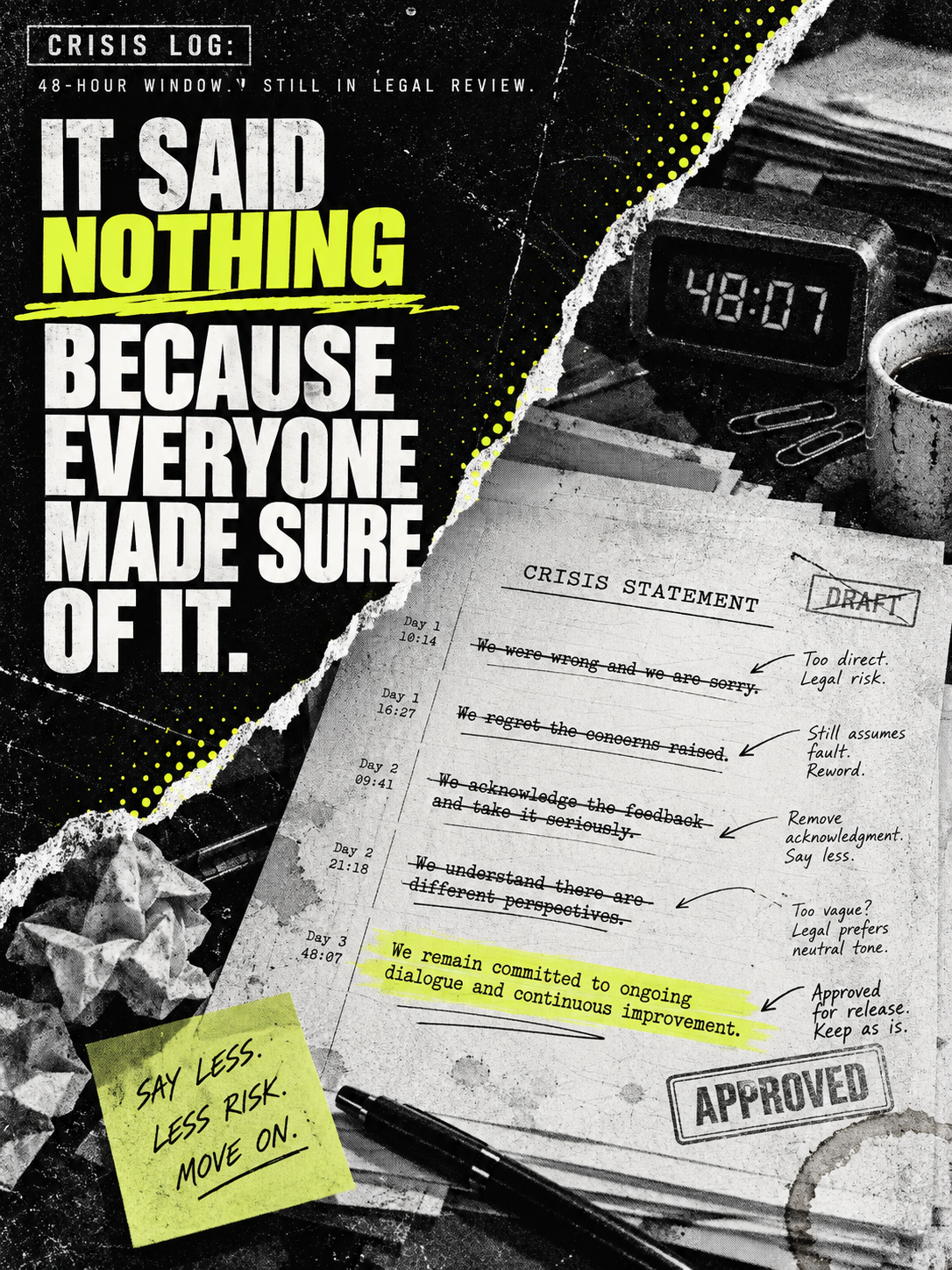
PR systems scale in a way tactics never do, because a tactic solves this week's problem and then disappears, while a system keeps producing results long after the person who built it has moved on. If your brand is still hedging every message until it says nothing, this piece on why safe messaging is killing your brand communication explains exactly why that caution is costing more than it's protecting.
How to Use AI in PR Without Losing the Human Part
We really said this with a straight face in a meeting once: "AI can handle strategy too, eventually." No. It can't. AI accelerates execution, full stop, it drafts faster and restructures cleaner than any of us ever could on a Tuesday afternoon. What it still can't do is know when a pitch needs restraint instead of another paragraph, or when a founder's actual fear in the room isn't the one they said out loud.
67 percent of B2B marketers say original, human-led research remains more valuable than AI-generated content for building trust and credibility, according to B2B thought leadership research from TopRank Marketing. Who approved the version of "AI strategy" where judgment gets outsourced entirely, and are they okay? Use AI to scale clarity. Don't hand it the actual decision-making.
Optimize for Brand Trust, Not Attention
Audiences are exhausted by noise, and it shows in how little a loud, attention-only play actually converts anymore compared to a brand that's just consistently, quietly credible. Brand trust has become the asset that actually compounds, while attention just spikes and fades, over and over, on a loop most teams never bother to interrupt.
If your team is still measuring wins by impressions instead of whether anyone actually believed the message, this breakdown of what's actually working in PR right now is worth passing around before the next planning cycle. It's the same conversation, just with better receipts.
How to Actually Future-Proof Your PR
Did we think this through, or are we still running the same four moves every brand ran last cycle? Here's what actually holds up:
Real brand authority isn't a separate move, it's what you end up with once thought leadership, trust, and systems have been running long enough to compound. Exposure fades, authority doesn't. AI supports the strategy, it does not replace the judgment behind it. Trust consistently outperforms hype, even when hype gets the better opening numbers. And systems scale in a way reactive tactics simply can't, no matter how clever any individual stunt looked in the pitch meeting.
Don't Be A Little Pitch exists because most brands can build one good campaign and have absolutely no plan for what happens after it ends. If that sounds a little too familiar, that's usually the actual gap worth closing.
FAQ
What does it mean to future-proof a PR strategy?
Future-proofing means building PR and marketing systems that adapt to changing media behavior, technology, and audience expectations, rather than relying on one-off campaigns or short-term tactics.
What is thought leadership and why does it matter for PR?
Thought leadership is content and commentary that positions a brand or founder as a credible expert in their field. It builds trust and media traction over time in a way single campaigns don't.
Should brands use AI for PR and content strategy?
AI is effective for drafting, research, and scaling content production, but strategic decisions, tone, and judgment calls still require human oversight to avoid generic or misaligned messaging.
Why does trust matter more than attention in PR right now?
Audiences are increasingly skeptical of hype-driven messaging and respond better to consistent, credible communication, which is why trust-focused strategies tend to outperform attention-chasing ones over time.
What does a PR system look like compared to individual tactics?
A PR system is a repeatable structure covering content, positioning, and distribution that runs continuously, rather than a series of disconnected, reactive campaigns built one at a time.



60-Day Performance Guarantee
PR only works if it builds momentum fast. If we do not secure 2 meaningful earned media features and line up 3 additional opportunities within 60 days, you get a full refund.

Free Authority Score Checker
Check your online reputation and authority score for free and see how you stack up and get custom tips to improve instantly.




.png)