Influencer Marketing Is the PR Play Most Ecommerce Brands Don't Know They're Running

TLDR:
- Influencer marketing is the biggest PR play your ecommerce brand is running by accident.
- Your ads sell. Your PR makes anyone believe the ad in the first place.
- Influencer collabs, content, sustainability messaging, and crisis management are all PR work, whether your team calls it that or not.
- The brands winning aren't spending more. They're making themselves worth covering.
- I used to sit in ecommerce strategy meetings that confused ad spend with brand strategy. Let's fix that.
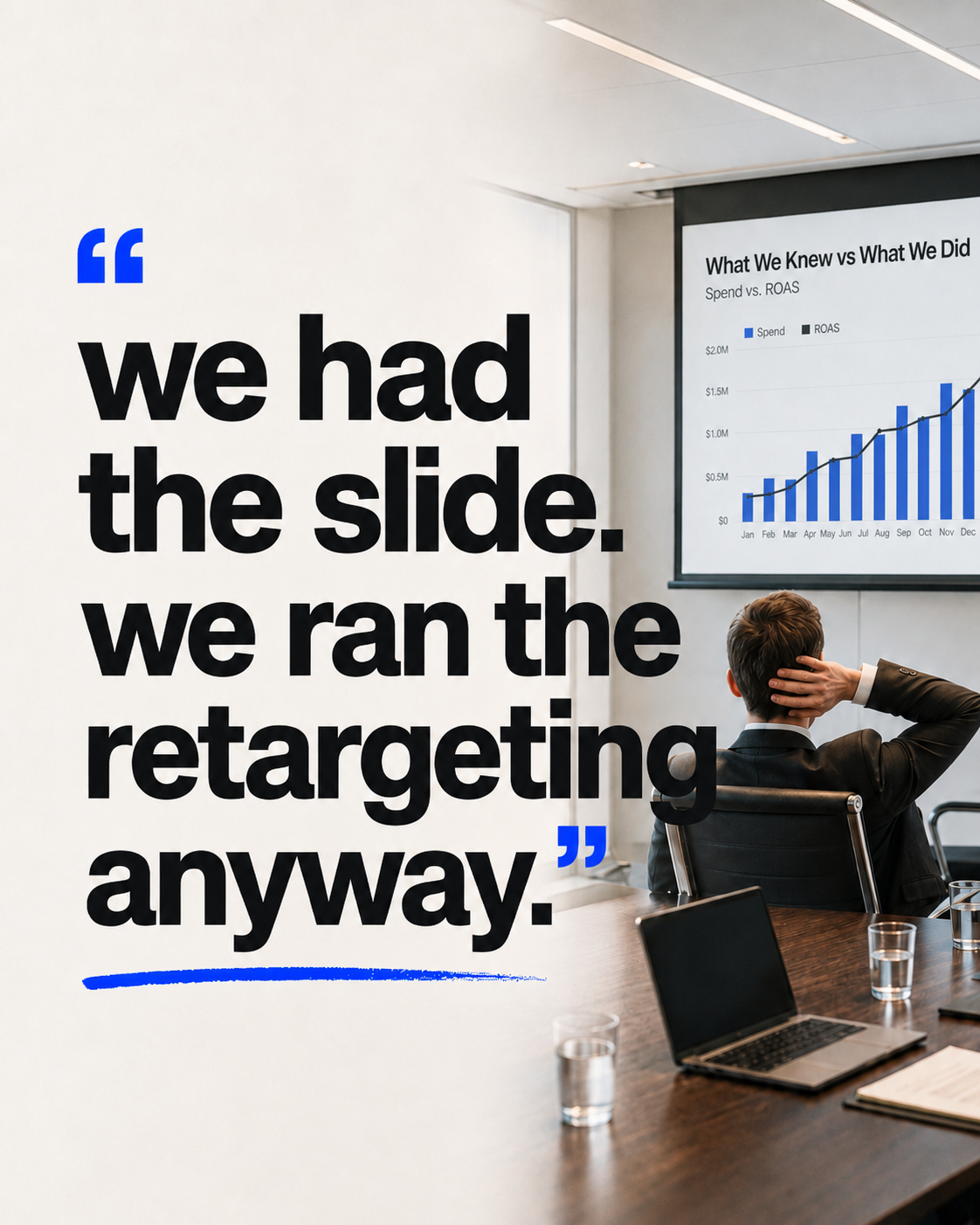
Someone sent me another corporate blog this week. About PR reshaping ecommerce, with a whole section on influencer marketing written like influencers were invented yesterday.
I used to sit in those meetings.
The ones where someone at a Shopify-stack brand asked what their PR strategy was, and the answer was a slide titled Brand Storytelling Framework that nobody in the room could explain in plain English. We really said all of it with a straight face.
Here's what influencer marketing and the rest of PR for ecommerce actually look like now, without the corporate translation.
What PR for Ecommerce Actually Means (Not the Slide Deck Version)
Old PR was press releases, trade pubs, and a media list that hadn't been touched since flip phones were still a personality. PR for ecommerce today is everything the public sees, says, or believes about your brand that you didn't pay for.
Influencer marketing content. Customer reviews. Press features. Podcast mentions. How you respond to a complaint on TikTok. The story behind your sourcing. Whether anyone trusts your founder's face.
If it shapes brand perception, it's PR. Most ecommerce founders are running PR campaigns by accident and calling them content.
Influencer Marketing Is Doing the PR Heavy Lifting for Ecommerce
Here's where most ecommerce brands are quietly running their biggest PR play without labeling it. Influencer marketing is the closest thing to old-school third-party endorsement the internet has produced.
A recent Nielsen Trusted Advertising Report found that consumer trust in influencers now sits at 67%, up from 61% the prior reporting period. For consumers aged 18 to 34, creator content now ranks as the single most trusted information source, beating search results and peer reviews for the first time on record.
Read that again. The most trusted media format for your buyers under 34 isn't your homepage or Google. It's a stranger talking about your product on their phone.
Fashion Nova built a multi-billion dollar empire on influencer marketing. Glossier started as a literal blog before it sold a single product. Neither got there with ads alone.
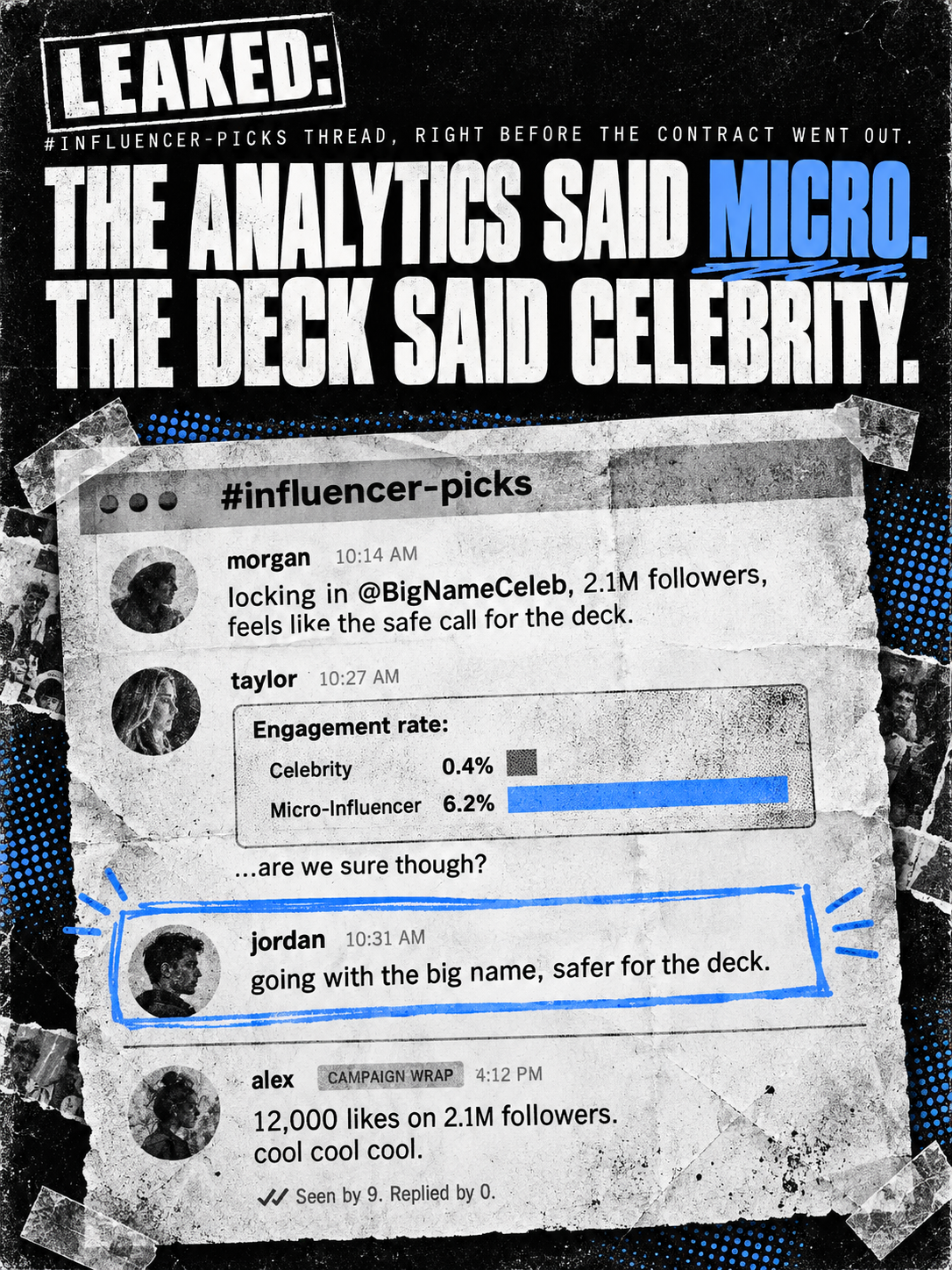
The catch: it only works when the creator-brand fit is real. Macro-tier fraud rates run as high as 48%, so partnerships that move product are the ones where the audience trusts the voice. That's PR strategy in disguise.
Content Marketing Is PR (Pretending Not to Be)
Content marketing might be the most under-credited PR vehicle ecommerce brands have.
When Beardbrand built a library of beard-care content years before creator economy was a phrase, they weren't running a content strategy. They were running a long-form PR campaign that called itself an editorial site. Their customers didn't just buy products. They subscribed to a worldview.
The blog post ranking for best protein powder for beginners is doing PR. The YouTube tutorial showing customers how to use your product is doing PR. The founder newsletter going out without selling anything is absolutely doing PR.
If your brand feels invisible despite the ads, the issue isn't budget. It's positioning. Read why your brand positioning is painfully boring and the journalists know it before spending more on algorithms.
Sustainability Messaging Has Become a PR Function
Sustainability isn't a marketing checkbox anymore. It's a PR responsibility.
PwC's Voice of the Consumer Survey found that shoppers are willing to pay an average of 9.7% more for sustainably produced goods, even with inflation pressing on household budgets. That premium isn't paid because the product is greener. It's paid because the brand earned trust on something other than its product.
Patagonia's Worn Wear program is the gold standard. They told customers to repair, reuse, and resell their own products. The brand perception gain dwarfed any ad campaign they could have run.
Brands leading on sustainability without making it the entire identity get real lift. The ones bolting it on as a single-quarter campaign get clocked immediately on TikTok.
Crisis Management Is Where PR Becomes Survival
The first three sections are the optimistic PR work. This one is the load-bearing wall.
Every ecommerce brand will face a moment when something goes wrong in public. Shipping disasters. Product defects. A founder tweet from years ago. Your PR isn't the press release you write afterward. It's the trust your brand already had on deposit before the thing happened.
Crisis management isn't really about the crisis. It's about the brand equity you built before there was a problem. Chewy turned shipping delays into customer-service stories because their PR foundation was strong enough to absorb the hit.
The brands that survive their worst week built enough goodwill in advance.
How These Pieces Actually Fit Together
Here's the part nobody puts in the corporate explainer. Influencer marketing, content, sustainability messaging, and crisis management aren't separate strategies. They're the same operation viewed from different angles. Your brand earns or loses trust through all of them at once.
For the signals that tell you whether it's working, here are the eight worth tracking.
Influencer marketing, content, sustainability, and crisis management aren't separate plays. They're the same PR infrastructure your brand sits on, viewed from different angles. The ecommerce brands scaling past the obvious phase aren't running more campaigns. They're earning the kind of trust their competition can't buy at any budget.
If your brand isn't being talked about in places you didn't pay for, the issue isn't the algorithm. It's that you haven't given anyone a reason to.
Don't Be A Little Pitch exists for the ecommerce brands ready to stop renting attention and start owning trust.
FAQ
What is PR for ecommerce?
PR for ecommerce is the strategic work of shaping how the public perceives your online brand without paying for placements directly. It covers earned press coverage, influencer partnerships, trust-driving content, values communication, and crisis response. Unlike paid ads, PR earns trust over time and compounds.
Why is influencer marketing important for ecommerce brands?
Because it's the closest thing to third-party endorsement at scale. Consumer trust in influencers sits above 67%, and for under-34 buyers, creator content beats search results and peer reviews as the most trusted information source. For ecommerce brands competing on perception, influencer marketing isn't a side channel. It's the most-trusted media format their audience interacts with.
How is PR different from marketing for an ecommerce brand?
Marketing drives action: clicks, conversions, sales. PR drives belief: trust, credibility, perception. Marketing tells people what your brand is. PR makes them believe it before you advertise. Treating both as the same function is how brands end up with high ad spend and zero brand equity.
Do small ecommerce brands actually need PR?
Yes, often more than larger ones. Small brands can't outspend established competitors on ads, so trust is the only lever that competes with budget. A well-placed feature, a credible creator partnership, or a sustainability story can move more product than a paid campaign three times the cost.
How do you measure PR for an ecommerce brand?
Track share of voice, sentiment, referral traffic from earned coverage, branded search lift, and conversion from press placements. Also track qualitative signals: are you being quoted as an authority, are creators talking about you organically, and is your brand showing up in conversations your audience already trusts.
60-Day Performance Guarantee
PR only works if it builds momentum fast. If we do not secure 2 meaningful earned media features and line up 3 additional opportunities within 60 days, you get a full refund.

Free Authority Score Checker
Check your online reputation and authority score for free and see how you stack up and get custom tips to improve instantly.




.png)