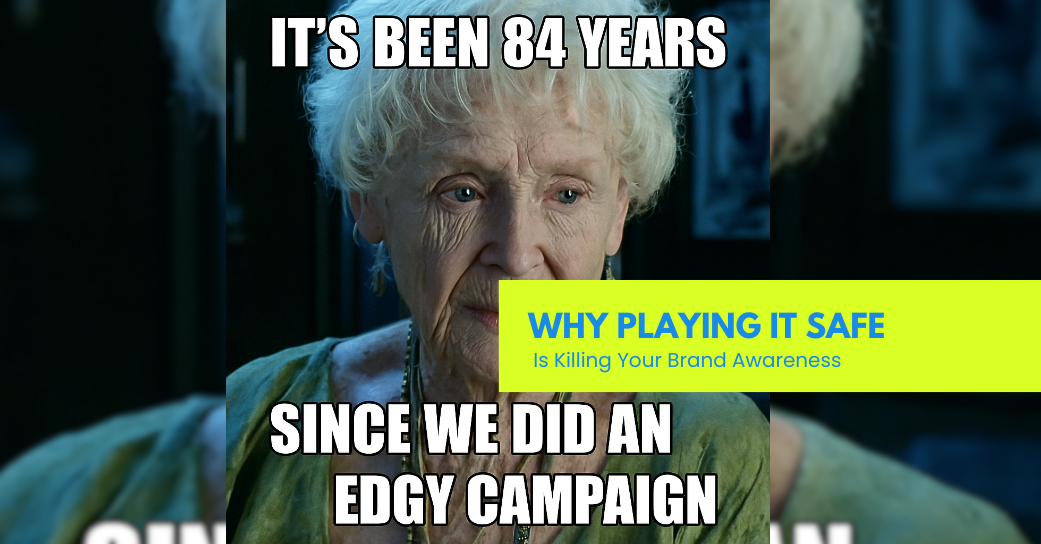
Why Playing It Safe is Killing Your Brand Awareness

Stop clutching your pearls. Playing it safe isn’t “strategic,” it’s brand suicide.
While you’re over there running everything through a 14-step approval chain, your bolder competitor just snagged the feature in Forbes you’ve been drooling over. Spoiler: cautious brands don’t get remembered, they get ignored.
Playing it safe feels responsible. It feels polished. It feels like the smart thing to do, especially in crowded industries where everyone is afraid of saying the wrong thing.
But in today’s media environment, safe brands don’t offend, and they don’t get remembered either.
Brand awareness doesn’t grow through neutrality. It grows through clarity. And clarity requires a point of view.
What “Playing It Safe” Really Looks Like
Most brands don’t realize they’re playing it safe because it’s disguised as professionalism. It shows up as:
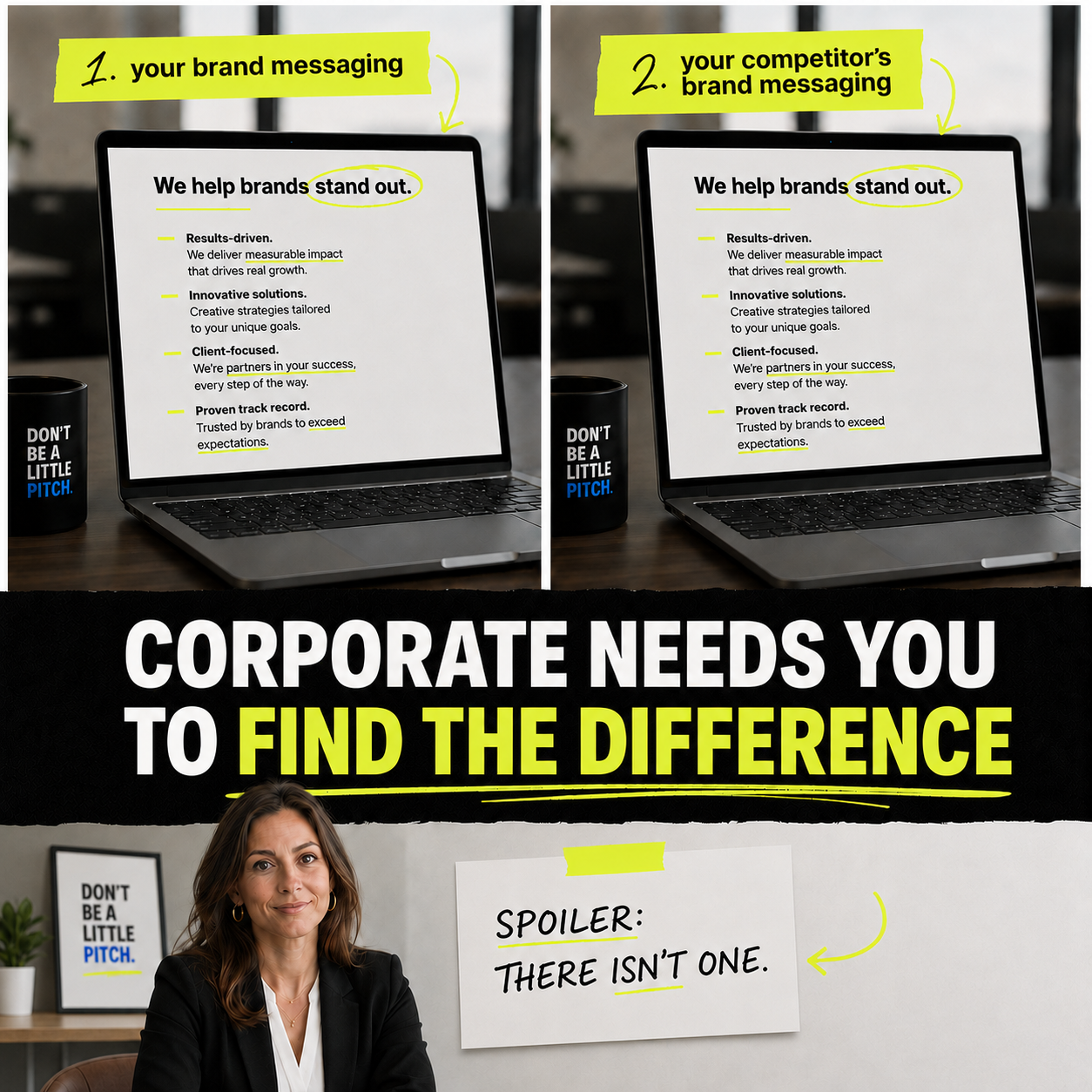
- Messaging that sounds like everyone else
- Over-polished positioning with no edge
- Generic claims like “innovative,” “leading,” or “customer-centric”
Nothing here is technically wrong. But nothing here is memorable either.
Why Safe Messaging Fails in Modern PR
Journalists, audiences, and AI discovery systems are all filtering aggressively. They don’t reward caution—they reward clarity.
When your messaging avoids specificity, it creates friction:
- Journalists don’t know how to frame your story
- Audiences don’t know why you matter
- AI engines struggle to summarize your relevance
This is why “safe” brands often feel invisible despite consistent activity.
Bold Doesn’t Mean Reckless
There’s a misconception that standing out requires controversy. It doesn’t.
Bold branding is about:
- Taking a clear stance on what you believe
- Defining what you’re not for
- Communicating with conviction instead of hedging
Clarity is safer than ambiguity, because it attracts the right audience instead of confusing everyone.
How to Shift from Safe to Strategic
To move out of “safe mode,” brands need to ask:
- What opinion do we hold that others avoid saying?
- What perspective have we earned through experience?
- Where can we simplify instead of softening?
These questions sharpen positioning and give PR teams something worth pitching.
The Cost of Playing It Safe
- Neutral brands fade into the background
- Clarity improves recall and coverage
- Conviction attracts attention
If your brand feels invisible, it’s not because you’re quiet—it’s because you’re indistinct.
60-Day Performance Guarantee
PR only works if it builds momentum fast. If we do not secure 2 meaningful earned media features and line up 3 additional opportunities within 60 days, you get a full refund.

Free Authority Score Checker
Check your online reputation and authority score for free and see how you stack up and get custom tips to improve instantly.




.png)