Audience Targeting Is the Only Brand Awareness Strategy That Actually Works

TLDR:
- Audience targeting isn't a nice add-on to a visibility plan, it's the whole plan, and most brands still treat it like an afterthought
- Brand awareness doesn't grow because you posted more. It grows because the right people actually saw something worth remembering
- Most PR errors aren't dramatic blowups, they're quiet, misaimed content that never had a chance of landing
- Earned media only works as hard as the targeting behind it, a brilliant placement in front of the wrong audience is still a miss
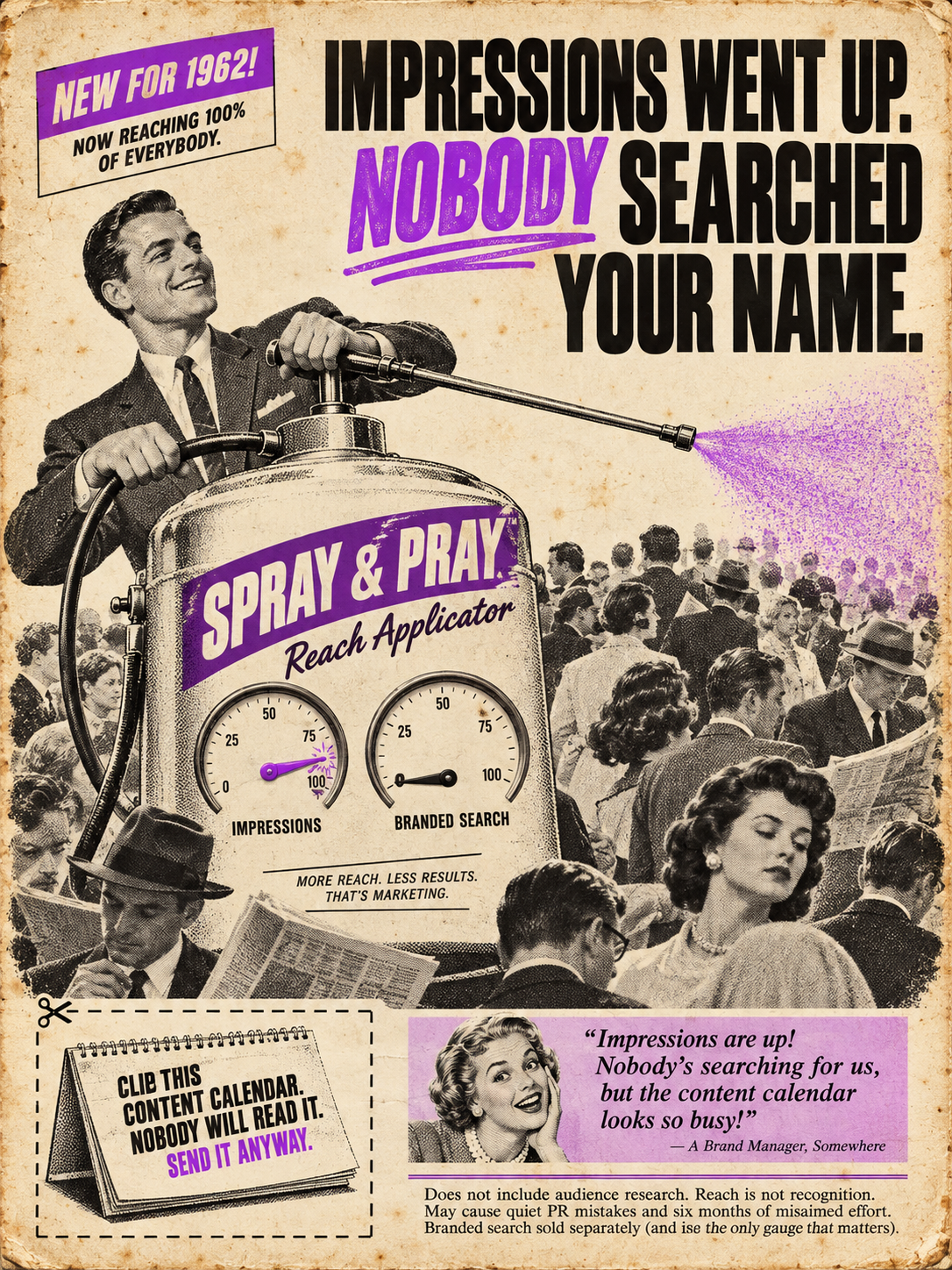
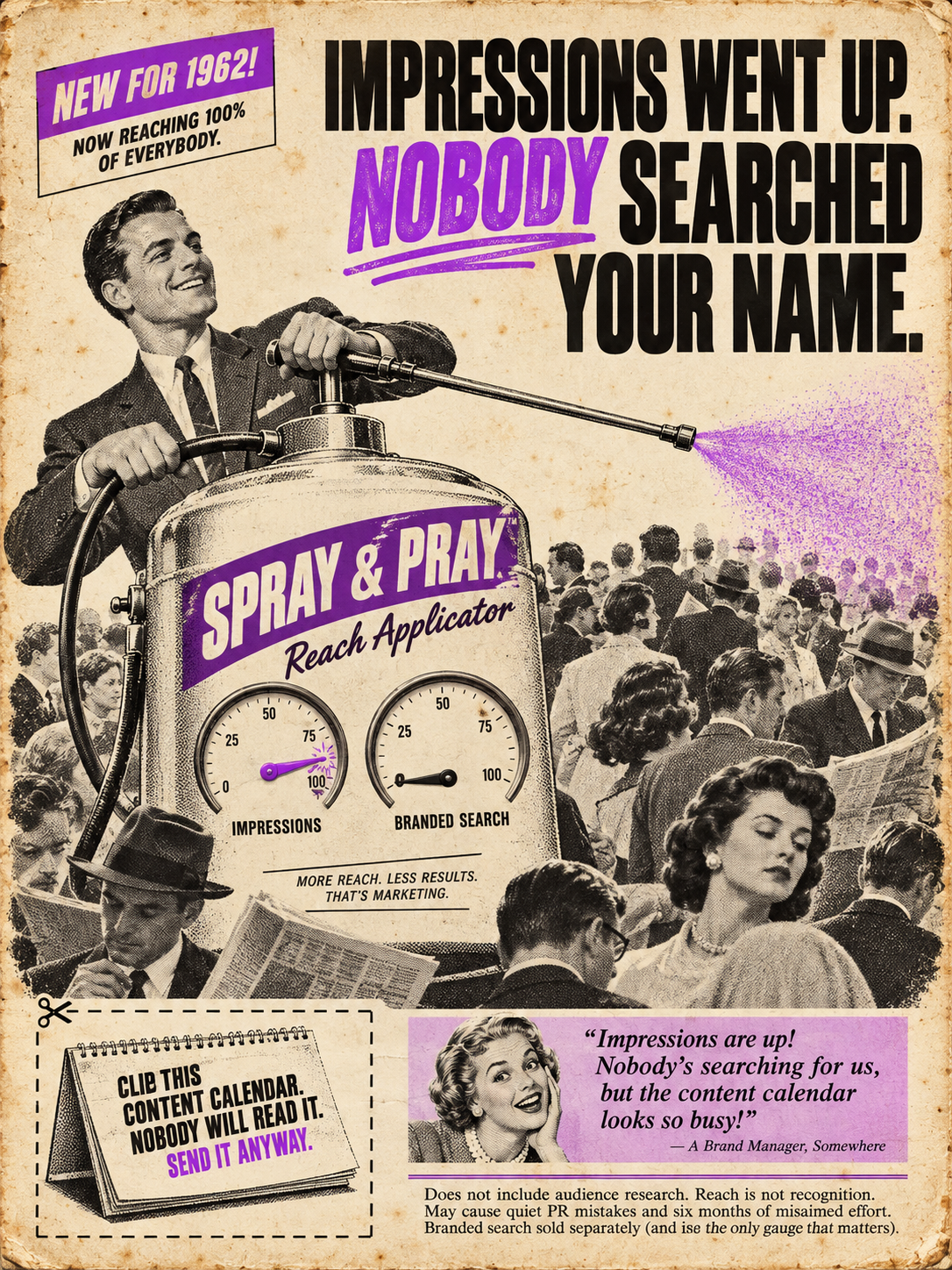
Let's just say it. Somebody's visibility strategy is currently held together with duct tape and a content calendar nobody actually reads, and it's probably not just one somebody. Most brands treat brand awareness like a volume problem. Post more, pitch more, show up more. Meanwhile the actual problem was sitting there the whole time, quiet, boring, and completely ignorable until it wrecked six months of effort.
Here's the part that should sting a little. None of that volume matters if it's landing on the wrong people, and that's the sentence most content calendars are built to avoid hearing.
The Audience Targeting Problem Hiding Inside Every Brand Awareness Strategy
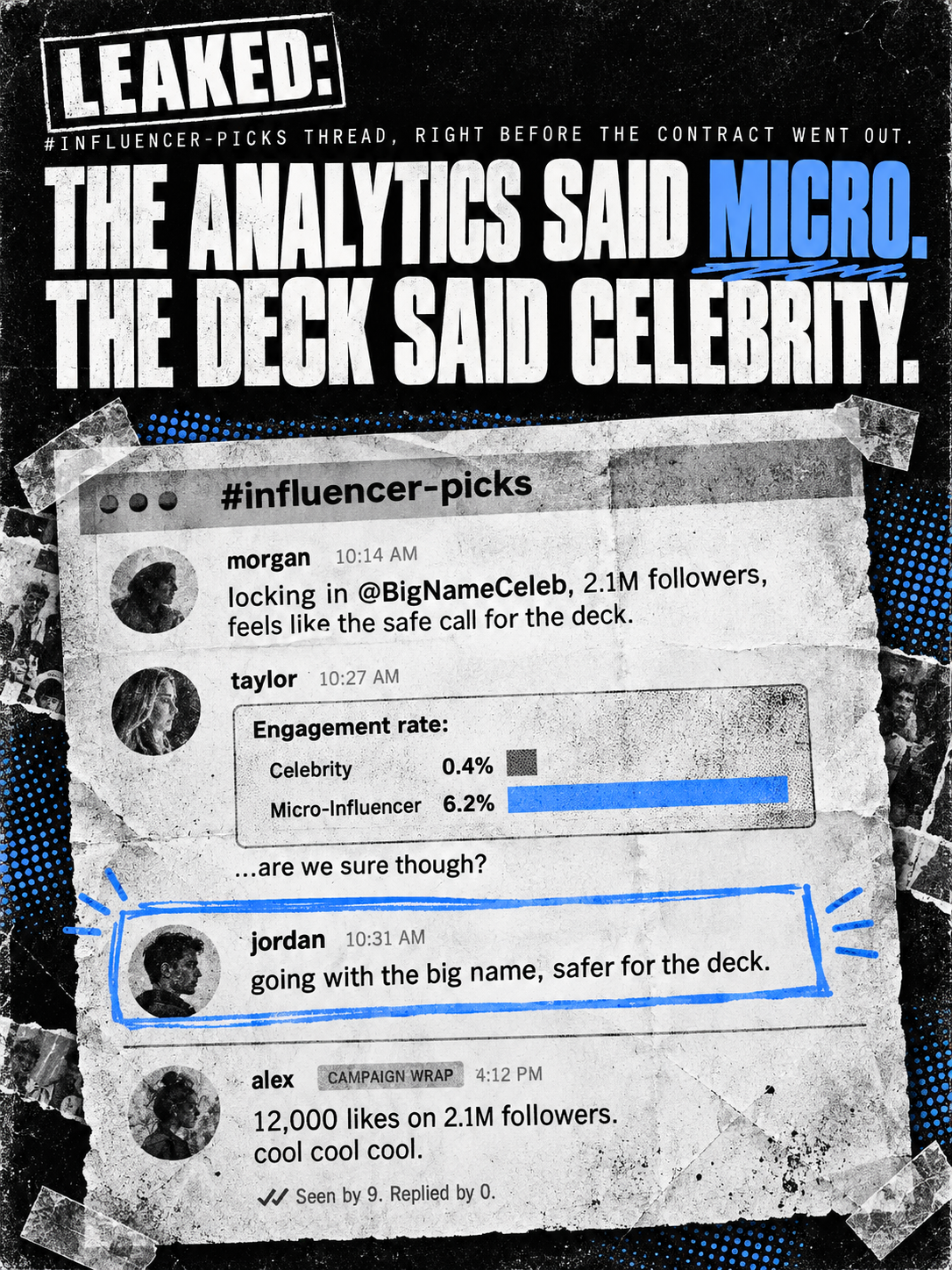
Audience targeting is the actual plan, not a box to check after the content's already written. Reaching more people is not the same as reaching the right people, and brands that skip this step end up with impressive reach numbers and zero actual traction to show for it.
90 percent of in-house PR teams say they struggle to generate enough quality content, according to PR statistics research from Avaans Media. Read that again. The struggle isn't quantity, it's quality, and quality starts with knowing exactly who the content needs to reach before a single word gets written.
Why Audience Targeting Beats Spray and Pray, Every Time
Here's a sentence that shouldn't need saying out loud in the current year, but apparently still does. More impressions is not the same as more recognition. 81 percent of marketers say quality content drives more success than publishing frequently, according to content marketing statistics from Marketing LTB. That's not a vibe. That's marketers, collectively, admitting the spray-and-pray approach stopped working a while ago and most of them already know it.
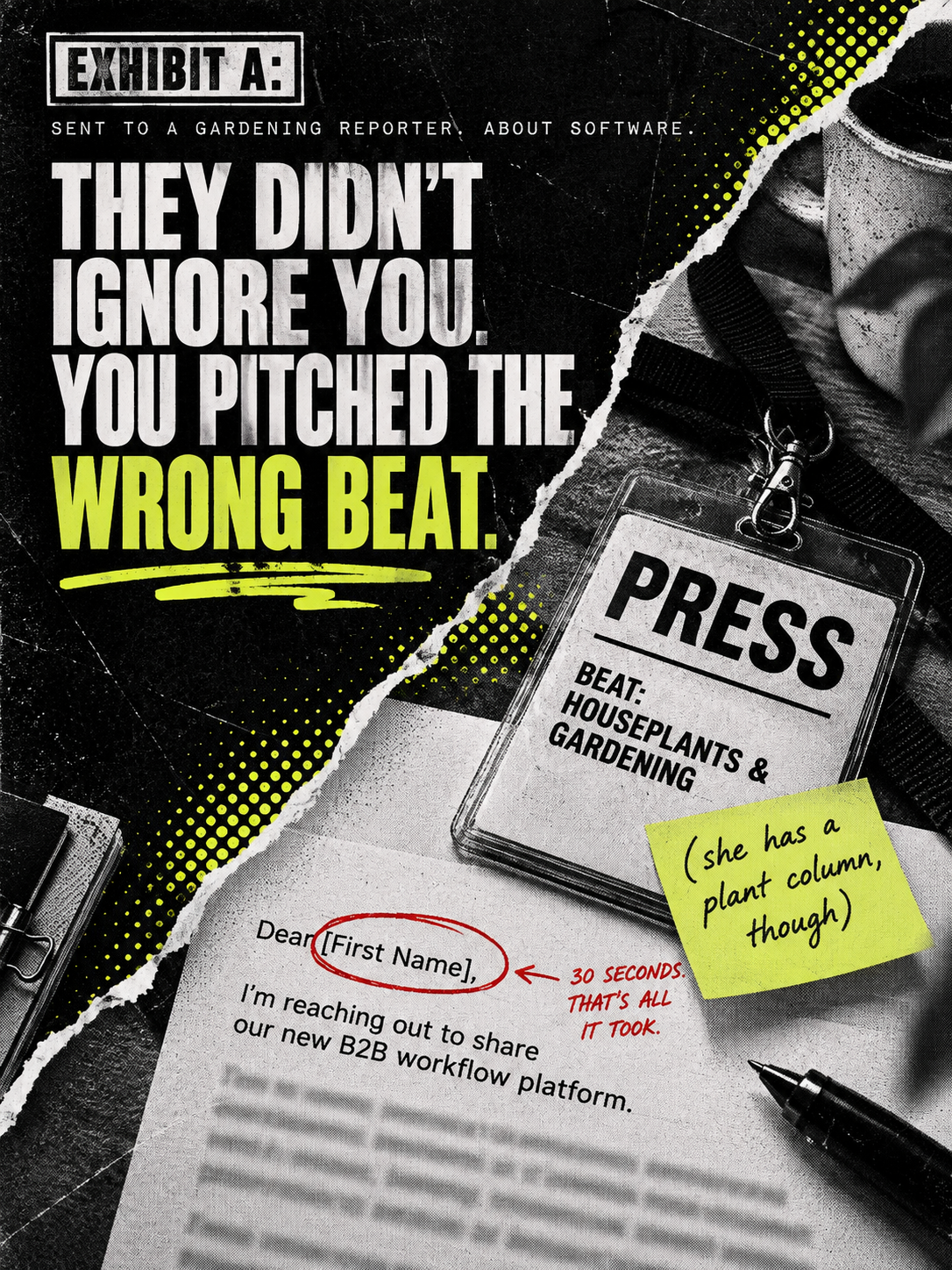
If your pitches and content still read like they're aimed at everyone and therefore nobody, this breakdown of what a real PR pitch hook looks like covers exactly where that disconnect usually starts.
PR Mistakes Are Rarely Dramatic, They're Just Misaimed
The biggest PR mistakes rarely look like mistakes in the moment. They look like shortcuts. Skipping audience research because the deadline's tight. Publishing content without an actual strategy behind it because something needed to go out today. Prioritizing how much got published over whether any of it actually landed anywhere.
These are, according to content marketing mistake research from SirMarketer, the exact errors eating brand visibility right now: skipping the research phase, publishing without a real plan, and chasing quantity while quality quietly rots in the corner. All three trace back to the same root cause. Nobody nailed down the audience first.
Earned Media Still Needs Audience Targeting to Mean Anything
Earned media gets treated like a bonus most of the time, something nice that happens when the paid stuff is already working. That's backwards, and it's also missing the actual mechanism. A brilliant placement means nothing if it lands in front of an audience that was never going to care, which is exactly why targeting has to come before the pitch, not after the coverage runs.
Branded search volume, meaning how often people are specifically searching for your brand name, is one of the clearest signals that earned media and visibility efforts are actually reaching the right people, according to brand awareness campaign research from Venture PR. If nobody's searching your name after the coverage runs, the placement didn't build awareness. It built noise that evaporated.
A single bad news cycle can also undo a mountain of good earned coverage fast, which is exactly why reputation management isn't a separate conversation from targeting the right audience, it's the same conversation. This breakdown on protecting your reputation online is worth reading before the next big push, not after something goes sideways.
How to Actually Measure If Your Audience Targeting Is Working
Most brands measure brand awareness by how busy the content calendar looks, which is not a metric, it's a vibe wearing a spreadsheet. Real measurement means tracking branded search volume over time, watching whether earned media mentions are actually landing with the right audience, and checking whether engagement is coming from people who could plausibly become customers instead of just anyone scrolling past.
If the number going up is impressions and the number staying flat is branded search, that's not awareness. That's a brand shouting into a room where nobody wrote anything down, which is a targeting failure wearing a visibility costume.
The Bottom Line on Audience Targeting, Since Someone Had to Say It
Audience targeting was never the secondary consideration. It's the entire strategy, and most brands have been treating it like an afterthought for a while now. Fix the targeting, stop making the same quiet PR mistakes on repeat, and let earned media do the credibility work paid placement never could, now actually aimed at the people who were going to care in the first place.
Don't Be A Little Pitch exists because most brands can spot a sloppy targeting strategy the second they see it running somewhere else, and somehow never catch it in their own. If that sounds familiar, that's usually the exact thing worth fixing next.
FAQ
What is audience targeting in PR and marketing?
Audience targeting means identifying the specific group of people most likely to care about a message before creating or distributing content, rather than publishing broadly and hoping the right people see it.
Why does audience targeting matter more than content volume?
Because reach without relevance doesn't convert into recognition or trust. Content aimed at the right audience consistently outperforms a higher volume of content aimed at everyone.
What are the most common PR mistakes brands make?
The most common mistakes are skipping audience research before publishing, pushing out content without a real strategy behind it, and prioritizing how much gets published over whether any of it actually reaches the right people.
How do you build brand awareness without wasting budget?
By targeting the right audience instead of the widest one, prioritizing earned media and quality content over volume, and measuring results through signals like branded search growth rather than raw impressions.
How do you measure if audience targeting and brand awareness efforts are working?
Track branded search volume, earned media placements with real audience overlap, and engagement quality rather than just impressions or post counts, since those numbers can look strong while actual awareness stays flat.
60-Day Performance Guarantee
PR only works if it builds momentum fast. If we do not secure 2 meaningful earned media features and line up 3 additional opportunities within 60 days, you get a full refund.

Free Authority Score Checker
Check your online reputation and authority score for free and see how you stack up and get custom tips to improve instantly.




.png)