AI Search Has Quietly Made Traditional Rankings Optional, and GEO Is Why

TLDR:
- AI search has moved earlier in the discovery process than most content strategies have accounted for
- GEO, or generative engine optimization, is the practice of structuring content so AI systems can understand it, summarize it, and cite it
- Ranking well on Google no longer guarantees a brand shows up when someone asks an AI the same question
- The overlap between top Google links and AI-cited sources has narrowed considerably, and it keeps narrowing
- Authority beats volume. The brands showing up most in AI answers are not the ones publishing the most
Search behavior has changed, and it did not send out a press release first. AI search now shapes what people discover before many of them ever open a traditional search engine, and most websites are still optimizing for a version of search a growing share of their audience has quietly stopped using.
Roughly 35 percent of US consumers now use AI at the product discovery stage, compared to 13.6 percent who use traditional search, according to Similarweb's 2026 Generative AI Brand Visibility Index. The shortlist, in a meaningful number of cases, gets decided before anyone opens a search bar at all. Interestingly, the discipline built to address this shift already has a name.
Why AI Search Is Reshaping Discovery Before Google Even Opens
People increasingly ask AI tools for answers, summaries, and recommendations instead of clicking through a list of blue links. That shift means visibility is no longer just a ranking position on a results page. It is whether an AI system trusts a source enough to repeat it.
If your pitches and content already read like they were assembled by a system rather than written with intent, that same lack of clarity is exactly what limits visibility in AI search, since these systems extract and cite content the way a skeptical editor does, not the way a keyword tool does. Our breakdown of why your pitch sounds like a bot covers the writing side of this exact problem.
What Generative Engine Optimization (GEO) Actually Means
GEO prioritizes meaning over keyword density, which is a sentence that should unsettle anyone whose content strategy still revolves around hitting a target keyword count. AI systems reward content that defines concepts clearly, organizes itself into structured sections, and communicates a consistent point of view.
Sources might interpret this as a return to basic writing competence dressed up in new terminology. That interpretation is not entirely wrong.
The gap between what ranks and what gets cited has become difficult to ignore. Research tracking ChatGPT citations found that 28.3 percent of its most-cited pages have zero organic visibility in Google, and fewer than 10 percent of sources cited across ChatGPT, Gemini, and Copilot rank in the top ten Google organic results for the same query, according to GEO trend research from Erlin.
The signals that earned a page a strong ranking position have stopped correlating with the signals that earn it a citation.
Why Traditional SEO Rankings Quietly Stopped Being Enough
Classic SEO optimizes for position. GEO optimizes for comprehension, and the two goals overlap less than most content teams assumed they would. The overlap between top Google links and AI-cited sources has dropped from roughly 70 percent to below 20 percent, according to GEO research covered by LLMrefs, a gap that continues to widen as AI systems develop their own preferences for which sources they trust.
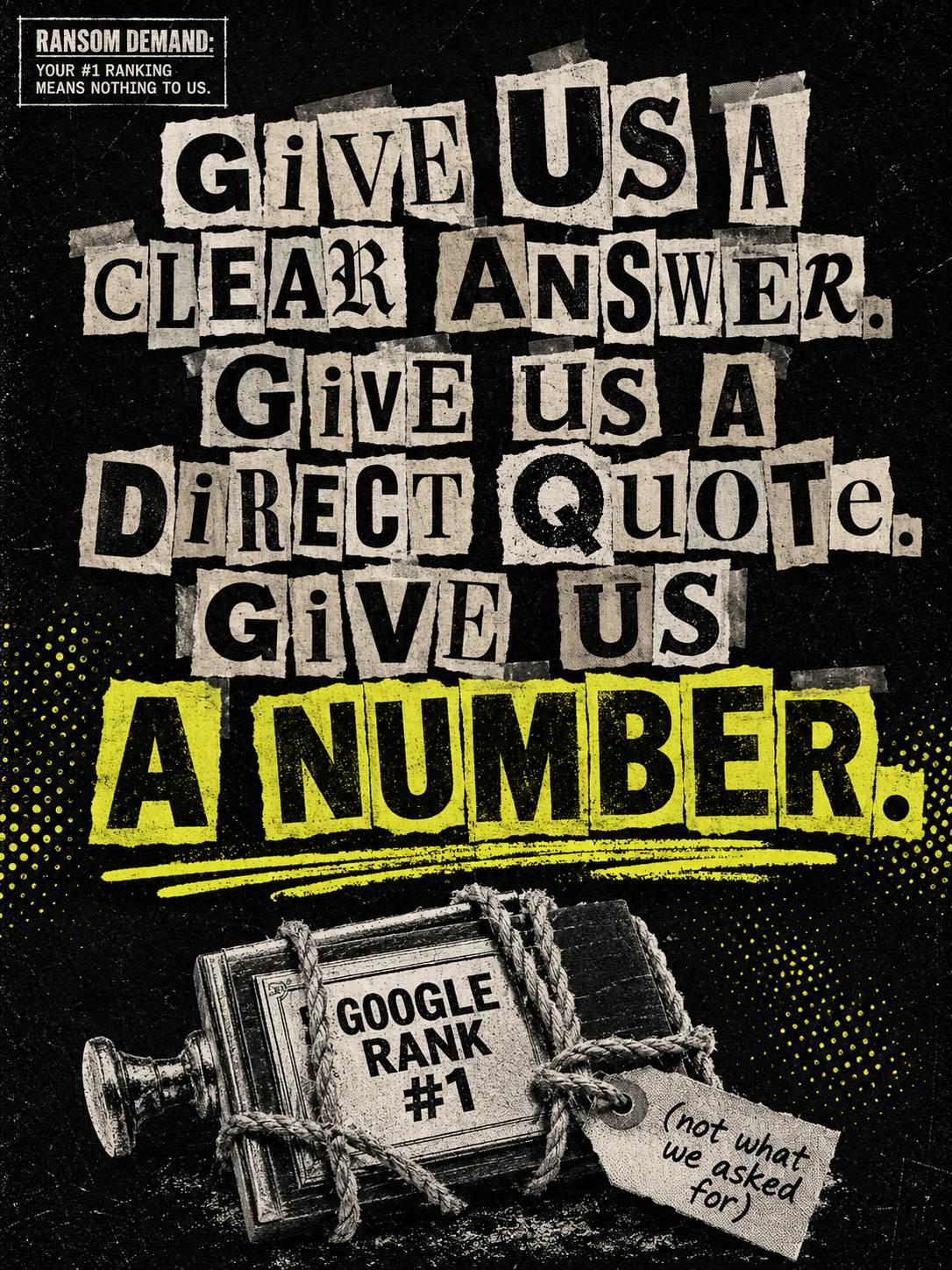
It remains unclear whether most brands have registered how significant that gap actually is. The same research found that pages using structured lists, direct quotes, and specific statistics saw visibility gains of 30 to 40 percent in AI-generated responses.
Long, unstructured paragraphs buried under throat-clearing introductions do not perform the same function they once did. They just make it harder for a system to extract anything worth citing.
How AI Visibility Actually Gets Earned
AI visibility is not a settings toggle. It gets earned the same way editorial credibility always has, through content specific enough that a system can extract a clean answer from it and confident enough in its sourcing that the system trusts what it finds. Vague explainer copy written to satisfy a word count does neither.
If you are still measuring PR success by placement count rather than whether that placement actually built citable authority, this breakdown of how to know if your PR efforts are working is worth reading before the next reporting cycle.
GEO and Generative Search Reward Authority, Not Volume
The brands surfacing most often in AI responses are not publishing more. They are publishing content clear enough to summarize correctly and specific enough to cite with confidence. Consistency beats scale here, which is an uncomfortable finding for any content calendar built entirely around output volume.
Generative search systems favor comparison content, expert quotes, and clearly sourced statistics over generic explainer copy, which means the era of publishing thin content purely to hit a cadence target is not aging well.
The Bottom Line on AI Search, Whether the Industry Likes It or Not
If an AI system cannot explain your content clearly, the audience reading its summary will not understand your brand either. That is not a hypothetical risk. It is already happening to websites with strong traditional rankings and no citation presence to show for it.
GEO is not a replacement for SEO, but it is no longer optional alongside it, and AI search is the reason why. The brands treating this as a future problem are the same ones that will spend next year explaining a traffic gap nobody warned them about, mostly because nobody wanted to say it plainly.
Don't Be A Little Pitch exists because most brands can tell something changed in how they get discovered, they just haven't figured out what to do about it yet. That gap is usually worth a second look before it gets more expensive to close.
FAQ
What is AI search and how is it different from traditional search?
AI search refers to how people find information through AI tools like ChatGPT, Google AI Overviews, and Perplexity, which generate direct answers rather than a list of links. It relies on different content signals than traditional search ranking does.
What is generative engine optimization (GEO)?
GEO is the practice of structuring content and online presence so AI systems can understand, summarize, and cite it accurately when generating answers.
Why does my content rank well on Google but not appear in AI search results?
AI systems weigh clarity, structure, and citability differently than search engine ranking algorithms do. Content can rank highly through traditional SEO signals while still lacking the structure or specificity AI systems need to extract and cite it.
What kind of content performs best in AI-generated answers?
Content with clear definitions, structured sections, direct quotes, and specific statistics tends to get cited more often than long, unstructured explainer content.
Do I need to abandon SEO to focus on AI search and GEO?
No. GEO builds on SEO fundamentals rather than replacing them. Both remain relevant, since traditional search and AI-driven discovery currently coexist.



60-Day Performance Guarantee
PR only works if it builds momentum fast. If we do not secure 2 meaningful earned media features and line up 3 additional opportunities within 60 days, you get a full refund.

Free Authority Score Checker
Check your online reputation and authority score for free and see how you stack up and get custom tips to improve instantly.




.png)