Wait, You Thought Any Influencer Marketing Would Work?

TLDR:
- Not every creator with a following is a fit. Influencer marketing that works is chosen on alignment, not follower count
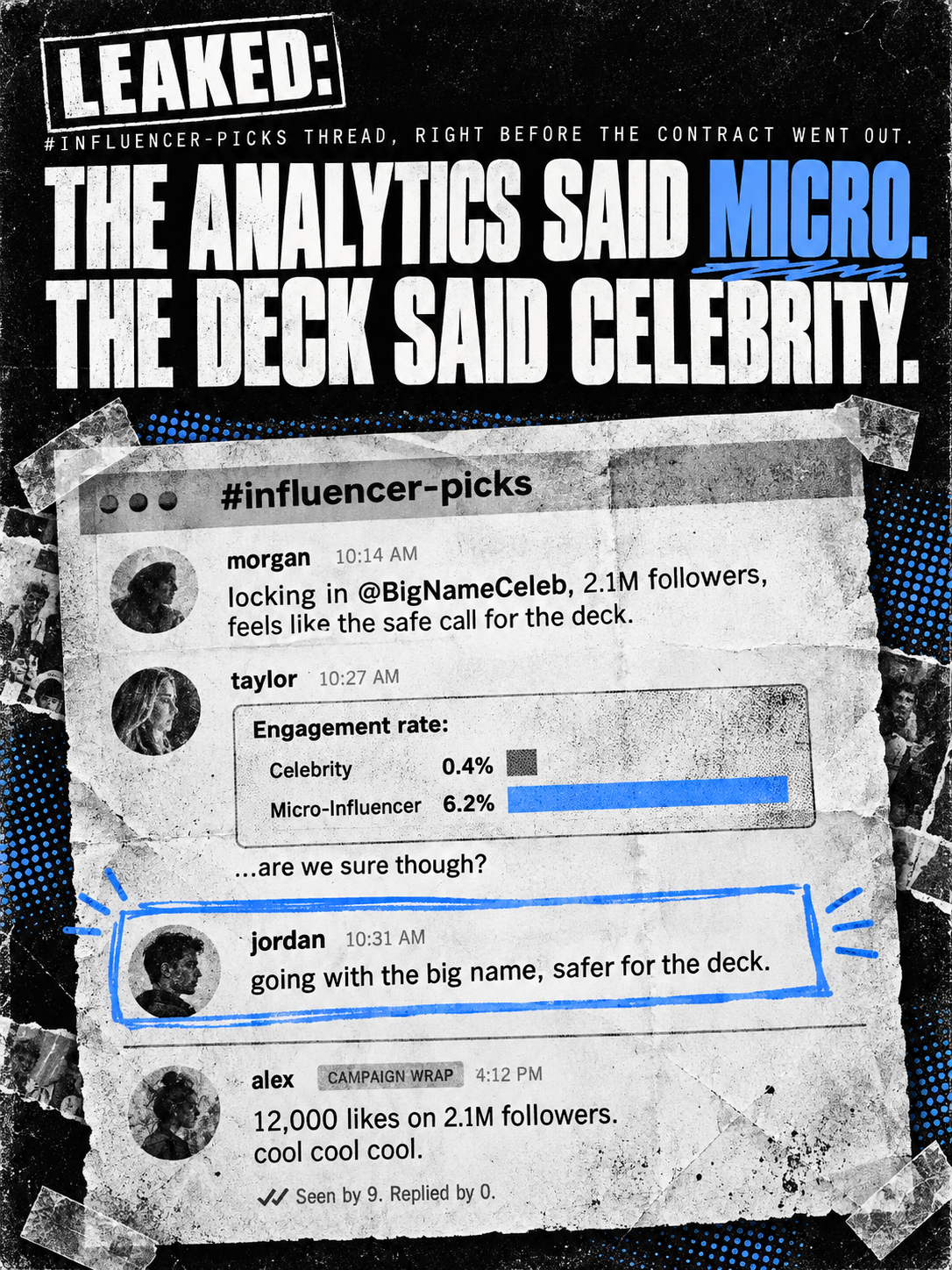
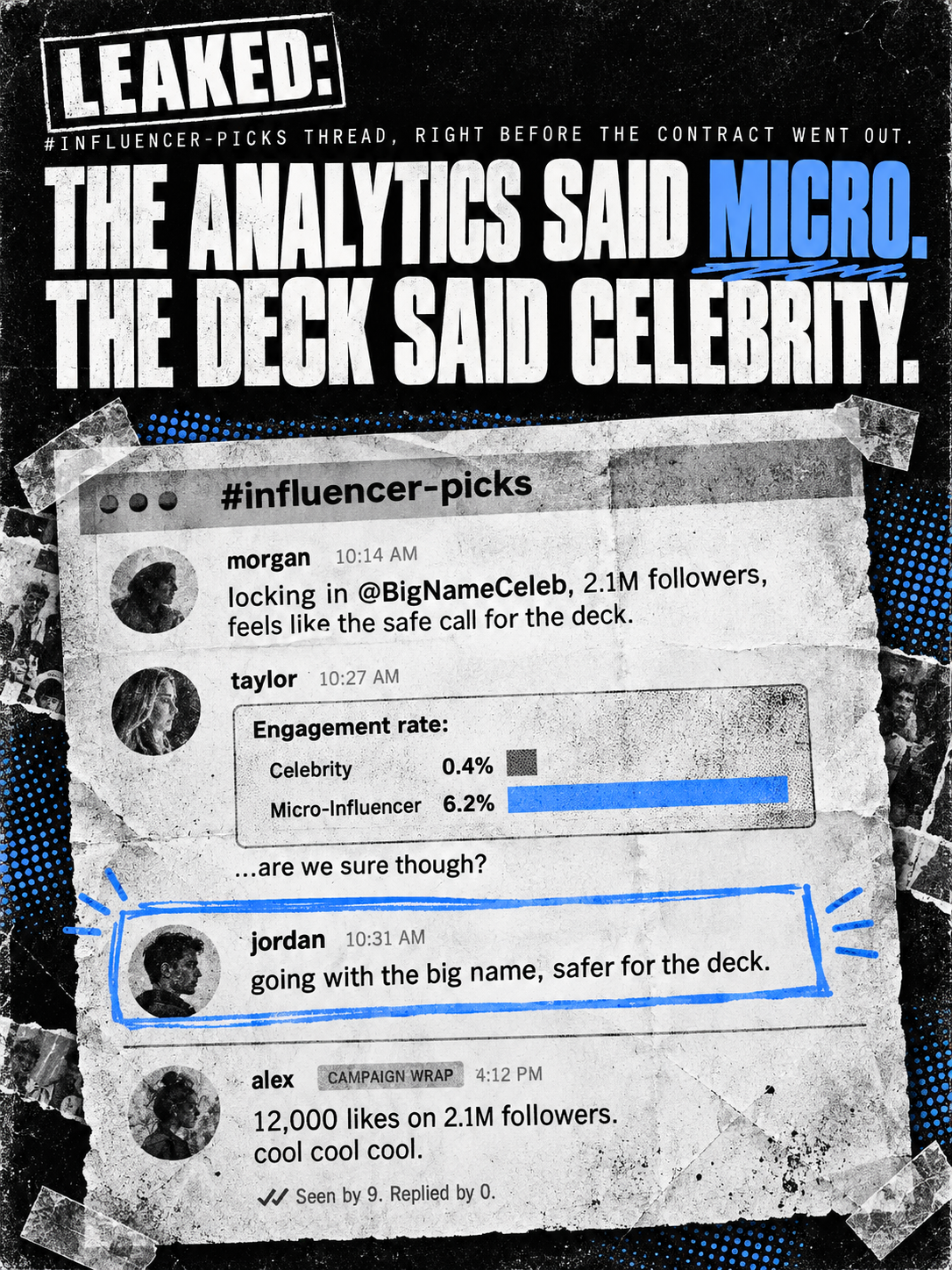
- Micro influencers are quietly outperforming celebrity endorsements on the metric that actually matters: engagement
- Audiences can smell a paid, disconnected endorsement from a mile away, and it tanks your brand credibility instead of building it
- A real influencer marketing strategy has goals, guidelines, and a feedback loop, not a vibe and a hope
- You have to actually measure this stuff. Engagement, reach, sentiment, conversions. All of it
.
Wait, you picked an influencer because they had the most followers? Be so serious right now. Influencer marketing is not a numbers game where the biggest wins automatically. This is basic. Genuinely basic. And somehow still a surprise to half the brands throwing budget at this.
Blending PR with influencer marketing isn't some trendy side quest, it's become a core part of how credibility actually gets built now, and the brands still treating it like a bonus line item are the ones wondering why their campaign flopped.
Wait, You Thought Any Influencer Marketing Would Work?
Here's the obvious part nobody wants to say out loud: an influencer's effectiveness depends entirely on the trust they've already built with their own audience, not the trust you're hoping to borrow. Did we think this through, or did someone just pick whoever had the prettiest feed?
The data backs this up, which is annoying for anyone still winging it. 72 percent of consumers trust influencer recommendations over traditional brand advertising, according to influencer marketing research from DigitalApplied, which means the trust is real, it's just borrowed, and it evaporates the second the fit feels forced.
Why Micro Influencers Are Quietly Beating Your Celebrity Budget
I'm actually embarrassed for whoever still thinks bigger is automatically better. Micro influencers consistently post higher engagement rates than their celebrity counterparts, and nano and micro creators average engagement rates several times higher than mega-influencers, according to the same DigitalApplied data. A smaller, genuinely engaged audience beats a massive, half-paying-attention one every single time.
This isn't a surprising twist. It's just math that most brands skip because a celebrity name feels safer in a pitch deck than micro influencers actually perform in a campaign.
This Is Why Your Brand Credibility Tanks When You Pick Wrong
Did we think this through, or did we just assume paying someone to say nice things would automatically work? 53 percent of consumers say they trust a product recommendation less once they learn the influencer was directly paid for it, according to PR statistics from Sprout Social. That's not a small risk to your brand credibility, that's half the audience quietly discounting the endorsement the second they clock it as transactional.
Alignment matters more than reach here. An influencer whose values and audience genuinely match the brand produces content that reads as real. One picked purely for numbers produces content that reads as exactly what it is, a transaction dressed up as an opinion.
If your own messaging still sounds like it was written by committee instead of a real voice, this breakdown of what a real PR pitch hook looks like covers the same authenticity problem from the pitch side.
How to Actually Build an Influencer Marketing Strategy (I'll Go Slow)
Step one. Define what you're actually trying to do. Crisis management, launching a product, building community, generating content, promoting an event, these are not interchangeable goals, and treating them like one generic "get an influencer" task is how campaigns underperform before they even start.
Step two. Give creators real guidelines, not a vague vibe check. Key messages, tone, brand boundaries, then let them add their own voice inside those boundaries. 64 percent of consumers say they're more likely to buy when a brand partners with an influencer they already follow and trust, according to influencer statistics from Salesgenie, and 80 percent are more likely to buy from brands that work with influencers beyond a single post. Translation: one-off transactions underperform actual relationships, so stop treating every partnership like a single-use coupon code.
Step three. Stay in contact, adjust as you go, and actually collect feedback afterward. A campaign that ends the second the content posts is a campaign nobody learned anything from.
How to Measure If Influencer Partnerships Are Actually Working
This is the part most brands skip entirely, then act shocked when they can't explain whether the spend did anything. Track engagement rate, reach and impressions, brand sentiment before and after, conversion rate, and the actual shift in brand reputation over time. Not vibes. Numbers.
Influencer partnerships that get measured this way tend to stick around, because someone can actually point to a result instead of a feeling. Tools exist for every single piece of this, discovery platforms to find the right fit, project tools to keep communication organized, and analytics tools to track whether any of it actually moved the needle. If you're running campaigns with no measurement plan attached, you're not doing PR, you're doing performance art with a budget.
For a broader gut check on whether any of your media efforts are translating into something real, this breakdown of protecting your reputation online covers the same measurement problem from the reputation side.
The Bottom Line on Influencer Marketing, Since Someone Had to Say It
Influencer marketing works when it's built on actual alignment, not follower count. Micro influencers often outperform the big names. Paid-and-disclosed endorsements without a real connection tank brand credibility instead of building it. And none of this works without someone actually measuring what happened afterward.
Don't Be A Little Pitch exists because most brands can spot a lazy influencer partnership in someone else's feed instantly and somehow still run one themselves. If that sounds familiar, that's usually the actual thing worth fixing.
FAQ
What is influencer marketing in PR?
Influencer marketing in PR refers to partnering with individuals who have established audience trust to help shape public perception of a brand, often alongside traditional media relations efforts.
Why do micro influencers outperform celebrity endorsements?
Micro influencers typically maintain smaller, more engaged audiences, which produces higher engagement rates and more genuine interaction compared to celebrity or mega-influencer accounts with broader but less connected followings.
How do you choose the right influencer for a brand?
Effective selection focuses on alignment between the influencer's values, content style, and audience with the brand's own identity and goals, rather than follower count alone.
Do influencer partnerships actually build brand trust?
Yes, when the influencer's values and audience genuinely align with the brand. Misaligned or purely transactional partnerships can actually reduce trust once audiences recognize the endorsement as paid and disconnected from genuine use.
How do you measure the success of an influencer marketing campaign?
Success is typically measured through engagement rates, reach and impressions, brand sentiment before and after the campaign, conversion rates, and longer-term shifts in brand reputation.


60-Day Performance Guarantee
PR only works if it builds momentum fast. If we do not secure 2 meaningful earned media features and line up 3 additional opportunities within 60 days, you get a full refund.

Free Authority Score Checker
Check your online reputation and authority score for free and see how you stack up and get custom tips to improve instantly.




.png)