How to Pitch Journalists and Actually Get a Response

TLDR:
- 49% of journalists never respond to pitches. They are not busy. Your pitch is the problem.
- You sent it to the wrong journalist. Three in four pitches land outside the beat. That includes yours.
- "Innovative solution" is not a news hook. "Why this story, why now" is. Those are not the same thing.
- Personalization is not a first name in a template. It is reading their work before you write the email.
- One follow-up with something new. Not two follow-ups with nothing. One.
- Journalists return to sources who are relevant over time. Not sources who pitch the most.
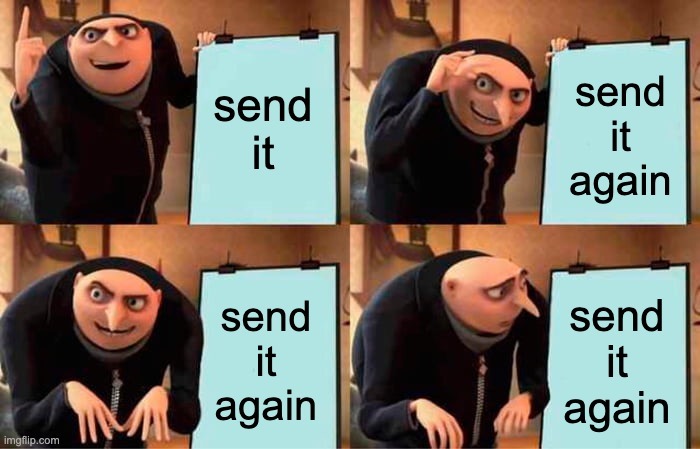
Most brands think they're pitching journalists. What they're actually doing is emailing strangers about themselves and waiting to be thanked for it. The pitch lands in an inbox already full of the same energy, urgent subject lines, vague value props, a "let me know if you have questions" sign-off that nobody answers. And then the follow-up. Then the follow-up to the follow-up.
49% of journalists seldom or never respond to pitches. That number hasn't moved. The research on how to pitch journalists more effectively has been available for years. The pitches haven't changed. It's giving groundhog day but makes it a PR disaster.
It's 2026. The data is old. The excuses are older. Here's what's actually going on and why your media pitch keeps getting archived before the journalist finishes the subject line.
Why Journalists Don't Respond to Pitches
Let's not bury the lead. The most consistent finding across every major journalist survey in 2026 Muck Rack, Cision, PR News Online is not about your subject line or whether you sent on a Tuesday. It's about targeting. Or more accurately, the complete absence of it.
Cision's 2026 State of the Media report, pulling from thousands of journalists across global markets, confirms what its predecessors have been saying for years: 77% of journalists flagged irrelevant pitches as the fastest way to earn a permanent spot on the blocked list. PR News Online data puts published story conversion at fewer than 8% of pitches even from top-tier PR agencies. Top-tier. The best ones. Less than 8%.
Three in four journalists say most pitches they receive don't match their beat. At all. Not even close. And this number has not improved across multiple reporting cycles, which means the industry absorbed the data, nodded politely, and kept doing the same thing.
If you want to understand exactly what happens on a journalist's end when your pitch hits their inbox, this breakdown of why journalists ghost pitches is required reading before your next send.
Volume-based spray-and-pray pitch strategies in 2026 are not a bold move. They are a cry for help.
What Journalists Actually Want From a PR Pitch
Here is what moves the needle on PR pitch response rates in 2026: relevance to what the journalist is covering right now, and a reason the story exists today specifically. Not vaguely. Not "it's a great time to talk about innovation." An actual, verifiable, connected-to-reality reason.
Journalists operate on editorial cycles and news calendars. They are not sitting around waiting for your brand to give them something to do. A pitch without a news hook is not a pitch. It is an unsolicited opinion about your own relevance. The story needs a reason to exist at this moment in this journalist's coverage not in the general concept of journalism.
Not sure if your pitch actually has a hook or just thinks it does? Here's what a real PR pitch hook looks like and what most brands are sending instead.
Inside the pitch itself, clarity beats cleverness every single time. Journalists on deadline have described receiving a pitch with vague details, no quotable source, and no data as functionally identical to receiving nothing. You made them open the email for no reason. That is a worse outcome than being ignored.
And this is very 2026 of us to have to say if your pitch was AI-assisted and it contains the words "revolutionary," "innovative," or "game-changing," journalists are deleting these on sight. The language signals that nobody thought about this journalist specifically. Which, in most cases, they didn't.
How to Write a Media Pitch That Gets a Response
83% of journalists say they want personalized pitches, according to Muck Rack's 2026 data. Personalized pitches generate 24% higher response rates than mass sends. This is not breaking news. It has been sitting in the same industry reports for years being read by the same PR teams who go right back to their CRM and blast 400 contacts with the exact same email.
Personalization does not mean "Hi [First Name]." That is a mail merge. That is you doing the bare minimum and calling it strategy. Actual personalization the kind journalists describe as worth responding to means you read their recent work, you know what they've been covering, and you can explain in specific terms why your story extends a conversation they're already in.
If you cannot do that for a journalist, you should not be pitching that journalist. This is not a hot take. This is the research. It has been the research. It will continue to be the research until the industry decides to act on it which, based on current response rate data, has not happened yet.
Pitch Mistake
Wrong beat. No hook. Three follow-ups in five days. Generic language that could have been sent about any product to any journalist at any point in the last decade. These are not new mistakes. They are legacy mistakes with a 2026 timestamp on them.
The follow-up situation specifically needs addressing because people are still getting this spectacularly wrong. One follow-up. One. Sent with something new a data point, a different angle, a reason for the journalist to reconsider. That is not annoying. That is professional. What is annoying is following up three times with a slightly reworded version of the original pitch and acting surprised when nothing develops.
One follow-up with new information is a strategy. Two follow-ups with nothing is a personality trait. Know the difference.
How to Get Media Coverage for Your Brand
The PR sources journalists actually return to in 2026 share the same characteristics. They pitch within their real areas of relevance. They follow up once with something useful. They stay visible across multiple news cycles whether or not a story runs. They are not louder. They are more relevant, more consistently.
Trust in media relations is not a vibe. It is a track record built over time through pitches that were worth the journalist's attention. Outlets return to the same sources not because those sources pitch more. They return because those sources have never wasted their time.
In 2026, the PR teams generating consistent earned media are not the ones with the biggest contact lists. They are the ones who understood years ago that how you pitch journalists is a relationship question, not a volume question. The gap between those two approaches is exactly where response rates live.
Don't Be A Little Pitch exists because most brands need help getting there and the only question worth asking before your next media pitch goes out is whether what you already have is actually
Frequently Asked Questions
How many pitches do journalists receive per day?
According to Muck Rack's 2024 State of Journalism study, 46% of journalists receive six or more pitches every workday. Of those, 49% seldom or never respond to any of them. So yes, your pitch is one of many. Act like it.
What is the average response rate for PR pitches?
Fewer than 8% of pitches from top-tier PR agencies result in published stories. The broader industry number is worse. Personalized pitches outperform mass sends by around 24%. That gap is entirely self-inflicted.
What should a media pitch include?
A news hook. A specific connection to the journalist's recent coverage. A quotable source. Supporting data. If any of those four things are missing, you do not have a pitch. You have a rough draft that got sent by accident.
Should you follow up on a pitch if you don't hear back?
Once. With something new. That's it. A second follow-up that says "just circling back" is not a strategy. It is a red flag with a send button on it.
How long should a PR pitch be?
Short enough that a journalist on deadline can assess whether a story exists before they lose interest. The news hook and relevance should be obvious in the first few sentences. If you're still setting context in paragraph three, you've already lost them.
What is the best day and time to send a press pitch?
A perfectly timed pitch sent to the wrong journalist is still the wrong pitch. Stop optimizing send times and start optimizing who you're sending to and why. Relevance beats Tuesday morning every time.
Can you recover a media relationship after bad pitching?
Sometimes. Cision's data says irrelevant pitching at volume is the fastest way to get permanently blocked. Recovery, where it happens, requires silence and then one genuinely relevant pitch not an explanation, not an apology. The smarter move is to not need the recovery arc in the first place.


60-Day Performance Guarantee
PR only works if it builds momentum fast. If we do not secure 2 meaningful earned media features and line up 3 additional opportunities within 60 days, you get a full refund.

Free Authority Score Checker
Check your online reputation and authority score for free and see how you stack up and get custom tips to improve instantly.




.png)