Earned Media Is Doing More for Your Brand Than Your Actual Ad Budget

TLDR:
- Not all press counts as good earned media, and the outlet you pick says as much about your brand as your actual message does
- PR strategy isn't just about crafting the perfect message, it's about knowing exactly where to put it
- Media outlets carry their own baggage, and mismatching one to your story can undercut everything
- Media pitching built around relevance beats mass-blasting every single time, no exceptions
- Airbnb got this right. Pepsi and BP did not. The difference is entirely about channel, not just message
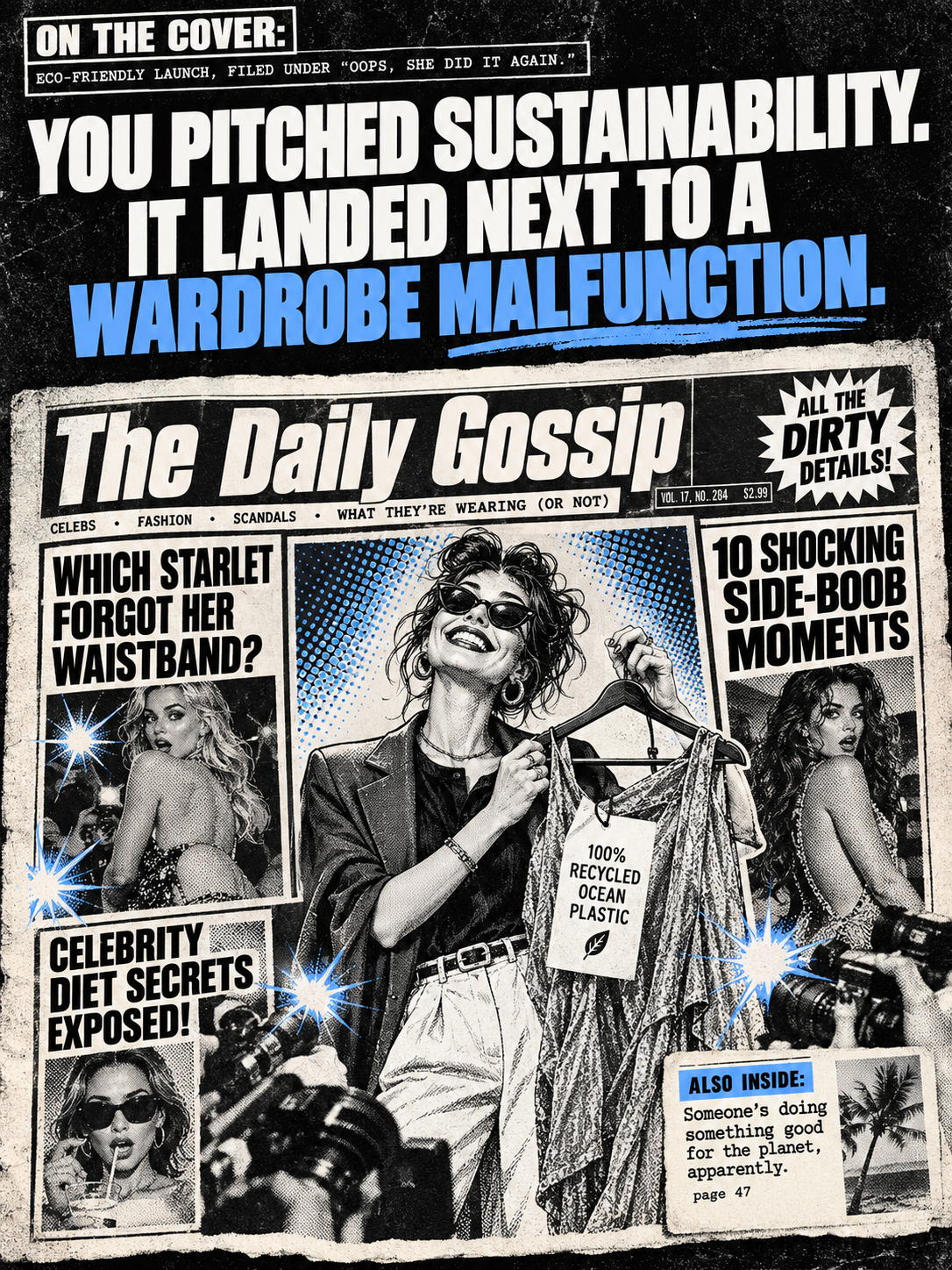
I used to sit in meetings like this. Someone spends weeks agonizing over the perfect PR message, polishing it until it sparkles, and then, at the very last second, someone else picks the outlet to run it in like they're throwing darts blindfolded. Nobody questions it. Nobody asks why. The message got all the attention. The earned media it actually landed turned out to matter a lot less than where it landed.
This triggered something in me, honestly, because the medium genuinely is the message, and marketing studies figured that out decades before any of us were choosing between a tabloid and an actual trade publication. Where you say something carries just as much weight as what you're saying, and most brands still treat that part as an afterthought.
Earned Media Only Works If You Pick the Right Outlet First
Announcing a sustainable fashion line in a tabloid known for celebrity wardrobe malfunctions sends a wildly different message than launching it in an actual eco-conscious publication. Same product. Same message. Completely different read, because the media outlets carrying it come with their own baggage whether anyone accounted for that or not.
Trust and credibility live inside this decision too. A tech startup dropping a big announcement on a respected industry outlet tells the world it's legitimate. The same news on a random blog nobody's heard of? Eh. Not so much. 88 percent of journalists say they immediately delete pitches that don't match their coverage area, according to State of Journalism 2026 research from Piercom, which means the wrong target isn't just a weak choice, it's an instant, silent rejection before anyone even reads what you wrote.
Why Earned Media Builds More Trust Than Paid Placements Ever Will
Real earned media comes with a built-in trust factor that a paid placement simply cannot fake. When a story shows up in a respected publication because a journalist actually decided it mattered, that carries the weight of genuine third-party validation, not a sponsored tag quietly sitting in the corner.
A feature covering a business's innovative approach in a real, credible outlet does more for that brand than a self-published press release ever could, because readers can tell the difference between something a brand said about itself and something an independent source chose to say about it.
The Good, the Bad, and the Ugly: What Happens When Media Outlets Go Wrong
Let's talk examples, because nothing teaches a lesson like watching someone else learn it the hard way.
The good: when Airbnb rebranded, they targeted design and tech-focused outlets to explain the thinking behind the new logo and vision. The coverage highlighted their design thinking and reinforced them as an innovative industry leader, because the outlets matched exactly who needed to hear that story.
The bad: Pepsi's attempt to address social justice through an ad featuring a celebrity backfired badly, partly because the company never strategically used credible outlets to frame the narrative first. The ad got dissected and criticized with zero context to soften the landing, and major outlets only amplified the backlash once it started.
The ugly: during a major environmental crisis, one oil company issued updates purely through press releases and failed to use trusted outlets to actually share their response plan. Coverage from major, credible sources emphasized the damage and corporate missteps instead, and the company never got the chance to control its own narrative.
How to Build a PR Strategy That Actually Picks the Right Channel
A real PR strategy starts with knowing your audience, not guessing at it. Where do they actually spend their time? What do they consume? If you don't know, ask them, because surveys, social listening, and basic analytics exist for exactly this reason.
From there, understand the medium's actual context. Not every publication in the same category is equal, two outlets covering the same industry can have completely different readerships, tones, and editorial appetites. Test and measure before betting everything on one channel, using real data instead of a gut feeling, however confident that gut feeling seems in the moment.
And finally, ask the hard questions before committing. Does this outlet align with the brand? What does it signal about the brand? Will the audience actually trust it? Can it amplify the message instead of diluting it? If the answer to any of those is a vague maybe, that's not a green light, that's a sign to pivot. This is genuinely where most PR strategy work quietly falls apart, not in the writing, in the targeting.
If you want to check whether your past placements actually did any of this work, this breakdown of how to know if your PR efforts are working is worth reading before the next campaign locks in its channel list.
What Real Media Pitching Actually Looks Like
Generic pitches sent everywhere don't cut it anymore, and honestly, they probably never really did. 77 percent of PR professionals say relevancy and personalization are the most important factors in whether a pitch actually succeeds, according to PR statistics from Avaans Media. Real media pitching tailors outreach to a publication's specific angle, which doesn't just increase the odds of coverage, it makes sure the story lands where it actually matters instead of getting buried in an inbox that never wanted it in the first place.
Good media pitching also means not sleeping on local media. A startup in a mid-sized city might get more real traction from a respected regional outlet than a random national mention that reaches an audience with zero connection to the brand. Local coverage builds community trust in a way a big logo never quite manages to replicate.
If your pitches still aren't landing anywhere close to the right outlets, this breakdown of what a real PR pitch hook looks like covers the actual mechanics worth fixing first.
The Bottom Line on Earned Media, Since Someone Had to Say It
In PR, the medium genuinely is the message. Where you say something carries just as much weight as what you're actually saying, and chasing earned media without a real PR strategy behind the channel choice is how a perfectly good story ends up in the wrong hands, or worse, no hands at all.
Don't Be A Little Pitch exists because most brands can spot a mismatched placement in someone else's campaign and somehow still make the same call themselves. If that sounds familiar, that's usually the actual thing worth fixing before the next pitch goes out.
FAQ
What is earned media and why does it matter?
Earned media is coverage a brand receives because a journalist or publication independently chose to feature it, rather than through a paid placement. It carries more credibility because audiences recognize it as third-party validation.
How do I choose the right media outlet for my brand?
Start by identifying where your target audience actually consumes content, then evaluate whether a given outlet's tone, credibility, and readership align with your brand's message before pitching.
What does good media pitching actually look like?
Effective media pitching means tailoring outreach to a specific journalist or publication's coverage area and audience, rather than sending the same generic pitch to a broad list of contacts.
Why is earned media more valuable than paid media?
Earned media carries independent, third-party credibility because a journalist chose to cover the story on its merits, which tends to build more audience trust than a sponsored or paid placement.
What happens if a brand picks the wrong media outlet?
A mismatched outlet can undercut an otherwise strong message, either by reaching the wrong audience entirely or by framing the story in a tone that doesn't match the brand's intent.
60-Day Performance Guarantee
PR only works if it builds momentum fast. If we do not secure 2 meaningful earned media features and line up 3 additional opportunities within 60 days, you get a full refund.

Free Authority Score Checker
Check your online reputation and authority score for free and see how you stack up and get custom tips to improve instantly.




.png)