Pop Culture PR Is Not a Personality Trait (And Your Brand Is Proving It)

TLDR
- Your brand spotted a viral moment and felt the need to insert itself into the conversation. That choice has a paper trail.
- Pop culture PR is a discipline, not a gut reaction. Brands treating it like a reflex are filling journalist inboxes with noise and calling it strategy.
- Journalists respond to about 60% of pitches within the first four hours. After day three, you have a 12% shot. The workshopping habit is not helping.
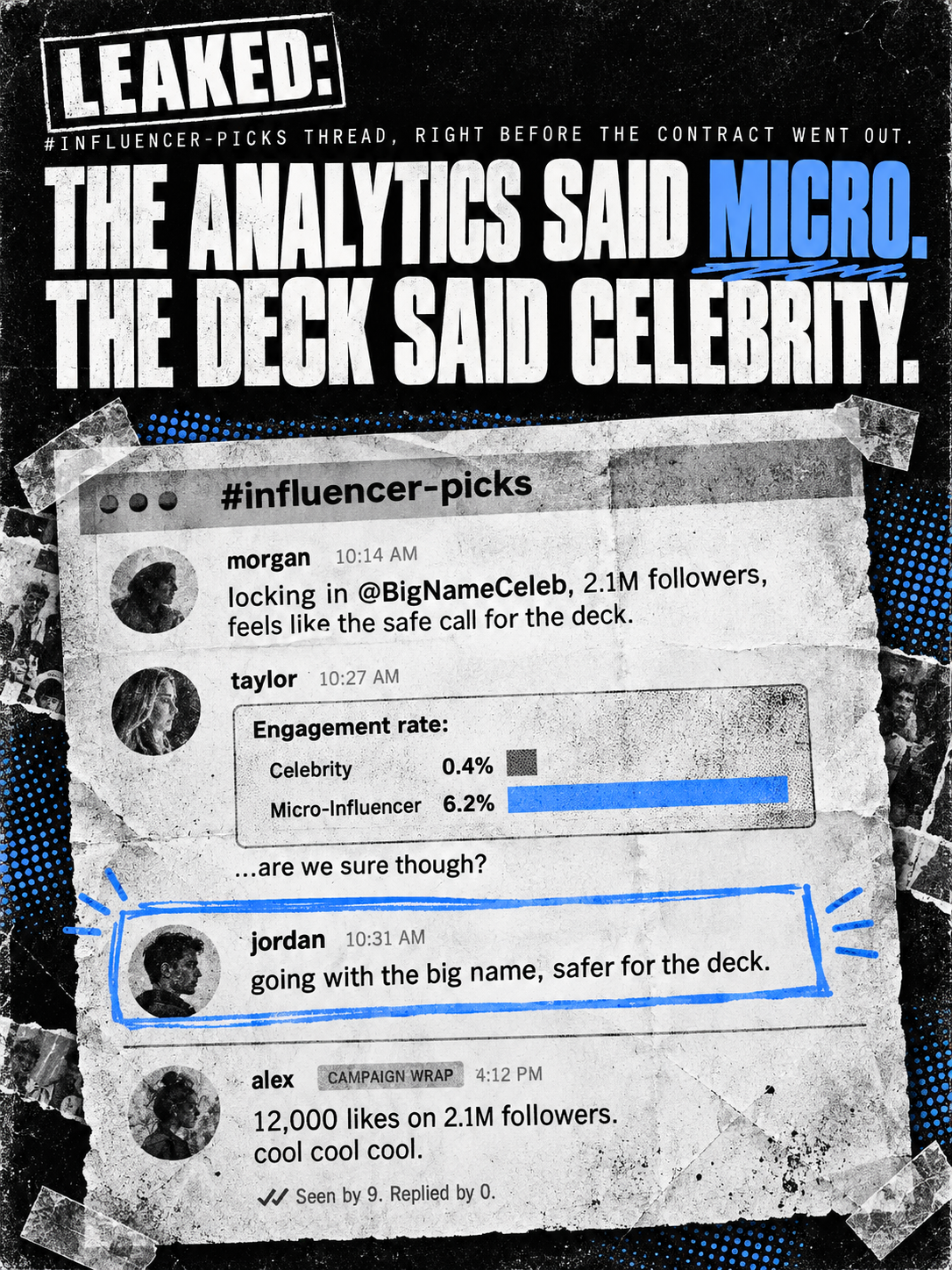
- One in three consumers finds brands jumping on viral trends embarrassing. The general public is keeping score with data.
- There is a four-question test for whether your brand belongs in a cultural conversation. Most brands skip it entirely and then wonder why the pitch went nowhere.

Oh good. Another brand just discovered pop culture exists and immediately decided it needed to weigh in.
Be so serious right now.
Pop culture PR is one of those things that sounds deceptively easy, which is impressive because on paper it is just "connect your brand to things people already care about." And yet. Brands are out here attaching themselves to cultural reckonings and TV finales like they have earned a seat in the conversation. They have not. Journalists know it. Consumers know it. The only person who has not caught on is whoever approved that pitch.
This is the part where someone who has actually thought about this explains the difference between using culture strategically and embarrassing yourself in a press release.
The Actual Reason Your Pop Culture PR Pitch Got Ignored
Journalists assign coverage based on three things: timeliness, relevance, and audience fit. A pitch anchored in a real cultural moment checks all three before the editor even opens the email. A generic "our brand has thoughts on this trending topic" pitch checks none of them.
Cultural moments carry built-in audience interest. When a brand adds genuine perspective, the story travels further and lands faster. When a brand just adds its logo because someone on the team saw it trending, the pitch gets filed under no.
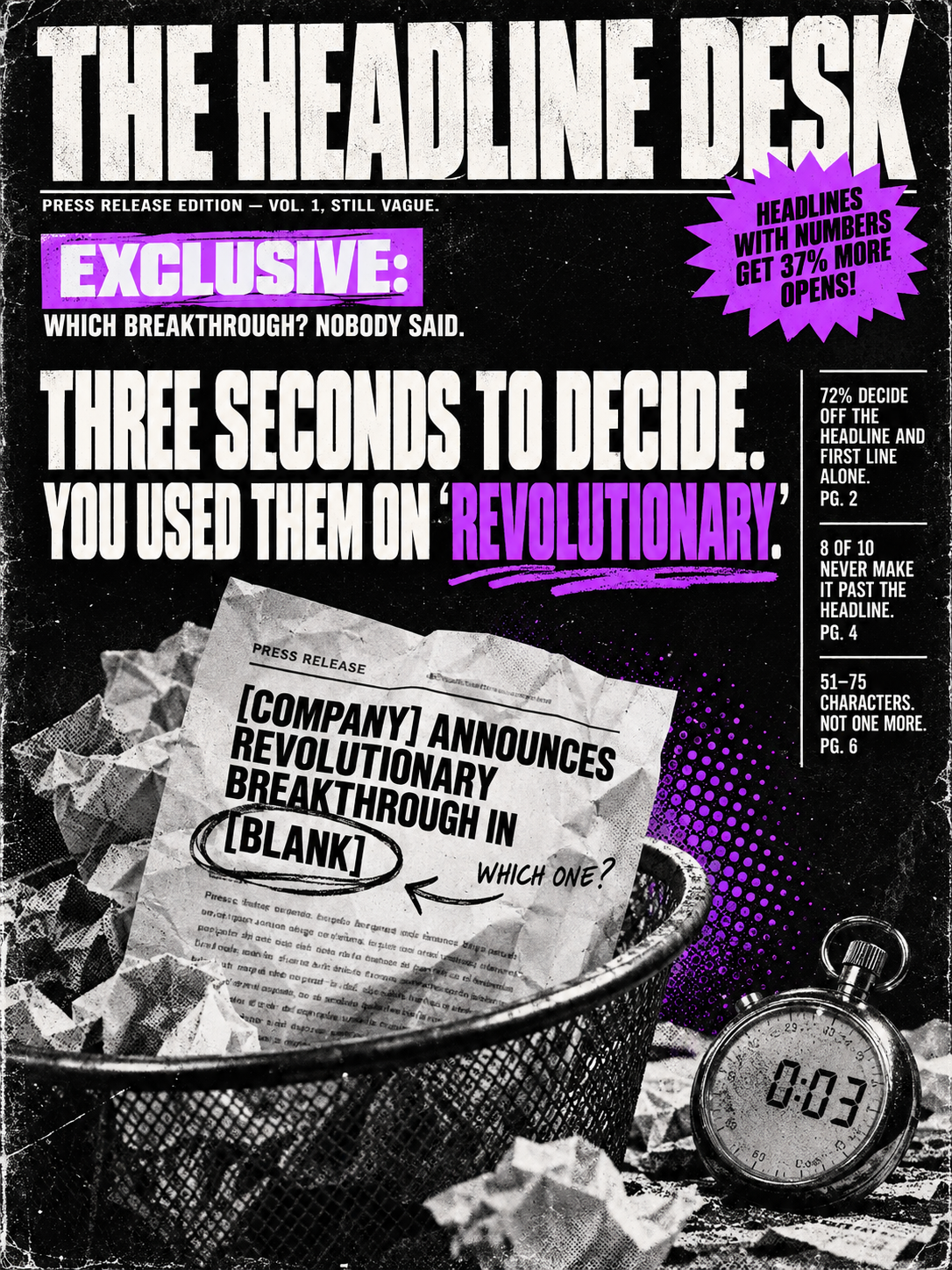
The timing is also brutal. According to pitch data from an analysis of over 400,000 pitches and 4,000 reporters, journalists respond to nearly 60% of pitches within the first four hours if they are going to respond at all. After day three, that response rate drops below 12%. The window is short.
The bar is high. Showing up with a forced cultural angle does not help you clear either. If you want to understand how to newsjack without being cringe, the timing piece is where most brands fall apart first.
What Pop Culture PR Actually Looks Like When It Works
Culture is the context that makes a brand story land. Not the story itself. This distinction is so basic that it is genuinely mortifying it needs to be typed out loud.
The brands that do pop culture PR well are the ones with a clear, consistent narrative that cultural moments amplify rather than replace. They are not chasing. They are selecting. The difference is not subtle.
Before any cultural moment enters your earned media calendar, run it through four questions.
- Does your brand have a specific, demonstrable connection to this moment?
- Can you offer a perspective journalists cannot get more credibly from someone with an actual stake in it?
- Is your timing early enough to read as informed rather than reactive?
- Will this connection hold up in three months?
If any answer is no, that is your answer. The pitch does not go out.
Journalists respond to about 60% of pitches within the first four hours. After day three, you have a 12% shot.
The Brands That Are Making Pop Culture PR Harder for Everyone
A third of consumers say brands jumping on viral trends is embarrassing, according to a 2025 Sprout Social study. Not ineffective. Embarrassing. The research picked that word deliberately and so should you.
Trend-chasing does not just fail to earn coverage. It erodes the credibility that earns coverage. The 2025 Edelman Trust Barometer found that 73% of consumers say their trust in a brand increases when it authentically reflects culture. Authentically. Not opportunistically. Not because someone needed a PR win that week.
Forced cultural commentary is a credibility withdrawal, not a visibility play. The journalist whose inbox you just cluttered with a bad cultural pitch remembers. Their filters get sharper. Your next pitch, the one that might actually have something real to say, starts in a hole you dug yourself.
Brand Relevance in Media Is Earned, Not Announced
Brand relevance in media does not come from being present for every trending conversation. It comes from being trusted by the people assigning coverage. That trust gets built when editors learn that when you show up, you have something worth running.
Consistency is the mechanism. Two or three well-executed cultural pitches per year, anchored in real specificity and genuine brand perspective, will outperform fifty reactive ones. The math is not flattering for the reactive approach but it is the math.
Newsjacking strategy only works when the brand doing it has something real to contribute. A perspective. A data point. A genuine product or mission connection that makes the journalist's story sharper rather than just longer. Without that, it is not a strategy. It is noise dressed up as relevance.
And this part really should not need to be said: 92% of consumers trust earned media over paid advertising. Every time a brand torches a journalist relationship with a bad cultural pitch, they are burning the one channel that moves trust at a scale paid ads cannot match.
That is not a PR problem. That is a business decision with consequences.
So What Do You Actually Pop Culture PR
Pop culture PR is not a shortcut to relevance. It is a discipline that rewards brands who treat it like one and punishes the rest in front of the exact journalists they are trying to impress.
If your brand has a real connection to a cultural moment, a specific angle, a perspective that adds something genuine, then earned media pitching through cultural strategy is one of the sharpest tools in your press calendar. If it does not have that, silence is the correct answer. Not the easy answer. The correct one.
𝘋𝘰𝘯'𝘵 𝘉𝘦 𝘈 𝘓𝘪𝘵𝘵𝘭𝘦 𝘗𝘪𝘵𝘤𝘩 𝘸𝘰𝘳𝘬𝘴 𝘸𝘪𝘵𝘩 𝘣𝘳𝘢𝘯𝘥𝘴 𝘵𝘰 𝘣𝘶𝘪𝘭𝘥 𝘵𝘩𝘦 𝘬𝘪𝘯𝘥 𝘰𝘧 𝘱𝘰𝘱 𝘤𝘶𝘭𝘵𝘶𝘳𝘦 𝘗𝘙 𝘢𝘱𝘱𝘳𝘰𝘢𝘤𝘩 𝘵𝘩𝘢𝘵 𝘪𝘴 𝘢𝘤𝘵𝘶𝘢𝘭𝘭𝘺 𝘸𝘰𝘳𝘵𝘩 𝘳𝘶𝘯𝘯𝘪𝘯𝘨. 𝘚𝘵𝘢𝘳𝘵 𝘸𝘪𝘵𝘩 𝘵𝘶𝘳𝘯𝘪𝘯𝘨 𝘺𝘰𝘶𝘳 𝘣𝘳𝘢𝘯𝘥 𝘪𝘯𝘵𝘰 𝘮𝘦𝘥𝘪𝘢 𝘤𝘢𝘵𝘯𝘪𝘱 𝘢𝘯𝘥 𝘣𝘶𝘪𝘭𝘥 𝘧𝘳𝘰𝘮 𝘵𝘩𝘦𝘳𝘦.
FAQ
What is pop culture PR and why do brands keep getting it wrong?
Pop culture PR is the practice of connecting brand storytelling to shared cultural moments to earn timely media coverage. Brands get it wrong because they treat proximity to a trend as a substitute for relevance. Being near something trending is not the same as having something worth saying about it. Journalists see through this immediately and respond by not responding.
How do I know if my brand actually has a connection worth pitching?
Run four questions. Is there a specific, demonstrable connection? Can you add a perspective no one more credible can offer? Are you early enough to read as informed rather than reactive? Will the connection hold in three months? If any answer is no, the pitch does not go out. This is not overthinking. This is the minimum.
What is the difference between newsjacking strategy and trend-chasing?
Newsjacking strategy is the deliberate practice of connecting earned media pitches to cultural or news moments with genuine brand relevance and correct timing. Trend-chasing is doing that but without the genuine relevance. One builds journalist trust. The other burns it. They look similar from the outside, which is exactly why so many brands accidentally do the second one while thinking they are doing the first.
How fast do I actually need to pitch for newsjacking to work?
Fast. Journalists respond to nearly 60% of pitches within the first four hours. After day three that drops below 12%. If you are still workshopping the pitch on day four, the moment has passed. File it for reference and move on.
Does earned media actually outperform paid advertising for brand trust?
92% of consumers trust earned media over paid advertising. This is not a PR department argument for a bigger budget. It is the reason every burned journalist relationship costs more than just a placement. You are not losing a feature. You are losing the channel that builds trust at a scale paid ads cannot replicate.

60-Day Performance Guarantee
PR only works if it builds momentum fast. If we do not secure 2 meaningful earned media features and line up 3 additional opportunities within 60 days, you get a full refund.

Free Authority Score Checker
Check your online reputation and authority score for free and see how you stack up and get custom tips to improve instantly.




.png)